
Disclaimer: This article is for general informational purposes only and is not a substitute for professional plumbing diagnosis or repair. Drain and sewer backups can involve sanitation hazards and may cause property damage if handled improperly. If you notice sewage odors, repeated backups, or are unsure how to proceed safely, stop DIY attempts and contact a licensed plumber.
Your shower drain backing up creates a disgusting pool around your feet during showers? You’re not alone. Industry statistics show most emergency plumbing calls stem from drainage issues. Clogged showers make up much of these problems.
Standing water in your shower might signal something more serious than you think. Hair and soap scum commonly cause clogs, but deeper problems need attention too. Sewer line clogs cause about 20% of all shower backup cases. People rarely think about their sewage system until something goes wrong.
Let’s explore why your shower drain keeps backing up—from simple blockages to serious sewer line problems. You’ll learn the warning signs and steps to take before calling a professional. Knowledge of these issues today could prevent a messy disaster tomorrow.
What’s Really Causing Your Shower Drain to Back Up
Nobody likes standing in ankle-deep water during their morning shower. This unpleasant experience usually comes from a few common problems. You can figure out if you need a professional or can fix it yourself by knowing what’s causing your shower drain problems.
Hair and soap scum buildup
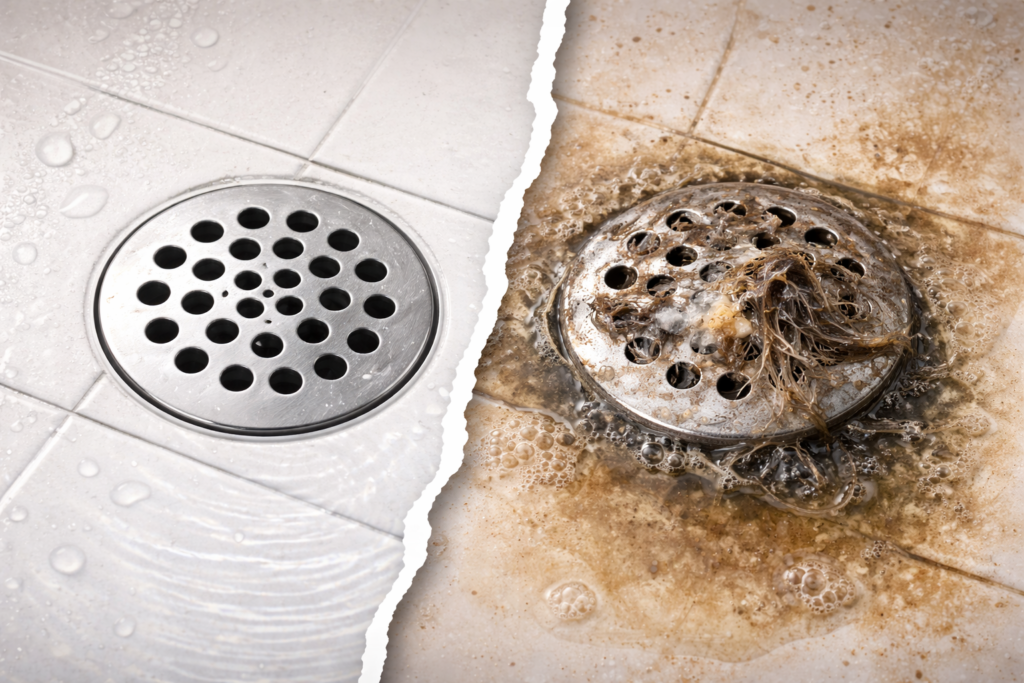
Hair and soap scum create the most common shower drain clogs. Hair falls out naturally while you shower and gets stuck in the drain. It creates a net-like structure that traps other debris. The soap residue sticks to this hair net and forms a tough, cement-like plug that water can’t pass through easily.
Homes with several people who have long hair face this problem more often. These hair-soap blockages get harder to remove as they harden and pack deeper into your plumbing system.
Pro tip: You might want to think about putting in a shower drain hair catcher to stop this from happening. These cheap devices catch hair before it goes down your drain, and you can clean them out quickly.
Bath products and oily residue
Your shower products might be quietly causing drainage problems, beyond just hair. Many bath items contain oils, fats, and petroleum-based ingredients that won’t dissolve in water. Your shampoos, conditioners, body washes, and shaving creams leave behind a slick residue that builds up on your pipe’s walls.
Bath bombs, bubble baths, and bath oils create an especially tough situation. These products usually contain:
- Oils that solidify at room temperature
- Butters that harden in your pipes
- Glitter and other non-biodegradable materials
This oily buildup attracts and holds other debris, which creates a snowball effect that blocks pipes completely. Hard water minerals make things worse by reacting with oils to form soap scum that’s really tough to clean.
Foreign objects stuck in the drain
Many shower backups happen because of items that shouldn’t be in your drain at all. Kids’ toys, bottle caps, jewelry, and small washcloths can end up in your plumbing system.
These items rarely get past the trap (the U-shaped pipe under your drain). They create a perfect spot for other debris to collect. Razor caps, small pieces of soap, and too much dental floss can block your drain in time.
Solid objects mixed with hair and soap scum create an almost solid barrier. Unlike organic materials that might break down with drain cleaners, you’ll need to physically remove solid objects.
Knowing these common problems helps you prevent them. You can dissolve minor buildup before it becomes serious by cleaning regularly with natural solutions like baking soda and vinegar. In spite of that, if your drain keeps backing up, you might have a deeper issue that needs a qualified plumber’s help.
When the Problem Goes Deeper Than the Drain
Standing water in your shower could signal deeper problems in your plumbing system. Multiple attempts to clear the drain might fail because the real culprit lies beyond what you can see.
Main sewer line clogs
Your shower drain backing up with other fixtures points to problems in your main sewer line. This essential pipe carries all wastewater from your home to the municipal sewer system or septic tank. A clogged or blocked line disrupts drainage throughout your house.
Warning signs of a main sewer line clog include:
- All but one of your drains back up at once
- Sewage or dirty water emerges from floor drains
- Water backs up randomly as you use fixtures elsewhere
- Toilets overflow while shower drains release sewage
These clogs develop slowly. You’ll notice sluggish drainage first, followed by complete backups. Professional help becomes necessary since the problem affects your entire plumbing system, not just one fixture.
Tree root infiltration
Tree roots silently invade and damage your plumbing system. They search for moisture and nutrients, making your water-filled sewer pipes perfect targets. Roots can squeeze through the tiniest crack or joint and thrive inside your pipes.
Root problems become especially challenging because they continue growing. The roots create dense webs that catch toilet paper, grease, and debris, which leads to major blockages. A root system grows up to one foot daily under ideal conditions. This growth can crack pipes or make them collapse under pressure.
Homes built before the 1970s often used clay pipes, which roots easily penetrate. Modern materials also struggle against determined root growth.
Collapsed or damaged pipes
Sewer pipes can deteriorate and collapse from years of use, corrosion, and external pressure. A collapsed pipe blocks wastewater flow completely. This forces water back through the lowest drains in your home – usually your shower drain.
Pipe collapse happens because of:
- Age and material breakdown
- Soil erosion beneath pipes
- Ground movement or shifting
- Heavy machinery or construction pressure
Note that collapsed pipes threaten more than drainage. Leaking sewage erodes soil under your foundation, which can create wall cracks and uneven floors.
Improper pipe slope or installation
Many drainage problems start with incorrect pipe installation, particularly after bathroom updates. Pipes need specific angles – too level means stagnant water, too steep leaves solids behind as water rushes past.
Bathroom remodels that move drains or add deeper tubs and larger showers change water flow patterns. Poor pipe angles cause immediate drainage issues. You might notice water pooling near shower drains, slow-draining sinks, and strange sounds after flushing toilets.
These problems hide behind walls or under floors. Your bathroom might look amazing but work worse than before the renovation.
Budget-friendly drain cleaners won’t fix these deeper issues. Our experienced technicians at Transit & Flow in Columbus, Ohio use specialized equipment to quickly spot and solve these problems. We’ll restore proper drainage throughout your home. Call us at (614) 333-8092 to schedule service today.
Other Hidden Reasons You Might Not Expect
Your shower drainage problems might have a hidden cause that standard drain cleaning won’t fix. The real culprits often hide in plain sight and create systemic problems for homeowners in Columbus.
Vent pipe blockages
Your plumbing needs more than just water pipes – it requires vent pipes to regulate air pressure in your drainage system. These essential pipes run through your roof and let air flow into the plumbing, which creates enough pressure to move water through drains.
Leaves, debris, or dead animals can block these vents and affect your entire plumbing system. You’ll notice these signs if your vent pipe is clogged:
- Bubbling or gurgling sounds from drains
- Slow drainage through multiple fixtures
- Sewage odors emerging from fixtures
- Empty or slowly refilling toilet tanks after flushing
“A clogged vent won’t let air through and into the pipes, so the water remains stagnant in the plumbing system”. The water won’t flow normally even through a clear drain line because negative pressure builds up without proper venting.
Mineral buildup from hard water
Hard water is a common issue in Columbus homes. It contains high levels of calcium, magnesium, and other minerals. These minerals settle inside pipes and create scale that makes them narrower gradually.
“If you are experiencing low flow or a water pressure issue in your home, this could be due to mineral buildup in your pipes”. Scale builds up quietly until you see standing water in your shower.
Showers face the biggest impact from these deposits. The minerals mix with soap to create stubborn buildup, which makes shower drains especially vulnerable. Your home likely has hard water affecting the drains if you see white stains on fixtures, spots on dishes, or feel skin irritation.
Drain plug or pop-up mechanism issues
The drain plug meant to prevent clogs can sometimes cause drainage problems. Built-in drain plugs or pop-up stoppers might malfunction due to internal component issues.
Component parts can corrode, collect debris, or wear out. “This type of plug isn’t pushed down by gravity alone. When the tub has water in it, the weight of all the water above it is pushing it down with considerable force”. Water backs up even through clear drains if parts become misaligned or the mechanism sticks.
Check if your stopper mechanism retracts fully. A simple adjustment or replacement often fixes persistent drainage issues.
Transit & Flow can help if these hidden causes still plague your shower drainage. Our Columbus plumbers at (614) 333-8092 will diagnose and fix these subtle issues before they damage your home extensively.
How to Spot the Warning Signs Early
You can save yourself from repairs that get pricey and disgusting backups by catching drainage issues early. These telltale warning signs will help you know exactly when to fix problems before they turn into plumbing emergencies.
Slow drainage over time
Drainage problems rarely appear suddenly at first. You’ll notice water takes longer to disappear after showering. Water pooling briefly around your feet before draining slowly typically shows a partial blockage forming deep within your pipes.
Many homeowners brush off this early warning sign as a minor nuisance. This slow draining gives you the first chance to fix the issue before it becomes a complete blockage.
Standing water in the shower
Standing water in your shower reveals problems that just need immediate attention. This stagnant water becomes the perfect breeding ground for mold, mildew, and bacteria. It can cause health issues and create unpleasant bathroom odors.
Your bathroom might attract pests like flies and cockroaches because of this standing water. The worst cases can lead to serious water damage or complete clogs that make your shower unusable.
Gurgling sounds or sewer smells
Strange noises from your drain deserve quick investigation. Bubbling or gurgling sounds happen when trapped air escapes through water in your pipes—this shows a blockage in your drain line or vent pipe. Bad smells suggest organic material is decomposing within your plumbing system.
Watch out for:
- Gurgling in the shower when flushing a toilet
- Bubbling noises when running water elsewhere
- Persistent sewage smells near drains
- Unusual drain noises during water usage
These signs often show up days or weeks before serious backups start.
Multiple fixtures backing up
The most worrying warning sign appears when drainage problems affect multiple fixtures at once. A system-wide issue exists if your toilet bubbles while using the sink or your shower backs up during laundry.
A single clogged drain might point to a local problem, but multiple slow or clogged drains almost always show an obstruction deeper in your drain line. Sewage might back up inside your house if you ignore these symptoms—a situation you definitely want to avoid.
Call Transit & Flow at (614) 333-8092 if you spot any of these warning signs in your Columbus home. Our experienced plumbers can diagnose and fix drainage issues quickly before they become plumbing disasters.
What You Can Do Before Calling a Plumber
Your shower drain is backing up? Try these DIY solutions before reaching for your phone. Quick action could save you money and the hassle of scheduling a professional.
Try a plunger or drain snake
A plunger can work magic on shower clogs. Place it firmly over the drain to create a seal and push down several times to clear blockages. You could also use a drain snake or straightened wire hanger to remove hair clogs. Just insert it, twist to catch the debris, and pull up carefully.
Use natural cleaners like baking soda and vinegar
Chemical cleaners can damage your pipes, but natural solutions work surprisingly well:
- Pour ½ cup baking soda down the drain
- Follow with ½ cup white vinegar
- Cover the drain to trap the fizzing reaction
- Wait 30 minutes
- Flush with hot (not boiling) water
This mix helps dissolve small hair and soap scum buildups without damaging your plumbing.
Inspect the drain cover and trap
Get a screwdriver or pliers to remove the drain cover and look for visible blockages. You can usually pull out hair clogs with your fingers or tweezers – just make sure to wear gloves. Give the cover a good cleaning before putting it back.
Know when to stop and call a professional
Call Transit & Flow at (614) 333-8092 if you notice these signs:
- Multiple drains backing up simultaneously
- Sewage odors that linger after cleaning attempts
- Clogs that keep coming back despite cleaning
- Water backing up in odd places when using fixtures elsewhere
Note that DIY fixes beyond these simple methods might make things worse.
Conclusion
A clogged shower drain might not seem like a big deal at first. But these blockages often signal more important plumbing problems lurking in your home. Quick action can protect you from costly repairs and nasty sewage backups down the road.
Hair and soap scum buildup cause most shower drainage problems. You can tackle these with simple tools like plungers, drain snakes, or natural cleaners. But ongoing issues point to deeper troubles in your plumbing system. Tree roots, collapsed pipes, vent blockages, or main sewer line clogs need expert help before they turn into major disasters.
Watch out for warning signs in your shower. Slow drainage, pooling water, strange gurgling noises, or multiple clogged fixtures tell you something’s wrong beyond what DIY fixes can handle.
You can try some simple drain cleaning methods yourself. Just know when a problem is too big to handle alone. DIY plumbing attempts can make things worse. Professional plumbers use specialized tools that find and fix complex drainage issues without damaging your home’s plumbing.
Nobody wants to stand in ankle-deep shower water. On top of that, it creates water damage, grows mold, and weakens your home’s structure over time. Install drain catchers, keep oils away from drains, and get regular maintenance checks to stay ahead of problems.
When your shower drain won’t clear despite your best efforts, Transit & Flow is ready to help. Call us at (614) 333-8092. Our Columbus plumbers deliver quick, reliable fixes to restore proper drainage and stop future backups. We provide upfront pricing, round-the-clock emergency service, and expert care your home needs.