
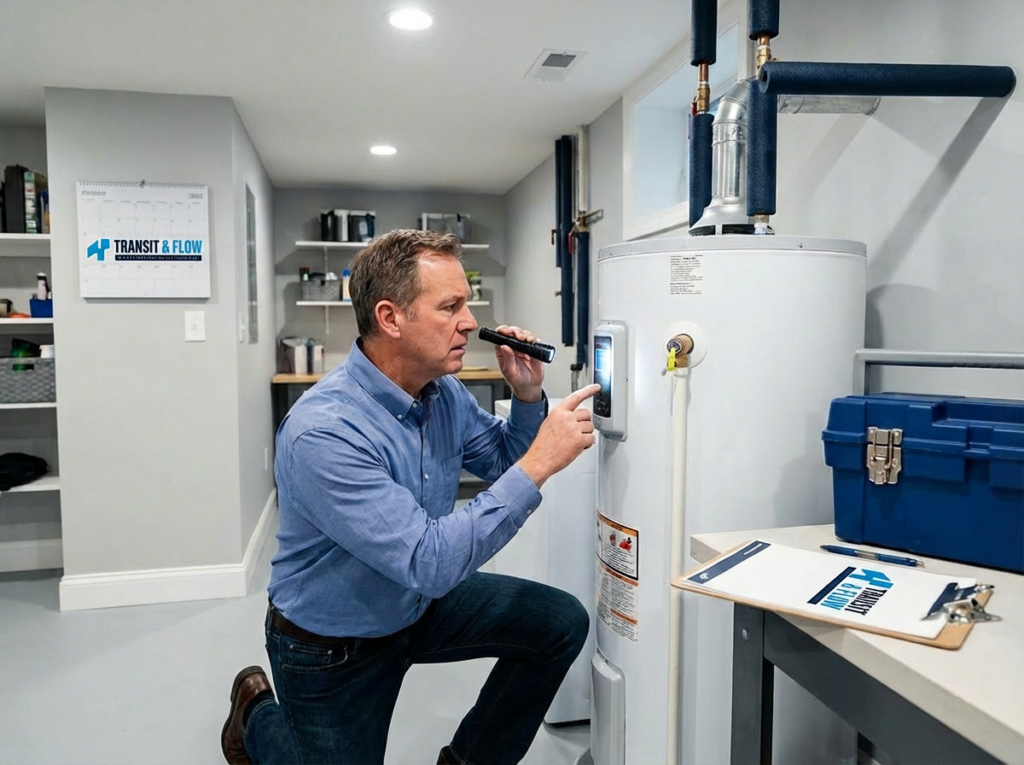
What To Do When Your Water Heater Stops Working: 5 Tips For Columbus Home and Business Owners
Your morning shower turns ice cold. The dishwasher will not heat. You check the basement and realize your water heater stopped working. This is not just an inconvenience. It can disrupt your entire day and cost you money if you wait too long to fix it. Whether you own a home or run a business in Columbus, a broken water heater demands fast action. So what exactly causes water heaters to fail, what warning signs should homeowners watch out for, and exactly what steps should you be taking when your hot water disappears? Let’s dive into it!
Why Water Heaters Stop Working
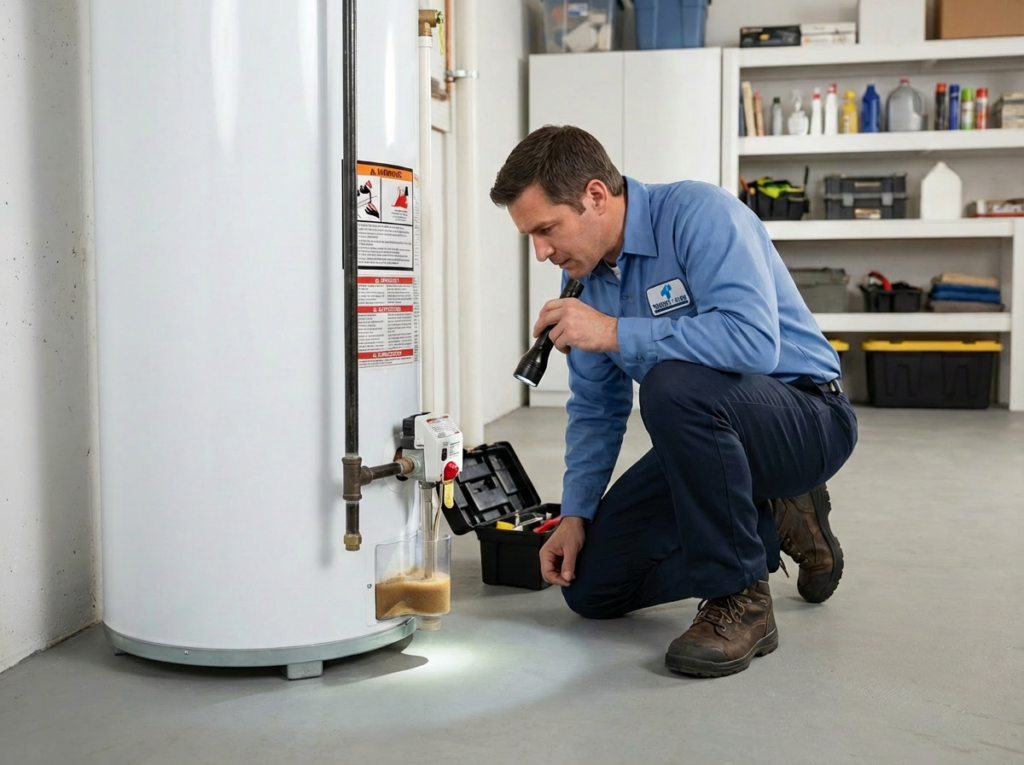
Water heaters fail for several reasons. The most common cause is age. Most tank water heaters last 8 to 12 years. After that, parts wear out and efficiency drops. Sediment builds up at the bottom of the tank over time. This sediment blocks heat transfer and forces the unit to work harder. Eventually, it stops heating altogether.
Another frequent issue is a faulty heating element. Electric water heaters have two elements. If one burns out, you may get lukewarm water instead of hot. If both fail, you get nothing. Gas water heaters rely on a pilot light and a burner. If the pilot goes out or the thermocouple fails, the burner will not ignite.
Thermostat problems also cause water heaters to stop working. The thermostat controls the temperature. If it breaks or gets stuck, the heater may not turn on at all. Leaks are another red flag. A leaking tank means the metal has corroded through. Once that happens, replacement is the only option.
Power issues can shut down electric water heaters. A tripped breaker or blown fuse cuts off electricity. For gas units, a closed gas valve or supply interruption will stop the burner. Sometimes the issue is simple. Other times it signals a bigger problem that needs professional attention.
Why This Matters
A broken water heater affects more than just your comfort. It impacts your wallet, your safety, and your property value. Here is why you should take this seriously:
- Cost: Delaying repairs can turn a small fix into a full replacement. A new heating element costs a fraction of a new tank. Waiting too long means you pay more.
- Safety: Gas water heaters with faulty pilots can leak carbon monoxide. Electric units with bad wiring can spark or overheat. Both create hazards for your family or employees.
- Home Value: Buyers expect working systems. A failed water heater during an inspection can kill a sale or force you to drop your price.
When your water heater stops working, you lose hot water for showers, laundry, dishes, and cleaning. For a business, that can mean shutting down operations. Restaurants, salons, and offices all depend on hot water. Downtime costs you customers and revenue.
Ignoring the problem also risks water damage. A leaking tank can flood your basement or utility room. Water destroys flooring, drywall, and personal belongings. Insurance may not cover damage caused by neglect. Acting fast protects your investment and keeps your home or business running smoothly.
What to Look For When Your Water Heater Stops Working
Before you call for help, check a few things yourself. These steps can save you time and help you explain the problem clearly.
- Check the power or gas supply: For electric water heaters, open your breaker panel. Look for a tripped breaker labeled water heater. Flip it off and back on. For gas units, make sure the gas valve near the heater is open. It should be parallel to the pipe, not perpendicular.
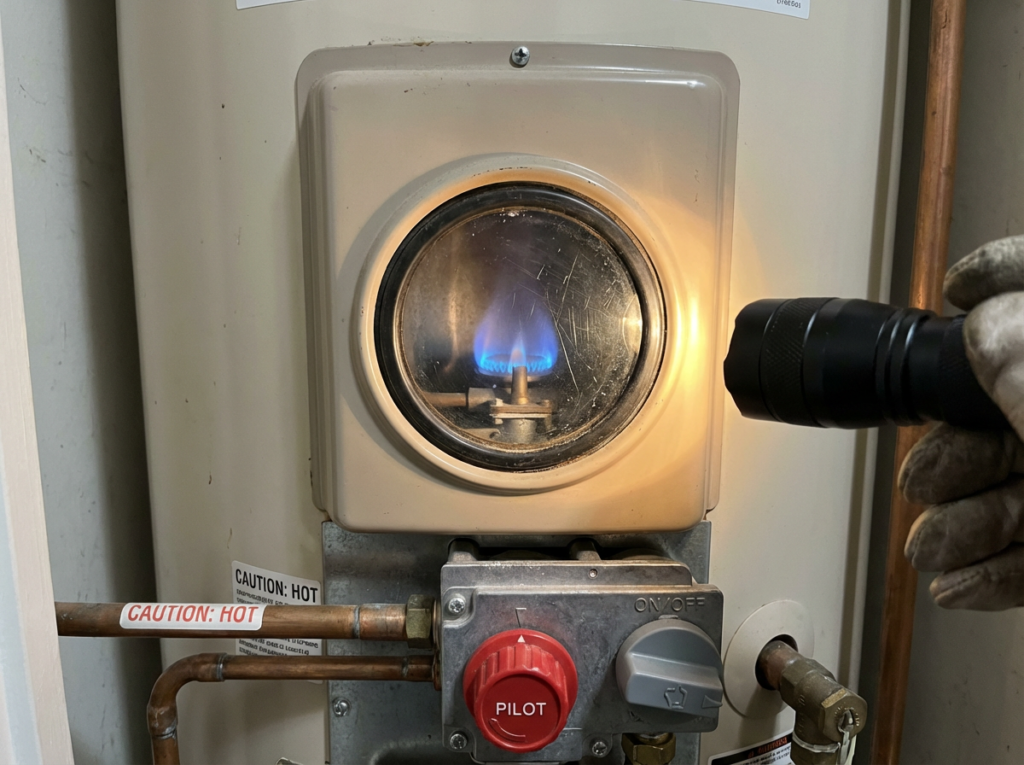
- Inspect the pilot light: If you have a gas water heater, look through the viewing window. You should see a small blue flame. If it is out, follow the relight instructions on the tank. If it will not stay lit, the thermocouple may be bad.
- Test the water temperature: Turn on a hot water tap and let it run for a minute. If the water is lukewarm, one heating element may be working. If it is completely cold, both elements or the burner may be off.
- Look for leaks: Walk around the base of the tank. Check for puddles or rust stains. Feel the floor for dampness. A leaking tank cannot be repaired and must be replaced.
- Listen for unusual sounds: Popping, banging, or hissing noises often mean sediment buildup or pressure issues. These sounds tell you the heater is struggling and may fail soon.
If you find no hot water at home or notice your hot water smells like rotten eggs, those are signs of deeper problems that need professional diagnosis.
If this sounds like something you are dealing with, do not wait. Transit & Flow® serves Columbus, OH and the surrounding area. Call us today or book online. No surprises. No guesswork. Just results.
What You Should Do
When your water heater stops working, follow these steps in order:
First, turn off the power or gas. For electric heaters, flip the breaker. For gas units, turn the gas valve to the off position. This prevents further damage and keeps you safe.
Second, shut off the water supply. Find the cold water valve at the top of the tank. Turn it clockwise until it stops. This keeps the tank from refilling and limits potential leaks.
Third, call a experienced, insured plumber. Do not try to repair a water heater yourself unless you have training. Gas and electric systems require specialized knowledge. Mistakes can cause fires, explosions, or electrocution.
Fourth, document the problem. Take photos of any leaks, rust, or error codes. Write down when the issue started and what you noticed. This information helps your plumber diagnose the problem faster.
Fifth, clear the area around the water heater. Move boxes, laundry, and stored items away from the unit. Give the plumber room to work safely and efficiently.
Do not wait days to call. A broken water heater will not fix itself. The longer you wait, the more you risk secondary damage and higher repair costs.
How Transit & Flow® Handles This
At Transit & Flow®, we diagnose water heater problems quickly and accurately. Our team arrives with the tools and parts needed for most repairs. We inspect the entire system, not just the obvious issue. We check for sediment, test heating elements, examine thermostats, and measure pressure.
We explain what we find in plain language. You get upfront flat-rate pricing before we start any work. No hourly billing. No surprise charges. If your water heater needs replacement, we walk you through your options and help you choose the right size and type for your home or business.
Our water heater services include installation, repair, and maintenance. We work on electric and gas models. We respect your property and leave the work area clean. You get professional service from people who care about doing the job right.
Your home deserves professional plumbing from people who care. Transit & Flow® is the premium choice for homeowners in Columbus, OH. We are bonded, insured, and ready when you need us. Book your service today! Call us at 614-333-8092 or book online.
