
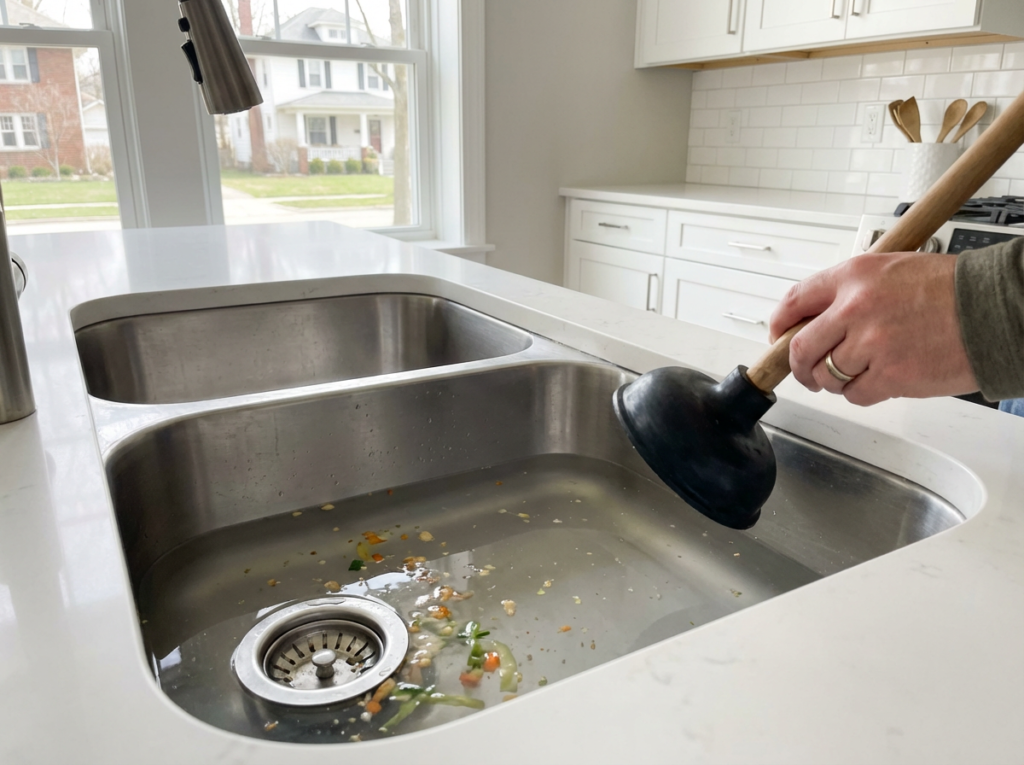
5 Reasons Why Your Kitchen Sink Keeps Getting Clogged
Kitchen sink keeps getting clogged at the worst times. You rinse a plate, the water rises, and the smell hits you. In many Columbus, OH homes, the problem starts small, then gets worse fast. A slow drain today can turn into a full backup tomorrow. The good news is you can spot the cause early and stop repeat clogs.
5 Reasons Your Kitchen Sink Keeps Getting Clogged
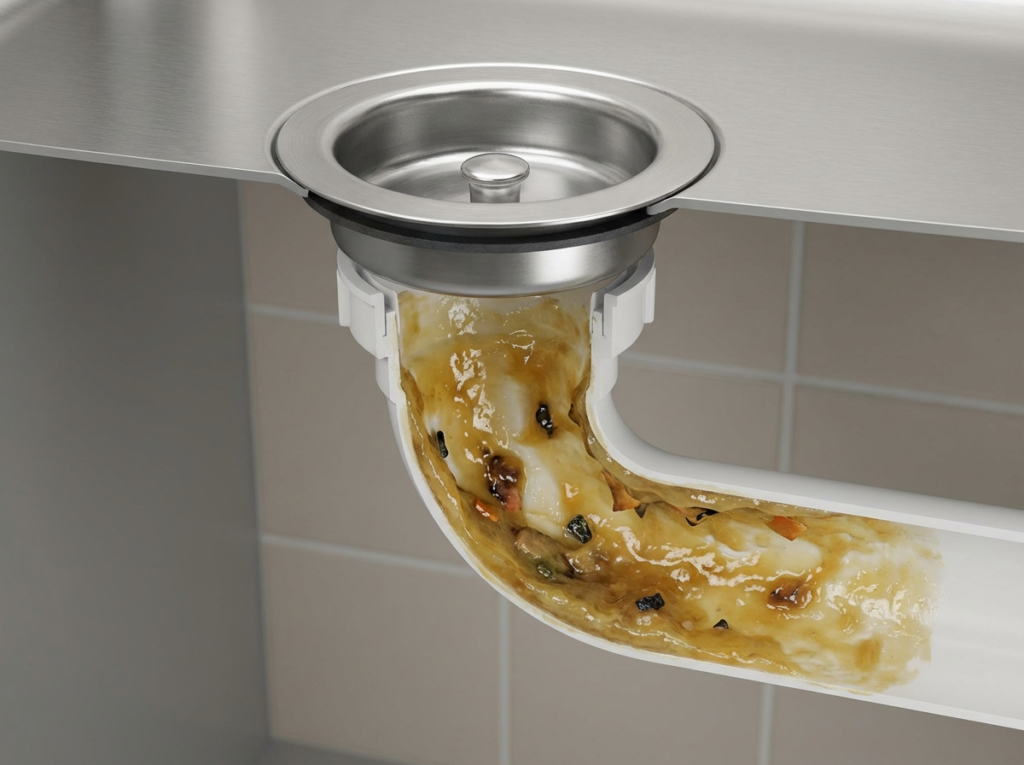
When your kitchen sink keeps getting clogged, the issue usually comes from a few repeat patterns. Most clogs build up over time. They start as a thin layer inside the pipe. Then each meal adds more.
- Grease and cooking oil: Bacon grease, butter, and frying oil stick to pipe walls. They cool and harden. Then they grab food bits.
- Food scraps in the drain: Rice, pasta, coffee grounds, and flour swell with water. They turn into a thick paste.
- Soap scum and mineral buildup: Dish soap can mix with hard water minerals. It leaves a film that narrows the pipe.
- A struggling garbage disposal: A dull disposal blade or a jam can leave chunks behind. Those chunks catch more debris.
- A partial clog deeper in the line: The sink might drain “okay” for days. Then it clogs again. That often means buildup sits farther down, past the trap.
In Columbus, OH, older homes can add another twist. Some have narrow pipes or older fittings that catch debris more easily. You might also see more buildup if you cook at home often or run the disposal every day.
Why Your Kitchen Sink Keeps Getting Clogged Matters
A kitchen sink clog feels like a small hassle. It can turn into a bigger problem that costs more and disrupts your day.
First, standing water can hide bacteria and create bad odors. You also risk water damage if the sink overflows. Even a small overflow can soak cabinets and warp flooring.
Second, repeat clogs can point to a bigger drain issue. If buildup sits deeper in the line, you can get backups that affect more than one fixture. That can lead to messy cleanup and higher repair costs.
Third, a clogged kitchen drain can stress your plumbing system. You might run the disposal longer, use harsh chemicals, or plunge too hard. Those habits can damage pipes, seals, and disposal parts.
Here is what is at stake for homeowners:
- Cost: Small clogs often need simple drain cleaning. Deep clogs can take more time and tools.
- Safety and hygiene: Dirty standing water can spread germs on counters and dishes.
- Home value: Water damage under a sink can lead to mold and cabinet repairs.
If you want a deeper look at early warning signs, use this guide with a helpful checklist: “Sink is Draining Slowly”
What to Look For When Your Kitchen Sink Keeps Getting Clogged
You can often catch the cause before the sink stops fully. Use these steps to narrow it down. If you feel unsure at any point, stop and call a pro.
- Check how fast the water drains. If it drains slow every time, you likely have buildup. If it clogs only after you run the disposal, the disposal may play a role.
- Listen for gurgling. Gurgling can mean trapped air behind a clog. It can also point to venting issues.
- Smell the drain. A sour or rotten smell often comes from food and grease sitting in the trap.
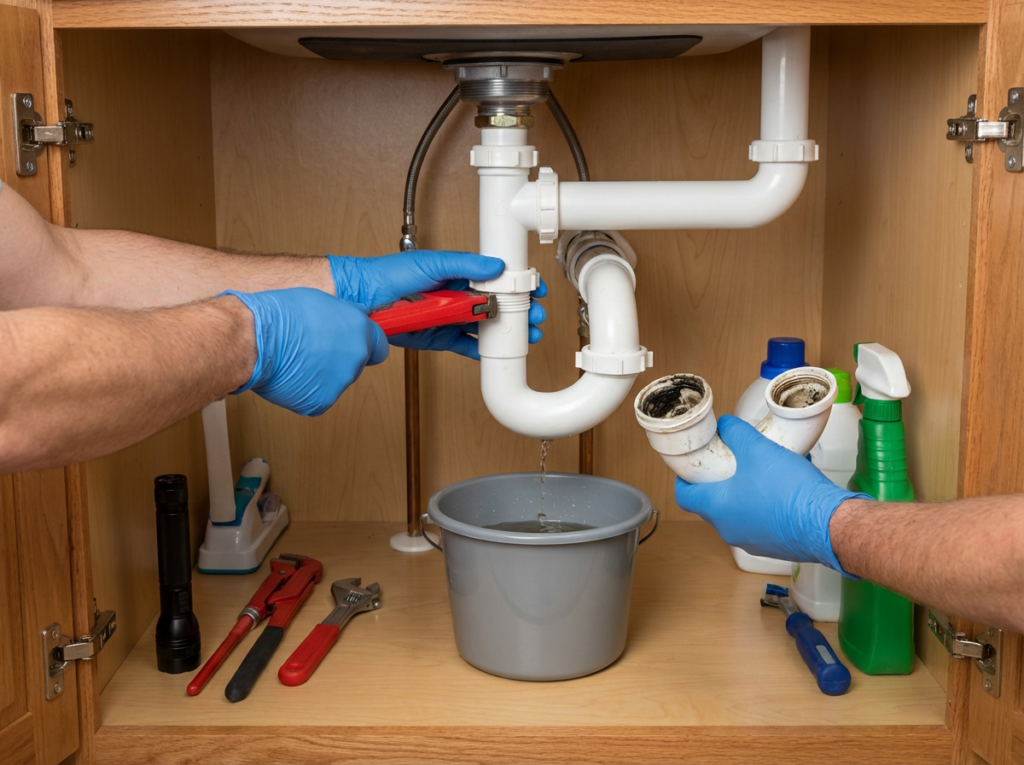
- Look under the sink for leaks. A loose slip nut or worn washer can drip when pressure builds.
- Try a safe flush. Run hot water for one minute, then cold for 15 seconds. If the drain slows right away, buildup likely lines the pipe.
- Avoid chemical drain cleaners. Many drain chemicals can heat up and damage pipes. They can also make a later repair harder.
- Track patterns. Does the clog happen after taco night, pasta, or heavy dishwashing? That points to grease, starch, or soap film.
If this sounds like something you are dealing with, do not wait. Transit & Flow® serves Columbus, OH and the surrounding area. Call us today at 614-333-8092 or book online. No surprises. No guesswork. Just results.
What You Should Do
If your kitchen sink keeps getting clogged, focus on simple steps that reduce buildup and protect your pipes.
Start with your habits. Pour grease into a can, not the drain. Wipe pans with a paper towel before you wash them. Use a sink strainer to catch food scraps.
Next, clean the drain the safe way. Once a week, run hot water for a minute. Then add a small amount of dish soap and run more hot water. This helps move light grease before it hardens.
If the sink backs up often, stop using the disposal for problem foods. Avoid coffee grounds, eggshells, rice, pasta, and fibrous peels. Those items can cause repeat kitchen drain clogs.
If you already tried these steps and the clog returns, schedule a professional drain inspection. A pro can clear the line fully and check for deeper issues.
For professional help, start here: Drain cleaning service in Columbus, OH https://transitflowplumbing.com/plumbing/drain-cleaning-service/
For general plumbing guidance from a trusted source, you can also review the EPA’s tips on protecting your home’s plumbing and water system: https://www.epa.gov/watersense
How Transit & Flow® Handles This
Transit & Flow® treats repeat kitchen clogs like a system problem, not a quick patch. We start by asking the right questions, then we inspect the drain path and the trap. We clear the blockage with professional tools that remove buildup instead of just punching a hole through it.
When we finish, we explain what caused the clog and how to prevent the next one. You get clear options and upfront pricing before work begins. You also get a clean workspace when we leave.
Your home deserves professional plumbing from people who care. Transit & Flow® is the premium choice for homeowners in Columbus, OH. We are bonded, insured, and ready when you need us. Book your service today. Call us at 614-333-8092 to book today or visit transitflowplumbing.com to book online.
