
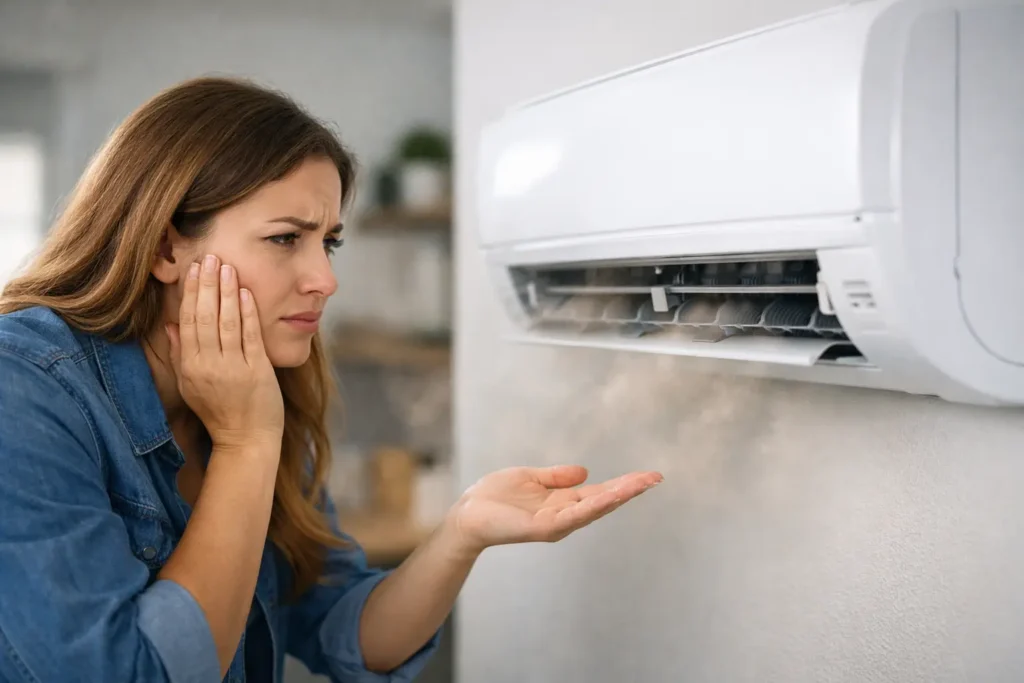
When your air conditioner not cooling problem shows up in the middle of a Columbus heat wave, the house can go from uncomfortable to disruptive fast. Maybe one room feels warm while the rest of the house is just tolerable. Maybe the system runs all day and never seems to catch up. Either way, the question is the same: is this a quick fix, or is it time to schedule service?
The answer depends on what the system is doing and what changed. Some cooling problems come down to airflow, thermostat settings, or a dirty filter. Others point to a failing part, low refrigerant, an electrical issue, or a system that needs a proper diagnostic before more damage happens. The key is to check the obvious items first, then bring in a technician if the issue keeps going.
Why an air conditioner is not cooling
An AC system cools by moving heat out of your home. If any part of that process is restricted, dirty, damaged, or not getting the right signal, the system may still run without actually cooling well.
That is what makes this issue frustrating. Homeowners often hear the unit turn on, feel some air at the vents, and assume the system is working. But cool air and enough cool air are not the same thing. A unit can be operating and still fail to lower the indoor temperature for several different reasons.
In Central Ohio, heavy summer use also adds wear. Systems that have not been cleaned, inspected, or maintained recently tend to show problems during the hottest stretches, when they have the least room for error.
What to check first when the air conditioner is not cooling
Start with the thermostat. Make sure it is set to cool, not fan, and that the temperature setting is below the current indoor temperature. If the screen is blank or acting oddly, the thermostat may have a power or battery issue.
Next, check the air filter. A clogged filter can choke airflow enough to reduce cooling and strain the system. If it looks dirty, replace it with the correct size and type for your system. This is one of the most common causes of weak cooling, especially during peak summer months.
Then look at the outdoor unit. Leaves, grass clippings, cottonwood, and general debris can collect around the condenser and make it harder for heat to release outdoors. The unit needs breathing room. If the area is blocked, clear away loose debris around it, but do not open equipment panels or attempt deeper cleaning if you are not trained to do it safely.
You should also check your circuit breaker if the outdoor unit is not running at all. Sometimes the indoor portion is operating while the outside equipment is not, which can make it seem like the AC is running even though no real cooling is happening.
If you have multiple vents with little or no airflow, make sure they are open and not blocked by furniture, rugs, or curtains. Poor airflow can make the house feel unevenly cooled and can point to either a simple obstruction or a larger duct or blower issue.
Signs the problem is more than a basic setting or filter
If you replace the filter, verify the thermostat, and the system still cannot cool the home, the problem may be more mechanical. One of the clearest signs is when the AC runs constantly without reaching the set temperature. Another is warm air coming from the vents even though the system is in cooling mode.
Ice on the indoor or outdoor components is also a red flag. People sometimes assume ice means the system is cooling extra well, but it usually means the opposite. Frozen coils often point to airflow restrictions, refrigerant issues, or other system faults that need professional attention.
Short cycling is another warning sign. If the unit turns on and off every few minutes, it may be dealing with electrical trouble, thermostat issues, overheating, or a problem with system sizing or component performance. That kind of stop-and-start operation can increase wear quickly.
Strange sounds matter too. Buzzing, clicking, rattling, or hissing can suggest failing electrical parts, loose components, or refrigerant-related issues. If cooling dropped off around the same time those noises started, that is useful information to share when you schedule service.
Common causes behind AC cooling problems
Dirty evaporator or condenser coils are a frequent culprit. When coils are coated with dust and buildup, heat transfer drops. The system has to work harder and cool less effectively. This often develops gradually, which is why some owners do not notice the decline until outdoor temperatures spike.
Low refrigerant is another common issue, but it is not something that simply gets used up like fuel. If refrigerant is low, there is typically a leak or another underlying problem. Topping it off without finding the cause is usually a temporary fix at best.
A failing capacitor or contactor can also interfere with cooling. These parts help the motors and compressor start and run correctly. When they weaken, the unit may struggle to turn on, cool inconsistently, or stop working altogether.
Blower problems can reduce cooling indoors even if the outdoor unit is working. If the blower motor is failing, airflow may be too weak to move cooled air through the home effectively. In some cases, customers describe this as the AC running but the house still feeling sticky or warm.
Duct issues are worth considering, especially in larger homes, older properties, or buildings with additions. Leaks, disconnected sections, or poorly balanced airflow can make certain areas stay warm even while others cool normally. That is not always an equipment failure – sometimes it is an air delivery problem.
There is also the issue of system age and capacity. If an older AC has struggled for several summers, or if your home has changed with added square footage, insulation issues, or more sun exposure, the system may not be keeping up the way it once did. In those cases, repair may help, but it is worth getting an honest recommendation on whether repair or replacement makes more sense.
When to call for professional AC service
If the unit is running but not cooling after the basic checks, it is time for a diagnostic. The same is true if the breaker keeps tripping, the system is freezing up, or you notice burning smells, water around the indoor unit, or major performance changes.
For property managers and business owners, it usually makes sense to call early rather than wait for a full shutdown. A unit that is underperforming today can become a no-cooling emergency tomorrow, especially during high-demand weather. Early service can help limit tenant complaints, reduce downtime, and avoid extra strain on the equipment.
Professional service matters because cooling problems are not always visible from the outside. A technician can test electrical components, inspect coil condition, check refrigerant performance, evaluate airflow, and confirm whether the issue is isolated or part of a bigger pattern. That leads to a clearer recommendation and a better repair decision.
For customers in Columbus and surrounding suburbs, the value is not just getting the system running again. It is understanding what failed, what needs approval before work begins, and what to expect next. Clear communication matters when the house is hot and you need answers quickly.
Repair or replacement – how to think about it
Not every air conditioner not cooling call ends in replacement, and not every repair is the right long-term move. It depends on the age of the system, the condition of major components, repair frequency, and how well the unit has been performing overall.
If the issue is a single failed part on an otherwise solid system, repair is often the practical choice. If the system is older, has a history of repeat breakdowns, or faces a major repair combined with poor efficiency, replacement may be the better investment. The right answer is the one that balances immediate need with long-term reliability.
This is where straightforward recommendations matter. Customers should know what problem was found, what repair is being proposed, and whether there are reasonable alternatives. They should also know that final pricing depends on inspection, site conditions, materials, and approval before work starts.
How to reduce the chances of it happening again
Regular maintenance gives your AC a better chance of making it through summer without surprises. That includes seasonal inspection, cleaning, filter changes, and catching worn parts before they fail on a 90-degree day.
It also helps to pay attention to smaller warning signs. Rising indoor humidity, rooms that cool unevenly, longer run times, and higher utility bills can all show up before a complete cooling failure. Addressing those early is usually easier than waiting until the system stops keeping up altogether.
If your AC is not cooling the way it should, a calm, step-by-step response is usually the best move. Check the basics, avoid risky DIY repairs, and if the problem continues, get it looked at before a small issue turns into a bigger disruption. In a Columbus summer, dependable cooling is not a luxury – it is part of keeping your home or property running the way it should.
