
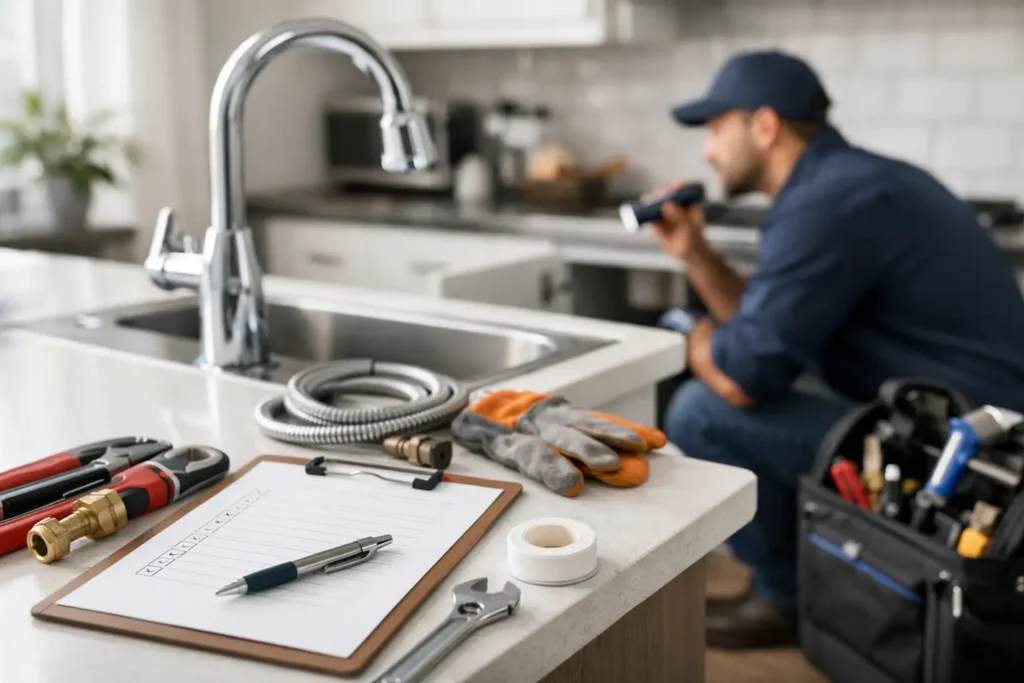
A slow drip under the sink usually does not look urgent until the cabinet floor starts swelling or the water bill jumps. That is why a good home plumbing maintenance checklist matters. A few routine checks can help you catch small problems early, avoid avoidable damage, and make better decisions about when a repair can wait and when it should be scheduled right away.
For homeowners and property managers in Columbus, plumbing maintenance is not just about convenience. Seasonal temperature swings, older housing stock in many neighborhoods, and heavy daily use all put stress on pipes, drains, water heaters, and sump systems. The goal is not to turn you into a plumber. It is to help you stay ahead of the issues that most often lead to leaks, backups, and emergency calls.
What a home plumbing maintenance checklist should cover
A useful checklist focuses on the fixtures and systems that fail in predictable ways. That includes faucets, toilets, drains, exposed water lines, shutoff valves, water heaters, sump pumps, and any area where water can escape without being noticed right away.
It also helps to think in terms of frequency. Some items should be checked monthly, some seasonally, and some once a year. If you manage a rental, condo, or small commercial property, the schedule may need to be tighter simply because more users mean more wear.
Monthly plumbing checks that save trouble later
Start with the easiest habit – look for changes. Walk through kitchens, bathrooms, laundry areas, utility spaces, and basements with the specific goal of spotting water where it should not be.
Check under sinks for dampness, staining, warped materials, or a musty smell. A leak does not need to be dramatic to cause cabinet damage or mold concerns over time. Pay attention to supply lines at faucets and toilets. If a braided line looks kinked, corroded at the fitting, or unusually old, it may be worth having it evaluated before it fails.
Run every faucet for a moment and listen. Sputtering, banging, or a sudden drop in pressure can point to a developing issue. Low flow at one fixture may just be a clogged aerator. Low flow across multiple fixtures is a different conversation and may call for a broader inspection.
Flush each toilet and make sure it clears properly and refills as expected. Toilets that run longer than normal, refill on their own, or feel loose at the base should not be ignored. A running toilet can waste a surprising amount of water, while movement at the base may signal a failing seal or floor issue.
Look at ceilings and walls below bathrooms or laundry rooms. Water stains often show up away from the actual source. If you see discoloration, bubbling paint, or soft drywall, there is a reason for it.
Kitchen and bathroom drain maintenance
Most drain problems build gradually. Grease, soap residue, hair, and everyday debris narrow the line until a slow drain becomes a stoppage.
Your checklist should include watching how quickly sinks, tubs, and showers drain. If more than one drain is slowing down, the issue may be deeper in the system than a simple surface clog. That is especially true if you notice odors, gurgling, or backups in the lowest fixtures of the property.
This is one area where judgment matters. A simple stopper cleaning is reasonable. Repeated chemical drain cleaner use is not a maintenance plan. It can damage certain pipes and still leave the real blockage in place. If the same drain keeps acting up, the better move is usually to have it diagnosed correctly.
In kitchens, garbage disposals deserve a quick visual and listening check. If the unit hums, leaks, smells bad, or drains slowly, those are signs to address the problem before it turns into a full sink backup.
Seasonal items on your plumbing checklist
In Central Ohio, the change in seasons affects plumbing more than many people expect. Fall and winter are the big ones.
Before freezing weather, check any exposed pipes in unheated spaces such as crawl spaces, garages, or exterior walls. Disconnect garden hoses and shut off exterior hose bibs if your setup allows for it. Frozen pipes are not always caused by extreme weather alone. Poor insulation, drafts, and vulnerable sections of line are often part of the problem.
Spring is a good time to check for damage that may have developed over winter. Look around the foundation, basement, and utility areas for signs of seepage or pipe stress. If your property has a sump pump, test it before the heavy rain season rather than waiting for the first storm.
Summer can be harder on water heaters and appliances than people assume, especially in larger households with guests, kids home from school, or increased laundry use. If hot water recovery seems slower than usual, it may be time for service.
Water heater maintenance without guesswork
Water heaters rarely fail without warning. The problem is that the warning signs are easy to dismiss.
Include a visual check of the tank area in your home plumbing maintenance checklist. Look for rust-colored water, moisture around the base, corrosion at fittings, or unusual popping and rumbling sounds. Those noises often point to sediment buildup, which reduces efficiency and puts more strain on the unit.
It depends on the age of the water heater, the water quality in your area, and how much hot water your household uses, but annual service is often a smart move. A newer unit may only need routine attention. An older one with inconsistent performance may be closer to replacement than repair. What matters is getting a clear recommendation based on actual condition, not guessing after a no-hot-water morning.
Do not forget shutoff valves and sump pumps
A checklist is only useful if it covers the components you need during an emergency. Every property owner should know where the main water shutoff is and confirm it is accessible. If the valve is stuck, corroded, or hidden behind storage, that becomes a problem when a line breaks.
Fixture shutoffs under sinks and behind toilets should also be checked periodically. A shutoff valve that will not turn is easy to ignore until the day you need it.
For homes with basements, sump pump checks are just as important. Test operation, confirm the pit is clear, and look at the discharge line condition. If your area is prone to storm-related water issues, a backup system may be worth discussing. The right setup depends on the property, drainage conditions, and risk tolerance.
When a plumbing issue stops being routine maintenance
A checklist helps with early detection, but it does not replace service when the signs point to a larger problem. If you smell sewer gas, have recurring backups, notice water pressure changes throughout the property, see unexplained water damage, or lose hot water repeatedly, it is time to move beyond observation.
The same goes for any issue affecting multiple fixtures at once. One slow sink may be local. A toilet bubbling when the shower runs suggests something else. That is where professional diagnostics save time and prevent guesswork.
For homeowners and property managers, speed matters, but so does clarity. You want to know what is happening, what the options are, and what work is recommended before anything moves forward. That kind of communication is especially important when the issue could affect tenants, daily operations, or a larger repair budget.
A realistic checklist for busy property owners
If you want this process to stick, keep it simple. Check visible fixtures monthly, handle seasonal tasks before weather changes, and schedule a professional plumbing inspection if you have recurring concerns, an older home, or a history of leaks, drain issues, or sump pump trouble.
For higher-use properties like rentals, apartment buildings, or HOA-managed spaces, routine maintenance usually needs more structure. Turnovers, vacant units, and shared plumbing lines create more opportunities for small problems to go unnoticed. In those settings, consistency matters more than perfection.
Transit & Flow works with Columbus-area property owners who want practical recommendations, clear communication, and dependable service when maintenance finds something that should not be put off. That could mean a leaking shutoff valve, a water heater showing age, or a drain issue that keeps returning.
A home plumbing maintenance checklist is not about finding more things to worry about. It is about catching the right issues early, protecting the property, and knowing when a professional visit will save you time, damage, and disruption later.
