
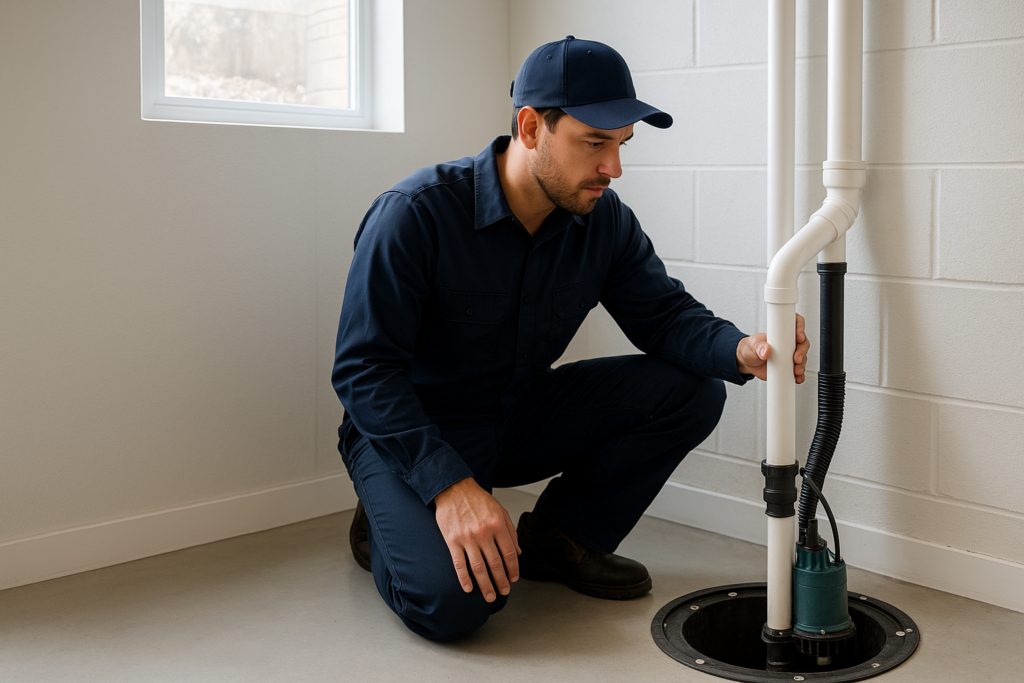
Quick Answer: Best Emergency Sump Pump Repair in Columbus OH
If your sump pump has stopped working, is running constantly, or your Worthington basement is taking on water during heavy rain, the best step is to call a professional plumbing service immediately. Transit & Flow provides fast sump pump repair throughout Columbus OH and Worthington, with trained technicians who diagnose the root cause and restore your basement protection the same day in most cases. Call 614-333-8092 now for priority scheduling.
Introduction: Why Sump Pump Repair Matters for Worthington Homeowners
Summer in central Ohio brings intense thunderstorms, saturated soil, and rising water tables, and Worthington sits in one of the most flood-susceptible corridors north of downtown Columbus. When your sump pump fails during a heavy June downpour, the consequences can be devastating: thousands of dollars in water damage, ruined belongings, and dangerous mold growth that threatens your family’s health.
The challenge most homeowners face is not knowing whether their sump pump needs a simple repair, a component replacement, or a full system upgrade until it is already too late. That uncertainty is exactly why Transit & Flow serves the Worthington and greater Columbus OH area with rapid-response sump pump diagnostics, repair, and replacement services. Whether you are hearing strange noises from your sump pit, noticing a musty smell in the basement, or staring at standing water right now, the team at Transit & Flow is ready to help. Call 614-333-8092 to speak with a knowledgeable team member and get your basement protected before the next storm rolls in.
Key Takeaways
- A failing sump pump in Worthington can lead to severe basement flooding, especially during Columbus OH summer storms.
- Common warning signs include unusual noises, frequent cycling, visible rust, and water pooling around the sump pit.
- Repair costs depend on the type of failure, pump age, and whether a backup sump pump system is needed.
- Transit & Flow offers professional sump pump repair, replacement, and maintenance across Columbus OH and Worthington.
- Never attempt electrical or submersible pump repairs yourself, as standing water and electricity create life-threatening hazards.
Understanding Sump Pump Systems: The Primary Service Homeowners Need
A sump pump is your basement’s first and most important line of defense against groundwater intrusion. Installed in a sump pit, typically at the lowest point of your basement or crawl space, the pump activates automatically when the water level rises above a set threshold. It then channels water away from the foundation through a discharge line, keeping your living space dry and your foundation intact.
Types of Sump Pumps Common in Worthington Homes
Most residential sump pump systems in the Worthington and Columbus OH area fall into two categories. Submersible pumps sit inside the sump pit, submerged in water, and tend to be quieter and more powerful. Pedestal pumps mount above the pit with the motor elevated and the intake pipe extending down into the water. Each type has different repair considerations, lifespans, and failure modes that a professional technician evaluates during a service call.
Why Backup Sump Pumps Matter
A backup sump pump, typically battery-powered or water-powered, provides a critical safety net when the primary pump fails or when power outages coincide with heavy rain. In Columbus OH, where summer storms frequently knock out power, a backup system can mean the difference between a dry basement and catastrophic flooding. Transit & Flow technicians assess whether your current system would benefit from a backup pump during every sump pump service visit.
The Role of the Check Valve and Discharge Line
Two components that frequently cause problems are the check valve and the discharge line. The check valve prevents pumped water from flowing back into the pit, while the discharge line carries water safely away from your foundation. Cracks, clogs, or a failed check valve can make your pump work harder, cycle more often, and ultimately burn out prematurely. Professional inspection catches these issues before they escalate into full pump failure.
Warning Signs and Symptoms Your Sump Pump Needs Repair
Recognizing early warning signs allows you to schedule a repair before an emergency occurs. Watch for these symptoms in your Worthington or Columbus OH home:
- Strange or loud noises: Grinding, rattling, or humming sounds suggest motor bearing failure, a jammed impeller, or debris in the pit.
- Frequent cycling on and off: The pump turns on and off rapidly even when there has been no rain, which may indicate a faulty float switch or a check valve issue.
- Visible rust or corrosion: Discoloration in the sump pit or on the pump housing signals that the unit is deteriorating internally.
- Water around the sump pit: Pooling water near the pit or damp basement walls suggest the pump is not keeping up with water flow.
- Musty or moldy smell: Persistent odors indicate moisture is accumulating, often because the pump is not fully evacuating the pit.
- Pump runs continuously: A pump that never stops likely has a stuck float switch, an undersized pump, or a plumbing issue in the discharge line.
- No activation during rain: If water is visibly entering the pit but the pump does not turn on, the unit may have lost power, or the float switch may be stuck.
Root Causes of Sump Pump Failure in Columbus OH
Understanding why sump pumps fail helps homeowners make better repair-versus-replace decisions. The most common root causes Transit & Flow technicians encounter in the Columbus OH and Worthington area include:
- Power surges and outages: Summer lightning strikes and grid instability can damage the pump motor or control board.
- Float switch malfunction: The float switch, which tells the pump when to turn on, can become stuck, tangled, or corroded over time.
- Clogged intake or impeller: Sediment, gravel, and debris from the sump pit can block the pump intake screen or jam the impeller blades.
- Frozen or blocked discharge line: While more common in winter, discharge lines can also become blocked by debris, dirt, or animal nesting in summer months.
- Age and wear: Most sump pumps have a useful life of seven to ten years. Pumps nearing or past that age range experience more frequent failures.
- Improper installation: A pump that was incorrectly sized for the home or installed without a proper check valve will fail sooner than expected.
- Columbus OH clay soil conditions: The heavy clay soils common throughout Franklin County and Worthington retain moisture and place sustained hydraulic pressure on foundations, pushing more water toward sump systems than homes in sandier regions experience.
What a Professional Sump Pump Repair Looks Like
When you call Transit & Flow for sump pump repair in Worthington or Columbus OH, here is what the professional process involves:
- Initial assessment: The technician inspects the sump pit, pump unit, float switch, check valve, and discharge line to identify visible issues and test electrical connections.
- Diagnostic testing: The technician manually activates the pump, monitors cycling behavior, checks amp draw on the motor, and evaluates water flow rate to pinpoint performance problems.
- Root cause identification: Based on diagnostics, the technician explains what is causing the failure and whether a repair, component replacement, or full pump replacement is the most cost-effective solution.
- Repair or replacement: With your approval, the technician completes the work, which may include replacing the float switch, clearing debris from the impeller, installing a new check valve, or replacing the entire pump unit.
- System testing: After the repair, the technician runs the pump through multiple cycles, verifies proper discharge, and ensures the backup system, if present, is also functioning.
- Maintenance recommendations: Before leaving, the technician provides guidance on how often to schedule maintenance and whether additional upgrades would protect your home.
Cost Variables for Sump Pump Repair in Worthington and Columbus OH
Sump pump repair costs vary based on several factors. Transit & Flow does not quote fixed prices without an on-site diagnosis because every situation is different, but here are the primary cost variables to expect:
- Type of failure: A simple float switch replacement costs significantly less than a full motor or impeller rebuild.
- Pump type and model: Submersible pumps typically have higher parts costs than pedestal models, and specialty or high-capacity pumps fall at the upper end of the range.
- Age and condition: An older pump nearing end of life may justify replacement rather than repair, which affects the total investment.
- Backup sump pump installation: Adding a battery backup or water-powered backup system increases the project scope but provides long-term flood protection.
- Discharge line repairs: If the discharge line is cracked, clogged, or improperly routed, correcting it adds to the total cost.
- Emergency versus scheduled service: After-hours or emergency calls during active flooding events may carry a different rate than a routine scheduled appointment.
For an accurate estimate based on your specific situation, call Transit & Flow at 614-333-8092 or request your estimate online.
When to Call a Professional
Sump pump systems involve electricity, standing water, and sometimes sewage or contaminated groundwater. This combination creates serious safety hazards that homeowners should never attempt to resolve on their own. Call a professional immediately if you notice any of the following:
- Standing water in your basement, especially if it is approaching electrical outlets, appliances, or the electrical panel.
- Your pump is connected to power but is not activating during active water intrusion.
- You smell gas or sewage in the basement.
- There are any signs of electrical damage such as sparking, tripped breakers, or a burning smell near the pump.
- Water is entering your home faster than the pump can remove it.
Do not enter standing water in your basement if there is any possibility that electrical circuits are submerged. Call Transit & Flow at 614-333-8092 and describe the situation so the team can dispatch a trained technician with the right equipment to handle the emergency safely.
Safe Homeowner Checks You Can Perform
While major repairs should always be left to a professional, there are a few safe, non-hazardous checks you can perform between service visits to monitor your sump pump health:
- Visual pit inspection: Look into the sump pit with a flashlight to check for excessive debris, standing water that is not being pumped, or visible corrosion on the pump housing. Do this only when the area around the pit is dry.
- Test the float switch: If your basement is dry and you can safely access the pit, pour a bucket of water into the pit slowly. The pump should activate as the water level rises and shut off once the water is removed. If it does not, call a professional.
- Check the discharge outlet outside: Walk outside and locate where the discharge pipe exits your home. Make sure it is not blocked by dirt, leaves, ice, or debris.
- Verify the pump has power: Confirm that the sump pump is plugged in and that the outlet or circuit breaker has not tripped. Do not handle the plug or outlet if there is any water near the electrical connection.
If any of these checks reveal a problem, stop and contact Transit & Flow rather than attempting a repair.
Repair vs. Replace: Making the Right Decision
One of the most common questions Worthington homeowners ask is whether to repair an existing sump pump or replace it entirely. Here are guidelines a Transit & Flow technician uses to help you decide:
- Repair is typically recommended when: The pump is fewer than five years old, the issue is a single component such as a float switch or check valve, and the motor is still running efficiently.
- Replacement is typically recommended when: The pump is seven years or older, the motor is struggling or drawing excessive power, there have been multiple repairs in the past two years, or the pump is undersized for your home’s water management needs.
- Upgrade is recommended when: You do not have a backup sump pump and your home is in a flood-prone area of Worthington or Columbus OH, or when a more powerful or energy-efficient model would provide better long-term value.
Local Columbus and Worthington Context
Worthington sits in the Olentangy River watershed, and many homes in the area were built on heavy Franklin County clay soil. This soil type does not drain well, which means that during Columbus OH summer storms, water accumulates around foundations quickly and places enormous pressure on basement walls and sump pump systems.
The Columbus OH area averages about four inches of rainfall in June alone, with individual storm events sometimes dumping over an inch in under an hour. Homes in Worthington, especially those in older neighborhoods near the Olentangy or in low-lying areas near Highbanks Metro Park, are particularly susceptible to rapid groundwater rise. The City of Columbus and Worthington municipal services manage stormwater infrastructure, but individual home sump pumps remain the homeowner’s responsibility.
Transit & Flow understands these local conditions because our technicians serve Worthington and the greater Columbus OH area daily. Seasonal sump pump maintenance before peak storm season is one of the most effective ways to prevent emergency failures.
Frequently Asked Questions About Sump Pump Repair
What should I do first if my sump pump stops working?
First, check that the pump is plugged in and the circuit breaker has not tripped, but only if the area is dry and safe to access. If the pump still does not activate, or if there is standing water near electrical connections, do not attempt any further troubleshooting. Call Transit & Flow at 614-333-8092 for same-day emergency sump pump service in Worthington and Columbus OH.
What should I avoid doing when my sump pump fails?
Never wade into standing basement water, especially if electrical outlets, appliances, or the pump’s power cord could be submerged. Do not attempt to disassemble or repair a submersible pump yourself. Avoid using a shop vacuum to remove large amounts of water without first confirming the electrical safety of the space. Always call a professional.
What affects the cost of sump pump repair?
The primary cost variables include the type of failure, pump age and model, whether additional components like a backup sump pump or new discharge line are needed, and whether the service is scheduled or emergency. Transit & Flow provides transparent pricing after an on-site diagnosis so there are no surprises.
When is a sump pump failure considered an emergency?
Any time water is actively entering your basement and the sump pump is not removing it, that is an emergency. Active basement flooding during heavy rain, sewage backup into the sump pit, or electrical hazards caused by water contact all require immediate professional attention.
When should I call a professional for sump pump issues?
Call a professional at the first sign of trouble, including unusual noises, frequent cycling, visible corrosion, or water that is not being pumped. Early intervention prevents the small repair from becoming a costly full replacement or flood damage restoration project.
How can Transit & Flow help with my sump pump?
Transit & Flow provides comprehensive sump pump repair, replacement, backup system installation, and seasonal maintenance for homeowners throughout Worthington and Columbus OH. Our trained technicians diagnose the problem on site, explain your options clearly, and complete the work efficiently so your basement stays protected.
Maintenance Tips to Extend Your Sump Pump’s Life
- Test your sump pump every three months by pouring water into the pit and confirming the pump activates and shuts off properly.
- Clean debris from the sump pit at least twice per year, ideally in spring before storm season and again in fall.
- Inspect the discharge line outlet outside your home after every major storm to ensure it is clear.
- If you have a battery backup sump pump, check or replace the battery according to the manufacturer’s schedule, typically every two to three years.
- Schedule annual professional sump pump maintenance with Transit & Flow to catch wear and component degradation before failure occurs.
Glossary of Key Terms
Sump Pump
A mechanical pump installed in a sump pit at the lowest point of a basement or crawl space, designed to remove accumulated groundwater and prevent basement flooding.
Check Valve
A one-way valve installed on the sump pump discharge line that prevents pumped water from flowing back into the sump pit after the pump shuts off.
Float Switch
A sensor mechanism attached to the sump pump that detects the water level in the pit and automatically activates the pump when the water reaches a set level.
Discharge Line
The pipe that carries water from the sump pump out of the home and directs it away from the foundation, typically terminating at a safe drainage point in the yard or connected to the storm drainage system.
Protect Your Worthington Home: Call Transit & Flow Today
Your sump pump is the one system standing between your basement and the next Columbus OH summer storm. Whether you need emergency repair, a routine inspection, or a complete system upgrade with a backup sump pump, Transit & Flow has the expertise and local experience to get the job done right.
Do not wait for water to reach your basement floor. Call Transit & Flow at 614-333-8092 to schedule your sump pump service today, or request your free estimate online. Our trained technicians serve Worthington, Columbus OH, and surrounding communities with fast, professional plumbing service you can count on.
Related Plumbing Services in Columbus, OH
- emergency plumber Columbus OH
- drain cleaning Columbus OH
- water heater repair Columbus OH
- sump pump service Columbus OH
- sewer line repair Columbus OH
- ProCare plumbing membership Columbus
For related services, explore our sump pump services page or learn more about service coverage on our Worthington OH service area page.
