
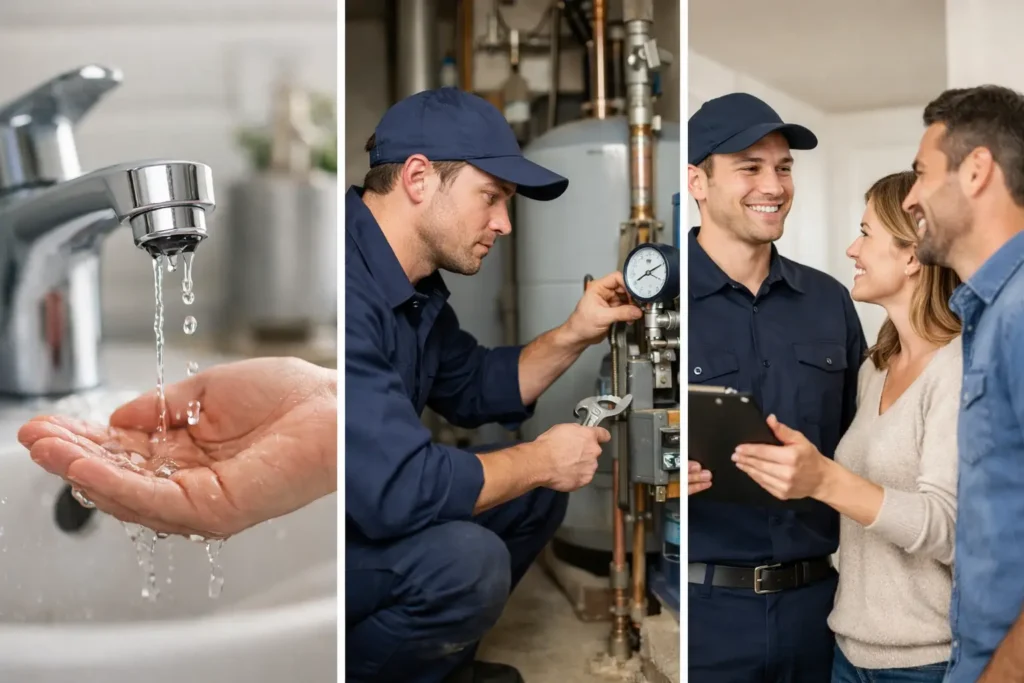
A shower that suddenly feels weak, a kitchen faucet that takes forever to fill a pot, or a washing machine that runs slowly can make a normal day frustrating fast. If you are asking what causes low water pressure, the answer depends on whether the problem affects one fixture, one area of the home, or every tap. That distinction gives a plumbing technician a useful starting point and helps you know how urgent the issue may be.
Low water pressure is not always a major repair, but it should not be ignored when it appears suddenly or continues to get worse. In Columbus homes, mineral buildup, aging plumbing components, hidden leaks, water heater problems, and water supply issues can all reduce flow. A clear diagnosis matters because the right repair for a clogged faucet screen is very different from the right repair for a leaking water line.
What Causes Low Water Pressure at One Fixture?
When low pressure is limited to a single sink, shower, toilet, or appliance, the cause is often close to that fixture. This is usually less disruptive than a whole-home pressure issue, but it can still affect daily use and may point to a part that needs attention.
A common cause is buildup in the faucet aerator or showerhead. Central Ohio water can leave mineral deposits behind over time. Those deposits reduce the opening where water exits, creating a weak stream even when the water supply itself is fine. A clogged or worn fixture cartridge can cause a similar problem, particularly when one handle produces a weaker flow than another.
The shutoff valve below a sink or behind a toilet may also be partly closed. These valves can be bumped during cleaning, cabinetry work, or a previous repair. Older valves can also fail internally, so a handle that looks open may not be allowing full flow.
If the issue is only on the hot-water side of one fixture, the problem may involve the fixture itself or sediment affecting hot-water flow. If several hot-water fixtures are weak while cold water is normal, the water heater and its related connections deserve a closer look.
When Low Water Pressure Affects the Whole House
Low pressure at multiple fixtures is more likely to involve the home’s main plumbing system or incoming water supply. You may notice it when someone flushes a toilet and the shower weakens, when both hot and cold water run slowly, or when several faucets have noticeably less flow than usual.
A Partially Closed Main Shutoff Valve
Your home’s main shutoff valve controls water entering the plumbing system. If it is not fully open, every fixture may receive less water than it should. This can happen after plumbing work, a water heater replacement, or an emergency shutoff.
Because main valves can be old, stiff, or damaged, forcing one can create a leak. If you suspect the valve is not fully open, a professional can inspect its condition and confirm whether it is restricting flow.
A Failing Pressure Regulator
Some homes have a pressure-reducing valve, often called a pressure regulator. Its job is to lower incoming water pressure to a safe level for the home’s plumbing. When it begins to fail, pressure may become consistently low, fluctuate from day to day, or change noticeably at different fixtures.
This is not a part to guess at. Water pressure that is too low is inconvenient, but pressure that is too high can strain pipes, fixture connections, and appliances. Testing the pressure and inspecting the regulator helps determine whether adjustment, repair, or replacement is appropriate.
A Hidden Water Leak
A leak in a supply line can reduce available pressure, especially if the leak is significant. Some leaks are easy to see under a sink or near a water heater. Others may be behind walls, under floors, or outside near the line serving the home.
Watch for unusually high water bills, damp spots, musty odors, a water meter that continues moving when no water is being used, or the sound of water running when the house is quiet. A sudden pressure drop paired with visible water, ceiling staining, or active flooding calls for immediate attention. Transit & Flow offers 24/7 emergency plumbing response for urgent water issues in the Columbus area.
Corroded or Restricted Pipes
In older homes, aging pipes can develop internal corrosion or buildup that narrows the path for water. The issue often develops gradually, so homeowners may not notice it until flow becomes clearly inadequate. Rust-colored water, repeated leaks, and weaker pressure in certain sections of the home can be signs that the piping needs to be evaluated.
Pipe replacement is not automatically the first answer. The right recommendation depends on the pipe material, the location and extent of the restriction, the condition of the rest of the system, and whether a targeted repair can solve the problem. A professional inspection should explain those options clearly before work begins.
A Problem With the Water Supply Outside the Home
Not every low-pressure issue begins inside the house. Water main work, a neighborhood supply interruption, or a problem with the line between the meter and your home can affect flow. If nearby neighbors are experiencing the same issue, the municipal supply may be involved.
If the problem is isolated to your property, the service line or a main plumbing component may be the more likely cause. A technician can help separate a home plumbing issue from a broader water supply concern, saving time and preventing unnecessary repairs.
Why Hot Water Pressure Can Be Lower Than Cold
When cold water is strong but hot water is weak throughout the home, start by considering the water heater side of the system. Sediment can accumulate in a tank-style water heater, particularly as equipment ages. Valves, connectors, and pipes leading from the heater can also become restricted or fail.
The age and condition of the water heater matter. If the unit is otherwise reliable, a focused repair may restore proper flow. If it has recurring problems, leaks, inconsistent heating, or heavy sediment buildup, replacement may be the more practical long-term option. A technician should review the condition of the equipment, explain the findings in plain language, and provide up-front options for approval.
Do not attempt to take apart water heater connections or adjust gas or electrical components to solve a pressure problem. Water heaters combine water, heat, and energy sources, and the diagnosis should be handled carefully.
How to Narrow Down the Cause Before Scheduling Service
You do not need plumbing experience to make a few useful observations. First, check whether the low pressure affects hot water, cold water, or both. Then compare several fixtures, including one upstairs and one on the main level if applicable. Note whether the change was sudden or gradual and whether the pressure drops only when another fixture is running.
It also helps to look for visible leaks under sinks, around toilets, near the water heater, and in accessible utility areas. Avoid disassembling fixtures or forcing valves. The goal is simply to provide clear information, not to risk turning a manageable repair into water damage.
When you call for service, share what you noticed, when it began, and whether there are signs of leaking or discolored water. That information helps the visit start efficiently. A dependable plumbing team should inspect the relevant components, explain the cause, present clear recommendations, and receive your approval before repairs begin.
When Low Water Pressure Needs Prompt Attention
Schedule a plumbing visit soon if low pressure is ongoing, affects multiple fixtures, or interferes with showers, laundry, dishwashing, or everyday use. Prompt service is especially worthwhile if the problem follows recent plumbing work or comes with strange noises, rusty water, or inconsistent hot water.
Treat the issue as urgent when pressure drops suddenly and you see active leaking, pooling water, a ceiling stain, a burst pipe, or water entering areas where it could damage floors and belongings. Shut off water only if you can do so safely and know which valve controls the affected area, then seek emergency plumbing help.
A weak faucet stream may be a small fixture issue. Whole-home low pressure may be a warning that deserves a closer look. Paying attention to the pattern now can help protect your home from a more disruptive plumbing problem later.
