
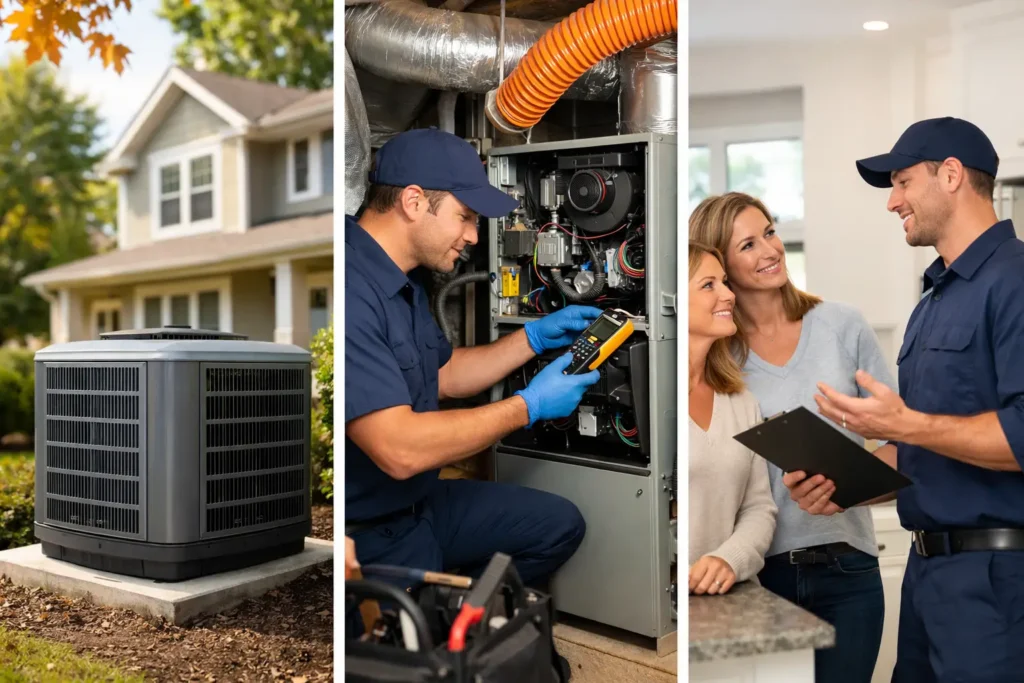
Columbus weather does not give heating and cooling equipment much of a break. A cool spring morning can turn into a warm afternoon, and the first hard freeze often arrives before many homeowners have thought about their furnace. This guide to seasonal HVAC maintenance helps you plan ahead, protect comfort, and catch small concerns before they become an inconvenient no-heat or no-cooling call.
Seasonal maintenance is not about trying to predict every repair. It is about making sure your system can start the season with clean airflow, safe operation, and a clear picture of its condition. A little attention in spring and fall is usually easier to schedule than service during the first major heat wave or cold snap.
Why seasonal HVAC maintenance matters
Your HVAC system moves a lot of air through your home, often for hours at a time. Dust, pet hair, pollen, leaves, and everyday wear can restrict airflow and put more strain on equipment. When airflow is poor, rooms may heat or cool unevenly, the system may run longer than expected, and your utility costs can rise.
Seasonal visits also give a technician an opportunity to inspect parts that homeowners should not diagnose on their own. Electrical connections, drainage, combustion-related components, and refrigerant performance all require a professional evaluation. The goal is straightforward: identify practical repairs or adjustments early, explain what is found clearly, and let you approve any work before it begins.
For homes in Columbus and nearby suburbs, the best timing is generally spring for air conditioning and early fall for heating. Exact timing depends on your schedule and the age of your equipment, but waiting until the system is already struggling usually limits your options.
Spring HVAC maintenance for air conditioning season
Before the first consistently hot days arrive, give your air conditioner a basic homeowner check. Start indoors with the filter. A clogged filter is one of the most common causes of weak airflow and can make an otherwise healthy system work harder. Check the filter monthly during heavy-use periods and replace it according to the manufacturer’s guidance or sooner if it looks dirty.
Next, look at supply and return vents throughout the house. Furniture, rugs, and storage bins should not block them. Closing too many vents can also disrupt airflow and does not always reduce energy use the way homeowners expect. If one room is consistently warmer than the rest, note it before your maintenance appointment. That information can help narrow down whether the issue is airflow, insulation, ductwork, thermostat placement, or equipment performance.
Outside, keep the area around the condenser clear of grass clippings, branches, mulch, and other debris. The unit needs room to move heat out of your home. Avoid covering it while it is operating or stacking items against it. You can gently clear loose debris from around the unit, but do not open electrical panels or attempt repairs yourself.
A professional spring maintenance visit may include an inspection of cooling performance, electrical components, thermostat operation, condensate drainage, and visible system condition. The technician can also look for signs of wear that may affect reliability during summer. If a repair is recommended, ask what problem it addresses, whether it is urgent, and what could happen if it is postponed. Clear answers make it easier to choose the right next step for your household and budget.
Do not ignore a slow drain line
Your air conditioner removes humidity as it cools your home. That moisture drains away through a condensate line. If the line becomes clogged, you may notice water near indoor equipment, musty odors, or an unexpected shutdown. A drainage issue is not always an emergency, but it should be addressed promptly to help avoid water damage and an interruption in cooling.
Keep an eye on your system during summer
Once the cooling season starts, your job is mostly observation. Pay attention to changes in sound, comfort, run time, and humidity. Air conditioning does not need to run silently, but banging, grinding, loud buzzing, or repeated clicking are reasons to schedule a professional assessment.
Watch for a system that runs almost continuously without bringing the home to the thermostat setting, particularly when temperatures are moderate. On very hot Columbus days, longer run times can be normal. The concern is a noticeable change from how the system usually performs. Warm air from vents, ice on refrigerant lines, frequent cycling, or water around indoor equipment also deserve a service call.
Avoid setting the thermostat dramatically lower in an effort to cool the house faster. The system cools at its normal rate, and an extreme setting can simply make it run longer. A steady, realistic temperature is usually more comfortable and easier on the equipment.
Fall furnace maintenance before cold weather arrives
Heating maintenance deserves the same attention as air conditioning, especially because a furnace problem can quickly affect safety and comfort. Schedule service before you need heat every day. This gives you time to address a concern before the first sustained cold spell fills appointment schedules.
At home, replace or check the filter, clear vents, and make sure the thermostat changes properly from cooling to heating. When you test the furnace for the first time, a brief dusty smell can be normal if the system has been idle for months. A persistent burning odor, unusual noise, or repeated failure to start is not something to ignore.
Keep the area around indoor heating equipment clear. Do not store paint, boxes, cleaning supplies, or other household items against it. If your home has carbon monoxide alarms, test them according to the manufacturer’s instructions and replace batteries when needed. These alarms are an essential layer of protection, but they are not a substitute for professional furnace maintenance.
During a fall appointment, a technician can inspect heating operation and safety-related components, check airflow, evaluate the thermostat, and identify visible wear. The details vary by system type and condition. Older equipment may need closer attention, while a newer system still benefits from routine checks that help preserve performance and warranty requirements.
Know the difference between maintenance and replacement planning
Maintenance can help extend equipment life, but it cannot make every aging system dependable forever. If your furnace needs frequent repairs, heats unevenly, makes recurring noises, or is nearing the end of its expected service life, it may be time to discuss replacement options.
That does not mean replacement is automatically the right answer. A repair may be reasonable when the issue is isolated and the rest of the system is in good condition. The right decision depends on the repair needed, system age, comfort concerns, efficiency goals, and your plans for the home. A professional should explain those trade-offs without pressure and provide pricing after evaluating the equipment and job conditions.
Winter habits that support reliable heat
In winter, continue checking filters and keep exterior vents free of snow, ice, leaves, or other obstructions. If you notice cold rooms, start by confirming that vents are open and unobstructed. Then check the thermostat setting and filter condition before scheduling service.
A furnace that turns on and off repeatedly, blows cool air, has a yellow flame where a blue flame is expected, or causes a carbon monoxide alarm to activate needs prompt attention. If a carbon monoxide alarm sounds, follow the alarm instructions, move everyone to fresh air, and contact emergency services when appropriate. Do not re-enter until it is safe to do so.
A year-round maintenance routine that stays manageable
You do not need a complicated spreadsheet to stay ahead of HVAC care. Set a recurring reminder to inspect the filter monthly, especially if you have pets, construction dust, allergies, or a busy household. Keep a simple note of filter changes, maintenance visits, repairs, and any comfort issues by room.
It also helps to pay attention to your energy bills. A higher bill can reflect severe weather or changing utility rates, but a sudden pattern of increased usage may point to an HVAC issue. Pair that observation with what you are feeling at home. Uneven temperatures, sticky indoor air, excessive dust, and noisy operation provide useful context for a technician.
For rental property owners and homeowners managing multiple residences, seasonal service is easier when it is planned before tenant complaints or extreme weather. Record equipment ages and model information, and make sure the person scheduling service can access the thermostat and equipment area. Basic preparation helps the appointment move efficiently.
When to call for HVAC service
Maintenance is best scheduled before the season, but some problems should not wait. Request service when your system will not start, shuts down repeatedly, leaks water, produces unusual odors or loud noises, or cannot keep your home reasonably comfortable. If you have a no-heat situation in cold weather or a safety concern, explain that when you call so the service team can confirm availability and the appropriate next steps.
Before work begins, you should understand what the technician found, what options are available, and the expected price for approved work. Transit & Flow focuses on clear communication, up-front options, and customer approval so homeowners can make repair decisions with less uncertainty.
The best seasonal maintenance plan is the one you can actually follow. Put spring cooling service and fall heating service on the calendar, change filters regularly, and call when the system starts behaving differently. That routine gives your home a better chance of staying comfortable when Central Ohio weather changes its mind again.
