
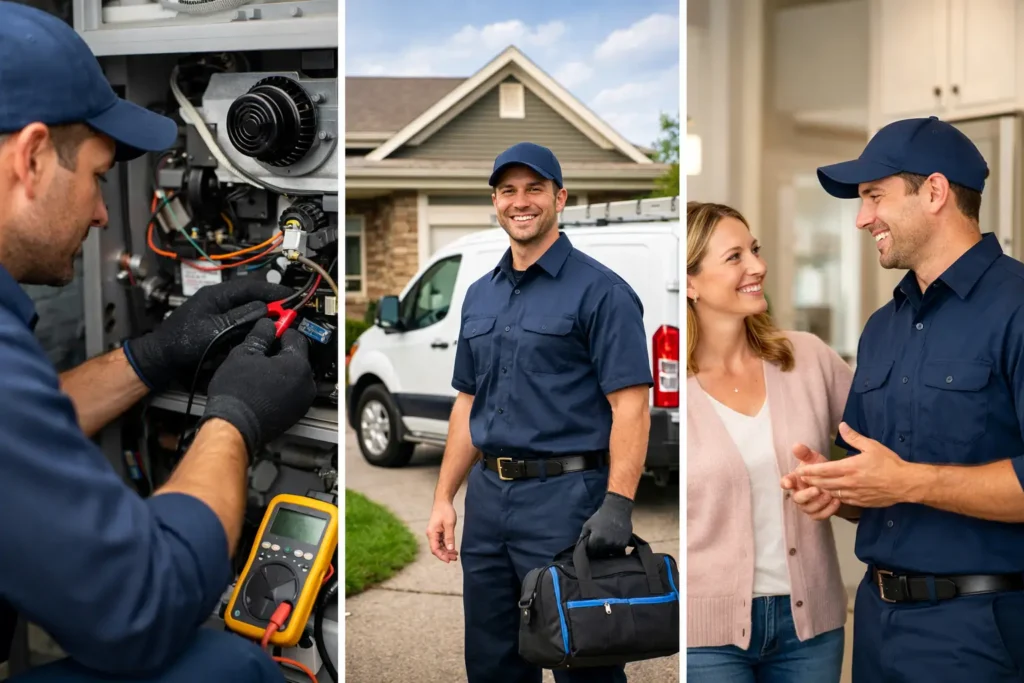
A furnace problem rarely arrives at a convenient time. It often starts with a house that feels cooler than usual, a system that runs without catching up, or a sudden silence when the heat should be on. When you need furnace repair Columbus homeowners can depend on, the goal is not just to get warm again. It is to understand what is happening, make a safe decision, and know what to expect before work begins.
For Columbus homeowners, a furnace can work especially hard through long stretches of cold weather. Small performance issues can become major comfort problems when temperatures drop. A prompt diagnostic visit can help identify whether the issue is a straightforward repair, a maintenance concern, or a sign that the system needs a more detailed conversation.
When Furnace Trouble Needs Attention
Some furnace issues are obvious. No heat, no airflow, or a system that will not turn on should be addressed quickly. Other signs are easier to ignore, particularly when the furnace still produces some heat. Waiting can sometimes turn a manageable repair into a longer interruption in service.
Watch for rooms that are consistently colder than the rest of the home, frequent cycling on and off, new banging or rattling sounds, weak airflow from supply vents, or a sharp increase in heating costs without a clear change in use. A furnace that runs continuously but cannot reach the thermostat setting also deserves attention. The issue may be related to airflow, controls, ignition, or a component that is no longer operating as it should.
Strange odors require a little context. A dusty smell may occur when a furnace first starts for the season, but it should fade. Persistent burning smells, electrical odors, or any concern about gas should not be brushed aside. If you smell gas, leave the home, avoid operating switches or appliances, and contact the gas utility or emergency services from a safe location. Do not attempt to restart the furnace.
What to Do Before Scheduling Furnace Repair in Columbus
Homeowners do not need to diagnose a furnace before calling for service. A few simple observations, however, can make the visit more efficient and help the technician understand the situation quickly.
Start by checking that the thermostat is set to heat and set above the current indoor temperature. Confirm that the furnace switch and electrical breaker have not been turned off. If you use a standard disposable air filter and can safely access it, look for heavy buildup. A clogged filter can restrict airflow and contribute to uneven heating or repeated shutdowns. Replacing a filter according to the manufacturer’s guidance is routine maintenance, but it will not solve every heating issue.
It is also useful to note when the problem began and what you have noticed. Did the furnace stop after making a noise? Does it work in the morning but struggle at night? Are all rooms affected, or only one area? These details help narrow the diagnostic process without asking you to do anything beyond normal homeowner checks.
Avoid repeatedly resetting the system or taking apart furnace panels to look for the problem. Modern heating equipment uses safety controls for a reason. Repeated restarts can mask the symptom, cause additional wear, or delay a repair that needs professional attention.
What a Professional Furnace Diagnostic Should Include
A reliable repair visit starts with listening. The technician should understand the symptoms, inspect the equipment, and explain the findings in clear terms. You should not be left guessing whether a recommendation is urgent, optional, or tied to a comfort concern that can be planned for later.
The diagnostic process may include checking the thermostat, electrical connections, ignition sequence, airflow, filters, drain components on high-efficiency systems, and accessible furnace parts. The exact scope depends on the equipment and the problem. A furnace that will not start calls for a different approach than one that runs but delivers weak heat.
After identifying the issue, the next step should be a straightforward recommendation. That means explaining what has failed or is underperforming, what the repair involves, and whether there are alternatives worth considering. At Transit & Flow, homeowners can expect clear communication and flat-rate pricing presented for approval before work begins. Final costs should always be confirmed after an inspection, based on the system, repair needs, access, and parts required.
Repair or Replacement: How to Make the Call
Not every furnace issue means replacement is necessary. Many common problems can be repaired when the system is otherwise in good condition and the repair makes practical sense. A failed ignition component, control issue, airflow restriction, or worn part may be a reasonable repair depending on the furnace’s age, maintenance history, and overall performance.
Replacement becomes a more meaningful discussion when repairs are frequent, the furnace has become unreliable, or efficiency and comfort have declined over time. Age matters, but it is not the only factor. A well-maintained older furnace may still be a practical candidate for repair, while a newer unit with repeated major issues may warrant a closer evaluation.
The best choice depends on the size of the repair, the expected condition of the system after that repair, and your plans for the home. If replacement is recommended, ask why it is being considered now and what repair option remains available, if one does. A dependable service provider should give you enough information to decide without pressure.
Why Fast Service Matters During a Columbus Cold Snap
When outdoor temperatures fall, a furnace problem affects more than comfort. Cold indoor conditions can be particularly difficult for households with young children, older family members, or anyone sensitive to cold. In severe weather, prolonged loss of heat can also increase the risk of plumbing concerns in vulnerable areas of the home.
That is why response time and communication matter. Same-day availability may be available for urgent heating needs, depending on technician availability, scheduling, access, and job conditions. It is better to call when you first recognize a performance problem than to wait for a complete failure during the busiest part of a cold spell.
If your furnace is operating but struggling, practical short-term steps include keeping interior doors open to support airflow, using safe layers and blankets, and closing curtains at night to reduce heat loss. Do not use ovens, grills, or unvented equipment to heat the home. Those methods create serious safety risks.
Preventing the Next Heating Interruption
Furnace maintenance cannot prevent every breakdown, but it can reduce avoidable surprises. Seasonal service gives a technician the opportunity to check operation before the system is under heavy winter demand. It can also reveal wear, airflow problems, and performance concerns while there is time to plan.
Between visits, change filters on an appropriate schedule for your household and filter type, keep supply and return vents unobstructed, and pay attention to changes in sound, cycling, or indoor comfort. If a room has always been colder than the rest of the house, the issue may not be the furnace alone. Ductwork, insulation, airflow balance, and thermostat placement can all affect comfort.
A maintenance plan may be useful for homeowners who prefer scheduled reminders, routine checks, and a more organized approach to HVAC upkeep. It is not the right fit for every household, but it can be helpful if tracking seasonal service tends to fall off the to-do list.
Choose Clarity When the Heat Is Off
Furnace repair should not feel like a guessing game. Whether your system has stopped completely or is showing early warning signs, focus on a provider that can explain the issue plainly, present options before work starts, and respect your approval at every step.
If your heat is unreliable, scheduling service early gives you more room to make a practical decision before the next cold Columbus night makes the problem more urgent.
