
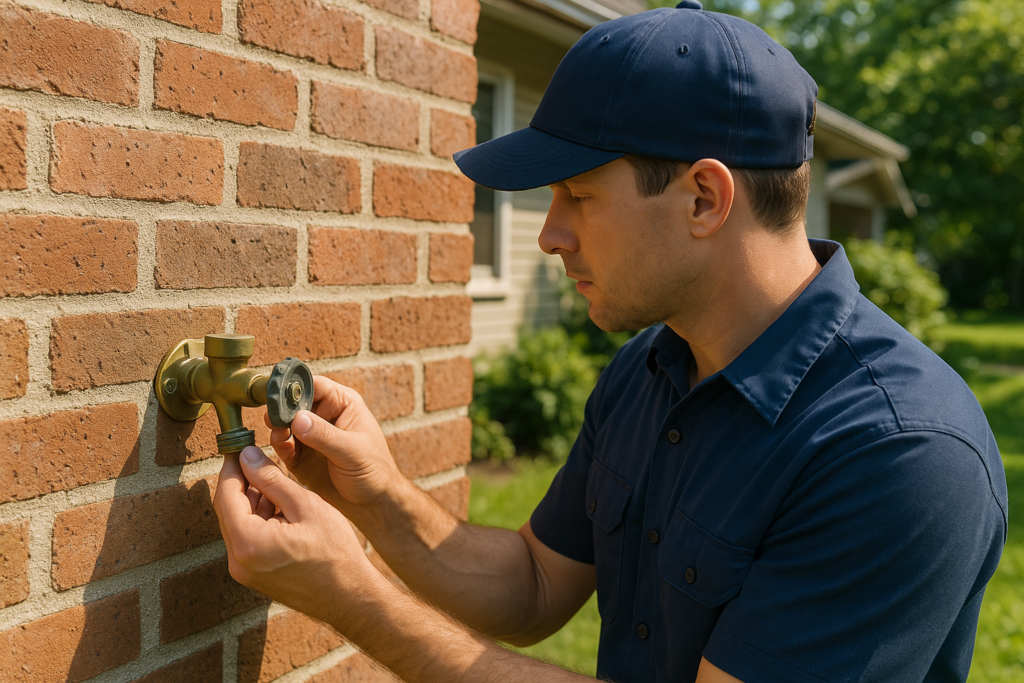
Quick Answer: Do You Need Hose Bib Repair or Replacement?
If your outdoor faucet is leaking, dripping when turned off, or shows signs of freeze damage, you likely need professional hose bib repair or replacement. A damaged hose bib can waste hundreds of gallons of water per month and, worse, cause hidden water damage inside your walls. For homes in Grandview Heights and across Columbus OH, the best course of action is to have a trained plumbing technician inspect the fixture, identify whether the valve stem, washer, or entire frost-free assembly needs attention, and complete the repair before the problem escalates.
Introduction: Why Hose Bib Problems Demand Attention in Columbus
Summer in Grandview Heights means garden hoses running, kids playing in sprinklers, and outdoor faucets working overtime. But what happens when you turn the handle on your hose bib and water sprays from the stem, drips after shutoff, or barely trickles out? For Columbus OH homeowners, a failing hose bib is more than an inconvenience. It can signal freeze damage from last winter, internal corrosion from Columbus’s mineral-rich municipal water, or a worn-out valve assembly that is one hard frost away from bursting inside your wall.
Transit & Flow provides professional hose bib repair and replacement across Grandview Heights, Upper Arlington, Clintonville, and the greater Columbus area. Whether your outdoor faucet leaks at the handle, behind the siding, or refuses to shut off completely, our trained technicians diagnose the root cause and fix it right the first time. Call Transit & Flow at 614-333-8092 to schedule your inspection today.
Key Takeaways
- A leaking hose bib can waste water, raise utility bills, and cause hidden wall damage.
- Columbus OH freeze-thaw cycles are the leading cause of hose bib failure in Grandview Heights homes.
- Frost-free hose bibs still fail when hoses are left connected over winter.
- Professional repair is recommended any time water leaks behind the siding or inside the wall.
- Transit & Flow offers same-day hose bib inspection and repair throughout Columbus OH.
Understanding Hose Bibs: The Primary Service Homeowners Overlook
A hose bib, also called an outdoor faucet, spigot, or sillcock, is the valve mounted on the exterior of your home that connects to your garden hose. Most homes in Grandview Heights built after the 1980s feature frost-free hose bibs, which have an elongated valve stem that extends eight to twelve inches into the heated interior of the home. This design places the actual shutoff point inside the wall where temperatures stay above freezing.
Despite this clever engineering, frost-free hose bibs are not immune to failure. Over time, the rubber washer at the end of the valve stem compresses, cracks, or hardens, allowing water to seep past even when the handle is fully closed. The vacuum breaker on top can crack, causing water to spray upward every time you turn the faucet on. And if a garden hose was left connected during a Columbus winter, trapped water can freeze, expand, and split the copper tube inside the wall, a problem you may not discover until you turn the water on in summer and find a stream running down your basement wall.
Transit & Flow technicians evaluate every component of the hose bib assembly, including the handle, packing nut, valve stem, washer, anti-siphon device, and the supply line connection inside the wall. We determine whether a simple washer replacement will solve the issue or whether the entire frost-free sillcock needs to be pulled and replaced with a modern, code-compliant unit.
Common Hose Bib Types in Columbus Homes
- Standard hose bib: A simple exterior valve with a short stem. Common in older Grandview Heights homes and particularly vulnerable to freeze damage.
- Frost-free sillcock: Features an extended stem that shuts off water inside the heated wall cavity. Standard in homes built after 1985.
- Yard hydrant: A freestanding post-style faucet used in larger lots. Less common in Grandview Heights but found in some Columbus-area properties with large yards.
Warning Signs and Symptoms of Hose Bib Failure
Catching hose bib problems early prevents expensive water damage. Watch for these symptoms at your Grandview Heights home.
- Dripping when turned off: Water continues to drip or stream from the spout after you close the handle completely. This usually indicates a worn washer or damaged valve seat.
- Leaking at the handle: Water seeps around the packing nut when the faucet is on. The packing washer or O-ring likely needs replacement.
- Spray from the vacuum breaker: Water shoots upward from the anti-siphon cap on top of the hose bib. The internal check valve or cap is cracked.
- Low water pressure: Mineral deposits or a partially closed interior shutoff valve restrict flow.
- Water stains on interior walls: This is the most serious sign. It suggests the hose bib tube has split inside the wall, often from freeze damage, and water is leaking into the structure.
- Handle spins freely: The valve stem has stripped or broken internally, making the faucet non-functional.
Root Causes of Hose Bib Damage in Grandview Heights
Freeze-Thaw Cycles
Columbus OH experiences wide temperature swings from November through March. Grandview Heights, with its mix of 1920s bungalows and mid-century ranch homes, sees hose bib failures every spring. The number one cause is a garden hose left connected over winter. Even a frost-free hose bib will freeze if trapped water cannot drain out of the tube.
Age and Wear
Rubber washers, O-rings, and packing materials degrade over time. A hose bib that has been in service for fifteen to twenty years will almost certainly need internal component replacement, if not full unit replacement.
Mineral Buildup
Columbus municipal water, sourced from the Scioto River and Hoover Reservoir, contains moderate levels of dissolved minerals. Over years, calcium and lime deposits can restrict flow, corrode valve seats, and prevent proper sealing.
Improper Installation
A frost-free hose bib must be pitched slightly downward toward the exterior so residual water drains out after each use. If installed level or pitched inward, water pools inside the tube and freezes in winter.
The Professional Repair Process
When you call Transit & Flow for hose bib repair in Grandview Heights or anywhere in Columbus OH, here is what to expect from our trained technicians.
- Exterior inspection: The technician examines the hose bib for visible damage, corrosion, leaks, and proper pitch.
- Interior access check: If the hose bib connects through a basement rim joist, the technician inspects the interior connection point for moisture, staining, or active leaks.
- Diagnostic testing: The technician operates the valve through full open and close cycles, checks for leaks at every point, and tests water pressure.
- Component evaluation: The washer, valve stem, packing nut, and vacuum breaker are individually assessed to identify the failing part.
- Repair or replacement recommendation: Based on findings, the technician provides a clear recommendation with transparent cost information before any work begins.
- Repair completion and testing: After completing the repair or replacement, the technician runs extended leak tests and verifies proper drainage pitch.
Cost Variables for Hose Bib Repair in Columbus OH
The cost of hose bib repair in Grandview Heights depends on several factors. Transit & Flow never quotes a fixed price without inspecting the specific situation, but here are the variables that influence the final cost.
- Type of repair: A simple washer or O-ring replacement is the least expensive repair. Full sillcock replacement costs more due to parts and labor.
- Accessibility: Hose bibs that pass through finished walls, tight crawl spaces, or areas with limited interior access require more time and may involve minor drywall work.
- Pipe material: Older Grandview Heights homes may have galvanized steel supply lines connecting to the hose bib. Transitioning to copper or PEX adds to the scope.
- Wall damage: If a burst hose bib has caused water damage behind the wall, additional remediation may be necessary.
- Code upgrades: Current plumbing code may require adding a vacuum breaker or backflow preventer that was not present on the original installation.
For a personalized estimate based on your situation, call Transit & Flow at 614-333-8092 or request an estimate online.
When to Call a Professional
Some hose bib issues are clearly beyond the scope of a homeowner fix. Call a professional plumber immediately if you notice any of the following.
- Water is leaking inside your wall or basement ceiling near the hose bib location.
- The hose bib handle will not turn or spins without engaging.
- You see bulging, discoloration, or ice damage on the exterior pipe.
- Multiple outdoor faucets have failed simultaneously, which could indicate a supply line issue.
- You suspect a burst pipe behind the siding from winter freeze damage.
Do not attempt to pull a frost-free sillcock out of the wall without professional guidance. The tube extends deep into the wall cavity, and improper removal can damage interior supply lines or create a larger leak. Call Transit & Flow at 614-333-8092 for fast, professional hose bib service in Grandview Heights and all of Columbus OH.
Safe Homeowner Checks
There are a few safe, non-invasive steps you can take before calling a professional.
- Disconnect garden hoses: Remove any hoses still attached to exterior faucets. This allows frost-free models to drain properly.
- Visually inspect for drips: Turn the hose bib on and off, watching for leaks at the spout, handle, and vacuum breaker.
- Check the interior shutoff valve: Many homes have a dedicated shutoff valve for exterior faucets located in the basement. Make sure it is fully open during summer use and that it does not leak.
- Look for water stains: Examine the interior wall and ceiling near the hose bib penetration for discoloration, bubbling paint, or dampness.
If any of these checks reveal a problem, stop and call a professional rather than attempting disassembly.
Repair Versus Replace: Making the Right Decision
Not every hose bib problem requires full replacement. Here is a general framework for deciding between repair and replacement.
Repair Is Usually Sufficient When
- The drip is caused by a worn washer or O-ring and the valve body is in good condition.
- The vacuum breaker cap is cracked but the sillcock tube is intact.
- The packing nut leaks but tightening or repacking resolves the issue.
Replacement Is Recommended When
- The copper or brass tube has split from freeze damage.
- The valve seat is corroded beyond resurfacing.
- The unit is a standard, non-frost-free hose bib in a climate like Columbus OH where freeze protection is essential.
- The fixture is more than twenty years old and has required repeated repairs.
- Code compliance requires a backflow-protected model that the current unit does not support.
Local Columbus Context: Grandview Heights and Seasonal Considerations
Grandview Heights is a charming, walkable neighborhood just west of downtown Columbus. Its housing stock includes a significant number of homes built between 1920 and 1960, many of which still have original plumbing penetrations, including older-style hose bibs that lack frost-free protection. Even homes that have been renovated may retain original exterior faucet installations if the upgrade was cosmetic rather than structural.
Columbus OH summers bring heavy outdoor water use. Watering gardens, filling kiddie pools, and washing cars all put stress on hose bibs that may have sustained hidden damage during the previous winter. July and August are peak months for discovering freeze damage from the prior cold season because that is when homeowners first turn on exterior faucets after months of dormancy.
The Columbus area typically experiences its first hard freeze in late October or early November. Transit & Flow recommends scheduling a hose bib inspection before the first frost to identify any units that need repair or replacement before winter sets in. Proactive winterization, including disconnecting hoses, closing interior shutoff valves, and draining residual water, is the single most effective way to prevent burst pipes and costly spring repairs.
Quality Comparison Checklist
When evaluating any plumbing provider for hose bib repair, consider the following criteria.
- Does the company inspect both the exterior fixture and the interior connection point?
- Do they test for proper drainage pitch on frost-free installations?
- Do they check for code-required backflow prevention?
- Do they provide a clear explanation and written estimate before starting work?
- Do they offer follow-up winterization services?
- Are technicians trained in both repair and full sillcock replacement?
- Do they guarantee their workmanship?
Transit & Flow meets every one of these standards for homeowners in Grandview Heights and throughout Columbus OH.
Frequently Asked Questions
What should I do first if my hose bib is leaking?
Turn off the interior shutoff valve for the exterior faucet, which is usually located in the basement near the rim joist. Then disconnect any attached garden hose. This stops water flow and prevents further damage while you arrange for professional repair. If you cannot locate the shutoff valve or the leak is inside the wall, call Transit & Flow at 614-333-8092 for immediate assistance.
What should I avoid doing with a damaged hose bib?
Do not attempt to force a stuck handle, as this can snap the valve stem inside the wall. Do not use pliers or channel locks to over-tighten the packing nut, which can crack the valve body. Never attempt to pull a frost-free sillcock out of the wall without professional experience, as the long tube passes through the wall cavity and connects to interior supply plumbing.
What affects the cost of hose bib repair?
The primary cost variables include the type of repair needed, whether a washer replacement or full sillcock swap, the accessibility of the interior connection, the pipe material, and whether any water damage has occurred behind the wall. Transit & Flow provides a transparent estimate before beginning any work.
When is a leaking hose bib an emergency?
A hose bib leak becomes an emergency when water is flowing into your wall cavity, basement, or crawl space. Active water intrusion can cause structural damage, mold growth, and electrical hazards. If you see water inside your home near an exterior faucet location, shut off the water supply and call a professional immediately.
When should I call a professional for outdoor faucet problems?
Call a professional any time the leak persists after closing the valve, when you see signs of interior water damage, when the handle does not function properly, or when the unit is old and has never been winterized. Attempting internal valve repairs without experience risks worsening the damage.
How can Transit & Flow help with hose bib repair?
Transit & Flow provides complete hose bib inspection, repair, and replacement services throughout Grandview Heights and Columbus OH. Our trained technicians evaluate the full assembly, diagnose the root cause, and complete the repair with professional-grade parts. We also offer seasonal winterization services to protect your outdoor faucets before the first freeze.
Maintenance Tips to Protect Your Hose Bib
- Disconnect all garden hoses before the first frost, typically late October in Columbus OH.
- Close the interior shutoff valve for exterior faucets each fall and open the exterior valve to drain residual water.
- Inspect the vacuum breaker cap each spring for cracks before turning on the water.
- Avoid overtightening the handle when shutting off the faucet, as excessive force accelerates washer wear.
- Schedule a professional plumbing inspection annually, especially if your Grandview Heights home has original plumbing fixtures.
Glossary
Shutoff Valve
A valve installed on a water supply line that allows you to stop water flow to a specific fixture, appliance, or section of plumbing. For hose bibs, the interior shutoff valve is typically located in the basement near where the pipe exits through the rim joist.
Frost-Free Hose Bib
Also called a frost-free sillcock, this is an outdoor faucet with an extended valve stem that places the water shutoff point inside the heated wall cavity. This design prevents freezing in cold climates like Columbus OH, provided no hose is left attached during winter.
Sillcock
Another name for an outdoor faucet or hose bib. The term specifically refers to a faucet that passes through the exterior wall of a building. Frost-free sillcocks have elongated stems ranging from six to fourteen inches.
Vacuum Breaker
An anti-siphon device installed on a hose bib to prevent contaminated water from being drawn back into the potable water supply. Most modern building codes in Columbus OH require vacuum breakers on all exterior faucet connections.
Schedule Your Hose Bib Repair in Grandview Heights Today
A leaking or damaged hose bib is not a problem that improves with time. Whether you are dealing with a slow drip, a broken handle, or water stains on your basement wall near an exterior faucet, Transit & Flow has the expertise to diagnose the issue and complete the repair efficiently. Our trained technicians serve Grandview Heights, Upper Arlington, Clintonville, Worthington, and all Columbus OH neighborhoods with professional plumbing service you can trust.
Call Transit & Flow today at 614-333-8092 to schedule your hose bib inspection, or request your free estimate online. Do not wait until the first freeze to discover a problem that could have been fixed this summer.
