
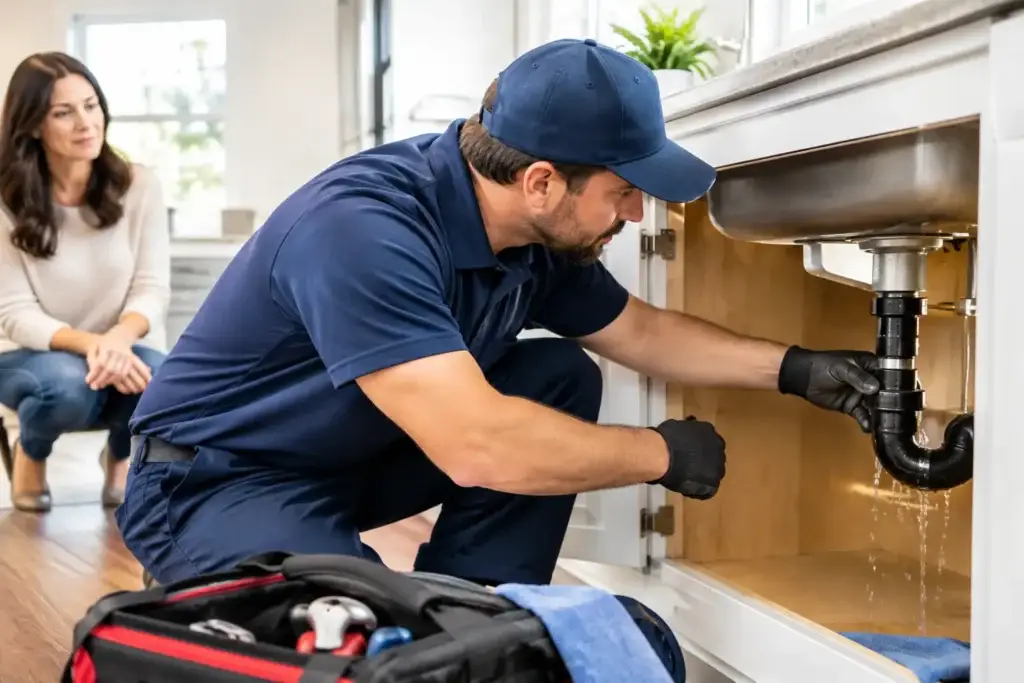
A slow bathroom sink is frustrating. Water rising from a floor drain, toilet, or shower is different. When wastewater is moving in the wrong direction, emergency drain service helps protect your home, limit cleanup, and identify the cause before the problem reaches another room.
For Columbus homeowners, drain emergencies often show up at the least convenient time: during a busy morning, after guests arrive, or overnight when a backup is discovered too late. The right response is calm, quick, and focused on stopping additional water from entering the system while a professional evaluates the situation.
What Counts as a Drain Emergency?
Not every clog needs an after-hours visit, but some symptoms should not wait for a convenient appointment. A drain issue becomes urgent when it creates a sanitation concern, causes active water damage, affects several fixtures, or makes a bathroom or kitchen unusable.
A toilet that overflows and will not stop, wastewater coming up through a shower drain, or a sink that backs up whenever the washing machine drains can point to a blockage farther along in the drain or sewer line. Multiple slow drains at once are also more concerning than one isolated sink clog. The location and pattern matter because they help narrow down whether the issue is in a fixture drain, a shared branch line, or the main sewer line.
Pay close attention to water where it should not be. A basement floor drain that bubbles or overflows, a tub filling while the toilet is flushed, or dark wastewater backing up in a lower-level shower needs prompt attention. These are not problems to cover up with a temporary drain cleaner and revisit later.
What to Do Before Emergency Drain Service Arrives
Your first goal is to prevent more water from entering the affected drain system. Stop using the fixtures connected to the backup. If the toilet is overflowing, remove the tank lid and close the flapper if it is still allowing water into the bowl. You can also close the toilet’s nearby shutoff valve if it is safe and accessible.
Avoid running dishwashers, washing machines, showers, or faucets until the problem has been assessed. In many homes, sending more water down any drain can make a main-line blockage appear in the lowest fixture, often a basement shower, utility sink, or floor drain.
Keep children and pets away from backed-up water. Wastewater can contain contaminants, and cleanup is safer when the affected area stays contained. If water is approaching electrical equipment or outlets, do not step into it or attempt to move electrical items. Move dry belongings away from the area only when doing so is safe.
It also helps to make a few simple observations for the technician. Note which fixtures are affected, whether the issue started after laundry or bathing, and whether you have seen recurring backups. Those details can speed up diagnosis without requiring you to take apart pipes or try risky repairs.
Why Chemical Cleaners Can Make a Bad Clog Worse
When a drain will not clear, it is tempting to pour in a chemical product. During an active backup, that can create a second problem. Chemicals may sit in standing water, splash during service, damage certain piping over time, or fail to reach the actual blockage if it is deep in the line.
A plunger may help with a simple toilet or sink stoppage, but it is not a solution for a suspected sewer backup. Repeated force can push contaminated water out of a fixture, and aggressive DIY tools can damage drain components or become stuck in the pipe.
The trade-off is straightforward: a small, isolated clog may respond to simple, safe measures, while multiple fixtures or wastewater backups call for professional equipment and a clear diagnosis. Waiting can mean more cleanup, more disruption, and more uncertainty about what is happening below the surface.
What a Professional Emergency Drain Visit Should Look Like
A dependable emergency drain service should make the next steps clear from the first conversation. The service team will ask about the symptoms, affected fixtures, access to the home, and any immediate hazards. That information helps determine the appropriate response and prepare for the type of drain issue involved.
Once on site, the technician should inspect the problem area and explain what they are seeing in plain language. Depending on the symptoms, service may involve clearing a fixture drain, addressing a branch-line blockage, or evaluating the main sewer line. For recurring or more complex issues, a camera inspection may be recommended to look for roots, damaged piping, buildup, or another obstruction inside the line.
The right repair depends on the cause. A drain that is blocked by buildup needs a different approach than a sewer line affected by tree roots or a pipe that has shifted or deteriorated. Clearing the immediate backup is often the priority, but understanding why it happened is what helps you make a practical decision about next steps.
Before work begins, ask for an explanation of the recommended service, the expected scope, and the flat-rate price for the approved work. A clear estimate allows you to decide with confidence instead of being surprised after the job is underway. If additional concerns appear during diagnosis, those should be explained and approved before any change in scope.
Signs the Problem May Be in Your Sewer Line
A main sewer line issue does not always start with a dramatic overflow. It can begin with gurgling toilets, water that drains slowly in more than one room, or a recurring clog that returns even after a fixture seems to clear. Homes with mature trees, older drain piping, or a history of sewer trouble may be more likely to experience repeat issues, though newer homes can have blockages too.
The strongest warning sign is cross-fixture backup. For example, flushing a toilet causes water to rise in a tub, or the washing machine drain triggers a basement floor drain overflow. That pattern suggests the blockage is beyond the individual fixture.
A sewer problem is not always on the homeowner’s portion of the line. The location of the blockage, local utility responsibilities, and the condition of the pipe all affect the answer. A professional evaluation gives you evidence to work from rather than assumptions, especially when a backup is recurring.
Reducing the Chance of Another Backup
Some drain emergencies are unavoidable, particularly when aging pipes or root intrusion are involved. Still, good daily habits can reduce the chance of common stoppages. Keep grease, coffee grounds, and food scraps out of kitchen drains. Use a screen to catch hair in showers and tubs, and flush only toilet paper and human waste.
If your home has experienced repeat drain problems, maintenance and inspection may be more useful than waiting for the next emergency. A technician can help determine whether periodic drain cleaning, a camera evaluation, or a repair plan makes sense for your home. There is no one-size-fits-all schedule because household size, pipe age, tree coverage, and previous backup history all matter.
For homes with a basement, it is also wise to know where the main water shutoff is located and keep the path to lower-level drains clear. These small preparations do not prevent every backup, but they can make a stressful situation easier to manage.
Emergency Drain Service in Columbus With Clear Next Steps
When wastewater is backing up, homeowners need more than a vague arrival window or unclear pricing. They need someone who can assess the issue, explain the options, and perform the approved work with care for the home. Transit & Flow provides 24/7 emergency plumbing response for homeowners in Columbus and surrounding communities, with clear communication and customer approval before work begins.
Availability, access, technician scheduling, and the condition of the drain line can affect the timing and scope of service. Still, acting early gives you the best chance to contain the problem and avoid a larger mess. If your drains are backing up, stop using affected fixtures, protect the area, and arrange a professional assessment before a manageable clog becomes a home-wide disruption.
