
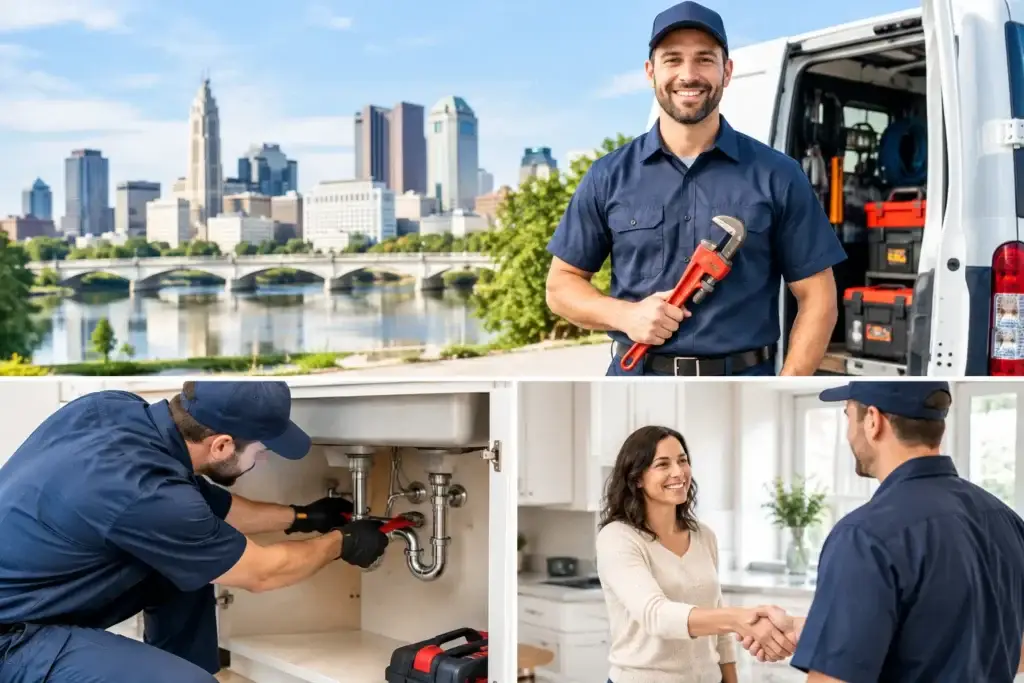
A pipe can burst at 2 a.m. A toilet can overflow just before guests arrive. A sewer backup can turn a normal afternoon into a situation that needs immediate attention. When you need an emergency plumber Columbus homeowners can rely on, the goal is simple: stop the damage where you safely can, get a clear assessment, and make an informed decision without added confusion.
Plumbing emergencies are stressful because water does not wait. The sooner the source is controlled and the problem is evaluated, the better the chance of protecting floors, walls, belongings, and the plumbing system itself.
What Counts as a Plumbing Emergency?
Not every plumbing concern requires an after-hours visit, but some problems should not be put off until a more convenient time. Active water leaks, sewage exposure, a major drain backup, and a complete loss of water in the home often need prompt professional attention.
Call for emergency plumbing service when you have:
- A burst pipe or an active leak that cannot be contained
- Sewage coming up through a drain, toilet, tub, or floor drain
- An overflowing toilet that will not stop or cannot be isolated
- No running water throughout the home when it is not tied to a known utility interruption
- A failed sump pump during heavy rain or rising water around the basement
- A water heater leak that is actively releasing water
A slow faucet drip, one mildly sluggish drain, or a toilet that runs occasionally may be frustrating, but those issues can often be scheduled during regular service hours. The right answer depends on the severity of the problem, whether water or sewage is actively spreading, and whether you can safely stop it at the source.
What to Do Before an Emergency Plumber Arrives
Your first priority is safety, not diagnosing the plumbing system. Avoid taking apart pipes, using harsh chemical drain products, or attempting repairs that could make the leak or backup worse.
If water is actively flowing and you know where the home’s main water shutoff is, turn it off if it is safe and easy to reach. For an overflowing toilet, close the small shutoff valve behind or below the toilet if accessible. If a single fixture is leaking, shutting off water to that fixture may be enough while you wait for help.
Move rugs, electronics, furniture, and other belongings away from the affected area if you can do so safely. Use towels or a container to limit clean-water spread, but do not handle sewage or contaminated water without proper protection. If water is near electrical outlets, appliances, or a panel, stay clear of the area and address the immediate safety concern first.
A few details will also help speed up the service visit. Note where the water is coming from, when it started, whether multiple drains are involved, and what you have already done. Photos can be helpful if they can be taken safely. Clear information helps the technician arrive prepared and gives you a better starting point for the conversation.
Emergency Plumber Columbus Response: What Good Service Looks Like
During an urgent repair, clear communication matters as much as quick arrival. You should know what happens next, what the technician finds, and what options are available before work begins.
A professional emergency visit generally starts with an assessment of the immediate issue and any related conditions. For example, a backup in a first-floor toilet may be a local clog, but it can also point to a larger drain or sewer line concern. A visible ceiling leak may come from plumbing above, but the source and path of the water are not always the same. A proper diagnosis helps prevent a temporary patch from becoming a repeat emergency.
After identifying the likely cause, the technician should explain the recommended repair in straightforward terms. Ask what is causing the issue, what needs to be done now to control it, whether there are options, and whether any follow-up work should be planned. Up-front, flat-rate pricing provides clarity, but final recommendations should always account for the conditions found on site and receive your approval before work starts.
For some emergencies, the first visit focuses on stopping active damage and restoring safe use of the plumbing. A more extensive repair or replacement may need to be scheduled after materials, access, and the full scope of work are confirmed. That is not a delay for its own sake. It is often the practical way to make sure the repair addresses the real issue rather than only the symptom.
Common Columbus Plumbing Emergencies
Central Ohio homes face a mix of older plumbing systems, changing weather, and heavy seasonal rain. Those conditions can contribute to urgent calls, especially when a small issue has been developing out of sight.
Frozen or burst pipes are a serious concern during cold stretches. Pipes located near exterior walls, crawl spaces, garages, and unheated areas are often more vulnerable. Water heater problems also tend to become urgent quickly when a tank leaks, hot water disappears, or the unit shows signs of failure.
Drain and sewer backups are another common reason homeowners call for help. When more than one fixture is backing up, when flushing a toilet affects a tub or shower, or when sewage appears at a low drain, the issue may extend beyond one fixture. Avoid repeatedly running water or flushing to test it. Continued use can push more wastewater into the home.
Basement water concerns can be especially stressful during storms. A sump pump that fails, runs continuously, or cannot keep up should be assessed promptly. The best next step depends on the cause, the amount of water involved, and whether the pump, discharge line, float, power supply, or drainage conditions are part of the problem.
How to Choose the Right Emergency Plumbing Help
When time is tight, it is tempting to choose the first available option without asking questions. Availability matters, but so do communication, process, and accountability.
Look for a local provider that explains its response process, offers clear scheduling updates, and gives you the opportunity to approve work before repairs begin. You should not have to guess whether a technician is on the way, what they found, or why a specific repair is being recommended.
It also helps to choose a company that can support more than the immediate moment. A recurring backup, aging water heater, deteriorated pipe, or unreliable sump pump may need a practical long-term plan after the emergency is under control. That plan should reflect your home’s condition and priorities, not a one-size-fits-all recommendation.
Transit & Flow provides 24/7 emergency plumbing response for homeowners across Columbus and surrounding communities, with a focus on clear communication, straightforward recommendations, and customer approval before work begins. Same-day availability may be possible depending on technician availability, access, materials, and the conditions at the home.
Preventing the Next Plumbing Emergency
Some emergencies cannot be predicted, but routine attention can reduce the chance of a surprise. Watch for recurring drain clogs, changes in water pressure, rust-colored water, moisture around a water heater, unexplained increases in your water bill, or a sump pump that cycles oddly. Small warning signs are often easier and less disruptive to address before they become urgent.
If your home has older plumbing, a history of backups, or a water heater near the end of its service life, planned maintenance and timely diagnostics can provide useful answers. The goal is not to replace equipment unnecessarily. It is to understand what is working, what is wearing out, and what deserves attention before it disrupts your home.
When water is spreading or sewage is backing up, act calmly: protect people and property, stop the water if it is safe to do so, and get qualified help. A clear plan in the first few minutes can make a difficult plumbing problem far more manageable.
