
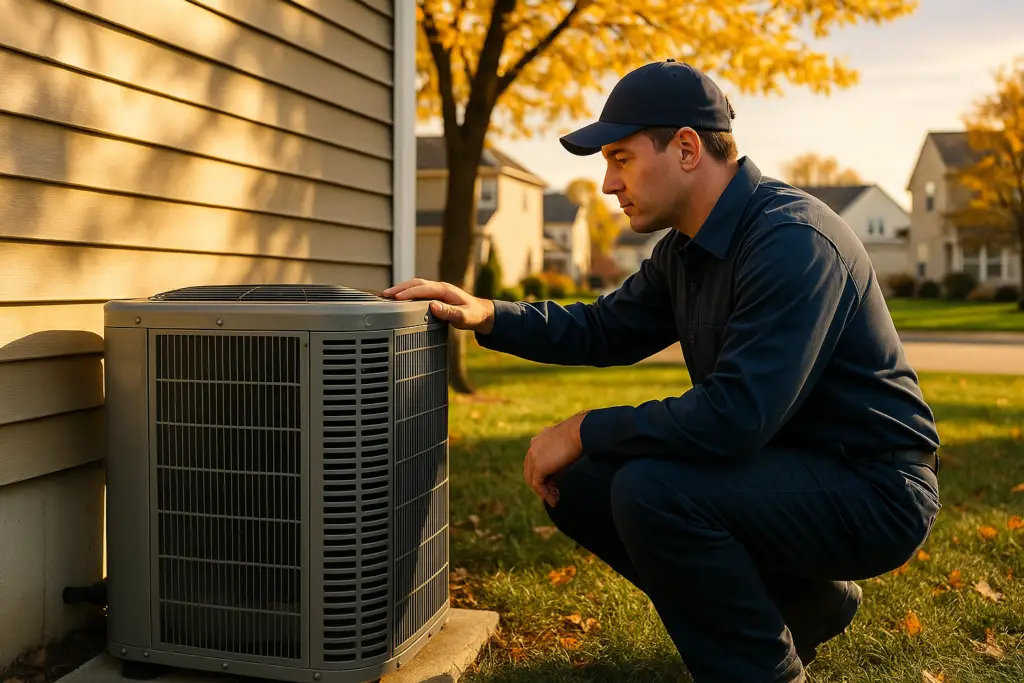
What Should You Do When Your AC Stops Working in Reynoldsburg or Columbus?
If your air conditioner stops cooling your Reynoldsburg or Columbus OH home, start by checking your thermostat settings and air filter before calling a professional. A dirty filter, tripped breaker, or thermostat malfunction accounts for a large share of AC failures. If those basic checks do not restore cooling, or if you notice unusual noises, ice on the unit, or warm air blowing from vents, call Transit & Flow at 614-333-8092 for prompt, professional AC repair service across the Columbus metro area.
Introduction: Why AC Problems Demand Fast Attention in Columbus
Central Ohio weather can be unpredictable. Reynoldsburg and the greater Columbus area experience humid summers that push residential cooling systems to their limits, but fall brings its own challenges. When temperatures still climb into the upper 70s and low 80s during early October, a failing AC unit leaves your home uncomfortable and can even create indoor air quality problems. Homes in Reynoldsburg, Blacklick, and eastern Franklin County often rely on aging HVAC systems that were installed during the housing booms of the early 2000s, meaning equipment may be approaching or past its expected service life.
Whether your AC is blowing warm air, cycling on and off, or making grinding sounds, the root cause matters. Diagnosing it incorrectly can lead to wasted money on the wrong repair. Transit & Flow serves homeowners throughout Columbus OH and Reynoldsburg with professional cooling service designed to get your system running efficiently again. Call 614-333-8092 to schedule a diagnostic visit, or request an estimate online.
Key Takeaways
- Most AC failures in Reynoldsburg and Columbus homes trace back to a handful of common, diagnosable causes.
- Some quick homeowner checks are safe to perform, but refrigerant, electrical, and compressor issues require a trained technician.
- Repair costs vary widely based on the root cause, age of your system, and parts availability.
- Fall is an ideal time to address lingering AC issues before winter heating season begins.
- Transit & Flow provides professional AC repair and diagnostics across Columbus OH and Reynoldsburg with no hidden fees.
Warning Signs Your AC Needs Professional Repair
Recognizing the early warning signs of AC trouble can prevent a minor issue from becoming a major system failure. Homeowners in Reynoldsburg and Columbus should watch for the following symptoms.
Warm or Inconsistent Airflow
If your vents are blowing air that feels lukewarm or room temperature instead of cool, the system may have a refrigerant issue, a failing compressor, or a problem with the evaporator coil. Inconsistent temperatures between rooms often point to ductwork leaks or a blower motor that is losing efficiency.
Short Cycling
When your AC turns on for just a few minutes, shuts off, and then starts again shortly after, this is called short cycling. It puts enormous stress on the compressor and drastically increases energy bills. Common causes include an oversized unit, a dirty condenser coil, or a malfunctioning thermostat.
Unusual Noises
Grinding, squealing, buzzing, or banging sounds from your indoor or outdoor unit are never normal. These often indicate a loose component, a failing motor bearing, or debris inside the condenser unit. Ignoring these sounds usually leads to more expensive repairs down the line.
Ice Buildup on the Unit
Ice forming on your evaporator coil or refrigerant lines is a clear sign of restricted airflow or a refrigerant leak. Running the system while ice is present can damage the compressor, which is one of the most expensive components to replace.
Higher Than Normal Energy Bills
A sudden spike in your electric bill during cooling season, without a change in usage habits, suggests your AC is working harder than it should. This could be caused by a dirty filter, failing capacitor, or duct leaks that force the system to run longer cycles.
Moisture or Leaks Near the Indoor Unit
Water pooling around your furnace or air handler usually indicates a clogged condensate drain line. While not immediately dangerous, standing water can cause mold growth and water damage to floors and drywall if left unaddressed.
Root Causes of AC Failure in Columbus and Reynoldsburg Homes
Understanding why your air conditioner fails helps you make informed decisions about repair versus replacement. Here are the most common root causes that Transit & Flow technicians encounter in the Reynoldsburg and Columbus area.
Dirty or Clogged Air Filters
A clogged air filter is the single most common cause of reduced cooling performance. When airflow is restricted, the evaporator coil can freeze, the blower motor works harder, and the system may shut down on a safety limit. Most residential systems need filter changes every 30 to 90 days depending on household factors like pets and allergies.
Refrigerant Leaks
Your AC does not consume refrigerant the way a car burns fuel. If refrigerant levels are low, there is a leak somewhere in the system. Refrigerant handling is regulated by the EPA, and only trained HVAC professionals should diagnose and repair refrigerant leaks. Never attempt to add refrigerant yourself.
Thermostat Malfunction
A faulty thermostat can send incorrect signals to your HVAC system, causing it to short cycle, run continuously, or fail to start. Battery-powered thermostats may simply need fresh batteries. Smart thermostats can develop software or wiring issues that require professional troubleshooting.
Electrical Component Failure
Capacitors, contactors, and relays are electrical components that wear out over time. A failed capacitor is one of the most common reasons an AC unit hums but does not start. Electrical repairs should always be performed by a trained technician due to the risk of shock or fire.
Compressor Failure
The compressor is the heart of your air conditioning system. When it fails, the decision often comes down to repair versus full system replacement, especially if the unit is more than 10 to 12 years old. Compressor failure can result from electrical issues, refrigerant problems, or simply age-related wear.
Condensate Drain Blockage
Columbus area humidity contributes to algae and biofilm growth inside condensate drain lines. A blocked drain triggers a safety float switch that shuts down the system to prevent water damage. Regular drain line maintenance prevents this common issue.
What a Professional AC Diagnostic Looks Like
When you call Transit & Flow for AC repair in Columbus OH or Reynoldsburg, here is what to expect from a professional diagnostic visit.
- System Interview: The technician asks about your symptoms, when they started, and any recent changes to your home or system.
- Thermostat Evaluation: Settings, wiring, calibration, and communication with the HVAC system are verified.
- Electrical Testing: Voltage, amperage, and capacitor readings are taken at the indoor and outdoor units to identify failing components.
- Refrigerant Check: Pressures are measured to determine if the system is properly charged and to identify potential leaks.
- Airflow Assessment: The technician checks the filter, blower motor, evaporator coil, and ductwork for restrictions.
- Condensate Drain Inspection: The drain line is checked for blockages and proper flow.
- Outdoor Unit Inspection: The condenser coil, fan motor, and electrical connections are inspected for damage, debris, or wear.
- Findings and Recommendations: You receive a clear explanation of the problem, your options, and transparent cost information before any work begins.
Cost Variables for AC Repair in Reynoldsburg and Columbus OH
AC repair costs depend on several factors, and no responsible company should quote a fixed price without diagnosing the issue first. Here are the primary variables that affect what you will pay.
- Type of Repair: A capacitor replacement costs significantly less than a compressor replacement or evaporator coil repair.
- Parts Availability: Older or discontinued models may require special-order parts, which adds time and cost.
- Refrigerant Type: Systems using R-22 refrigerant, which was phased out in 2020, face substantially higher refrigerant costs compared to newer R-410A or R-454B systems.
- System Age: Repairs on older systems may not be cost-effective if the unit is near the end of its service life.
- Warranty Status: Some parts may still be under manufacturer warranty, reducing your out-of-pocket cost.
- Time of Service: Emergency and after-hours calls may carry different rates than standard business-hour appointments.
Transit & Flow provides upfront pricing after diagnosis so you can make an informed decision. Call 614-333-8092 to discuss your situation with a knowledgeable team member.
When to Call a Professional for AC Repair
Some AC issues are straightforward enough for a homeowner to troubleshoot safely. However, the following situations require immediate professional attention.
- Your AC unit will not turn on after checking the thermostat and breaker.
- You notice a burning smell or see sparks near any HVAC component.
- Ice is forming on the indoor coil or refrigerant lines.
- The system is leaking refrigerant, which may appear as an oily residue near line connections.
- Your outdoor unit is making loud grinding or screeching sounds.
- You suspect an electrical issue, including a tripped breaker that continues to trip when reset.
- Your home has not reached the set temperature after several hours of continuous operation.
Do not attempt to open electrical panels, handle refrigerant, or disassemble any part of your HVAC system. These tasks carry serious safety risks and require professional training and equipment.
Safe Homeowner Checks Before Calling for Service
Before scheduling a service call, these quick, non-hazardous checks may resolve simple issues or help your technician diagnose the problem faster.
- Check the thermostat: Ensure it is set to COOL mode and the target temperature is set below the current room temperature. Replace batteries if applicable.
- Inspect the air filter: A visibly dirty or clogged filter should be replaced. This alone resolves many airflow-related problems.
- Verify the breaker: Check your electrical panel to see if the HVAC breaker has tripped. Reset it once. If it trips again, stop and call a professional.
- Look at the outdoor unit: From a safe distance, check whether the condenser fan is spinning when the system is running. Remove any visible debris like leaves or grass clippings from around the unit.
- Check your vents: Make sure all supply and return vents are open and unobstructed by furniture, rugs, or curtains.
Repair Versus Replace: Making the Right Decision
Deciding between repairing your current AC system and investing in a replacement is one of the biggest decisions a homeowner faces. Here are factors to consider.
When Repair Makes Sense
- The system is less than 10 years old and has been well maintained.
- The repair involves a common, affordable component like a capacitor, contactor, or fan motor.
- The system uses modern refrigerant such as R-410A.
- The unit has had few or no previous major repairs.
When Replacement Makes Sense
- The system is 12 to 15 years old or older.
- The repair cost exceeds 50 percent of the cost of a new system.
- The unit uses R-22 refrigerant, which is increasingly expensive and difficult to obtain.
- You have needed multiple repairs in the past two to three years.
- Your energy bills have been steadily increasing despite regular maintenance.
Transit & Flow helps homeowners in Reynoldsburg and Columbus make informed repair-versus-replace decisions with honest assessments and no pressure sales tactics.
Local Columbus and Reynoldsburg Context
Reynoldsburg sits on the eastern edge of the Columbus metro area in Franklin and Licking counties. Homes here range from mid-century ranch-style builds to newer developments in the Blacklick and Pickerington corridor. Many of these homes feature central AC systems installed during original construction, and those systems may now be 15 to 20 years old.
Columbus area water quality, including mineral content, can affect condensate drain lines over time, contributing to blockages. The region’s clay-heavy soil also impacts outdoor unit drainage and can cause settling that affects refrigerant line connections. Seasonal pollen from central Ohio’s tree canopy contributes to faster filter clogging and condenser coil fouling.
Fall is an ideal time to address AC repairs in Columbus. Demand for cooling service decreases as temperatures drop, which often means faster scheduling and more availability. Addressing a known issue now also ensures your system is ready for the occasional warm day that extends into late October, and positions your HVAC system for a smooth transition into heating season.
Quality Comparison Checklist for Choosing an HVAC Service Provider
When evaluating any HVAC company for AC repair in Reynoldsburg or Columbus, consider the following quality indicators.
- Does the company provide a clear diagnostic process before recommending repairs?
- Are pricing and repair options explained before work begins?
- Does the technician show you the failed component and explain the issue?
- Is the company responsive and easy to reach by phone?
- Do they offer both repair and replacement options without pressure?
- Are their technicians professionally trained and equipped with modern diagnostic tools?
- Do they serve your specific neighborhood within the Columbus metro?
- Do they stand behind their work with a clear warranty or guarantee?
Frequently Asked Questions About AC Repair in Columbus OH and Reynoldsburg
What should I do first when my AC stops working?
Start with safe basic checks: verify your thermostat is set to COOL, replace a dirty air filter, and check your electrical breaker. If these steps do not restore cooling, call Transit & Flow at 614-333-8092 for a professional diagnostic.
What should I avoid doing when my AC is not working?
Never attempt to handle refrigerant, open sealed electrical compartments, or repeatedly reset a breaker that keeps tripping. These actions can cause injury, void warranties, or lead to more expensive damage. Always call a trained professional for electrical, refrigerant, or compressor issues.
What factors affect the cost of AC repair?
The main cost variables include the type of component that failed, your system’s age and refrigerant type, parts availability, warranty coverage, and whether the service call is during standard hours or an emergency. Transit & Flow provides upfront pricing after diagnosis.
When is an AC problem considered an emergency?
An AC issue is an emergency if you smell burning, see sparks, notice a breaker that repeatedly trips, or if vulnerable household members such as elderly residents or infants are at risk from excessive indoor heat. In these situations, turn off the system and call for immediate help.
When should I call a professional instead of troubleshooting myself?
If basic checks like filter replacement and thermostat adjustment do not fix the problem, it is time to call a professional. Any issue involving electrical components, refrigerant, compressor function, or ice buildup requires trained expertise and specialized equipment.
How can Transit & Flow help with AC repair in Reynoldsburg?
Transit & Flow provides comprehensive AC diagnostics and repair for homeowners across Reynoldsburg and the greater Columbus OH area. Our trained technicians identify the root cause, explain your options clearly, and complete repairs with professional-grade equipment. Call 614-333-8092 or visit transitflowplumbing.com/estimate to get started.
Maintenance Tips to Prevent Future AC Problems
- Replace your air filter every 30 to 90 days based on household conditions.
- Keep the area around your outdoor condenser unit clear of vegetation, debris, and stored items by at least two feet on all sides.
- Schedule a professional maintenance visit each spring before cooling season begins.
- Keep your condensate drain line clear by having it inspected during annual maintenance.
- Avoid closing more than 20 percent of your supply vents, as this can create pressure imbalances that stress the system.
- Consider upgrading to a programmable or smart thermostat to reduce unnecessary runtime and improve efficiency.
Glossary of HVAC and Home Service Terms
AC (Air Conditioning)
A mechanical system that removes heat and moisture from indoor air to maintain a comfortable temperature. Central AC systems use an indoor evaporator coil and an outdoor condenser unit connected by refrigerant lines.
Refrigerant
A chemical compound that circulates through your AC system, absorbing heat from indoor air and releasing it outdoors. Common types include R-22, which is being phased out, and R-410A, which is standard in newer systems.
Compressor
The component in the outdoor unit that pressurizes refrigerant to facilitate the heat exchange cycle. Compressor failure is one of the most significant and costly AC repairs.
Evaporator Coil
The indoor coil where refrigerant absorbs heat from the air passing over it. A dirty or frozen evaporator coil is a common cause of reduced cooling.
Condensate Drain Line
A pipe that carries moisture removed from indoor air by the evaporator coil to a drain or outdoors. Blockages in this line can cause water damage and system shutdowns.
Short Cycling
A condition where the AC unit turns on and off in rapid, incomplete cycles. Short cycling increases wear on the compressor and reduces efficiency.
Schedule Your AC Repair in Reynoldsburg or Columbus OH Today
If your air conditioner is not performing the way it should, waiting only makes the problem worse and often more expensive. Transit & Flow provides professional AC repair and diagnostics throughout Reynoldsburg, Columbus, and the surrounding communities. Our trained technicians arrive equipped to diagnose the issue, explain your options, and complete the repair with quality workmanship you can count on.
Call Transit & Flow today at 614-333-8092 to schedule your service visit, or book your estimate online. Do not let a failing AC system compromise your comfort or safety. Get the expert help you need from a team that puts Columbus homeowners first.
