
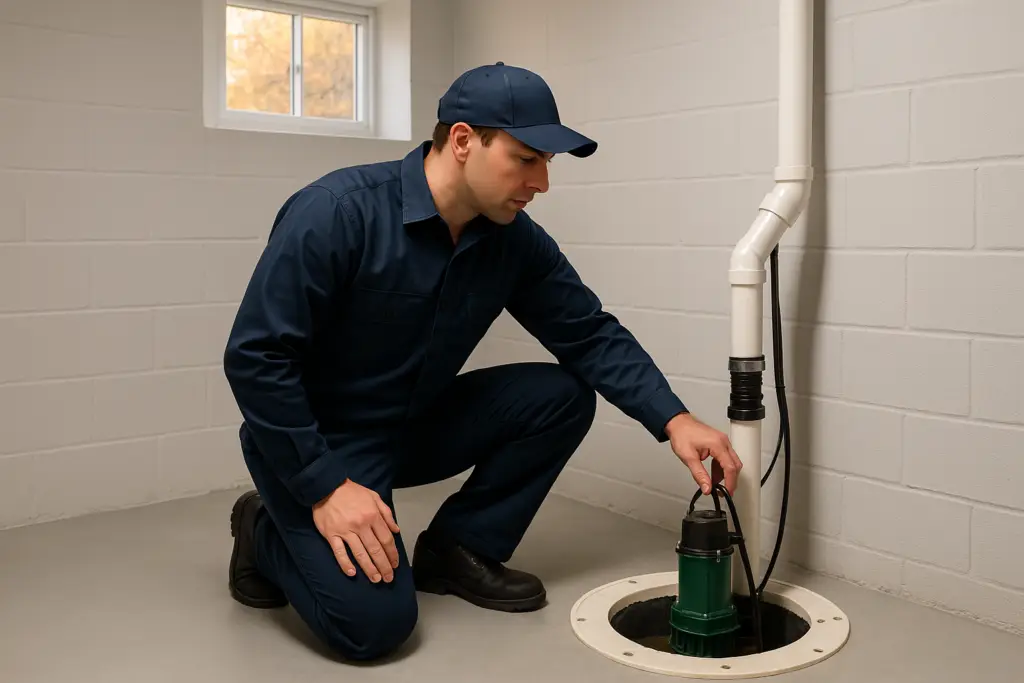
Quick Answer: Sump Pump Repair in Worthington and Columbus OH
If your sump pump is running continuously, making unusual noises, or failing to remove water from your basement, you need professional sump pump repair as soon as possible. The best emergency plumbing services in Columbus, Ohio, respond quickly, diagnose the root cause, and offer transparent repair or replacement options. Transit & Flow provides fast sump pump repair throughout Worthington and the greater Columbus OH area.
Introduction: Why Worthington Homeowners Need Reliable Sump Pumps This Fall
Fall in Worthington brings cooler temperatures, falling leaves, and something many homeowners forget about until it is too late: heavy seasonal rainfall. As October storms roll through central Ohio, your sump pump becomes the first line of defense against basement flooding. When that critical piece of equipment fails, the consequences can be devastating, including water damage, mold growth, ruined belongings, and costly structural repairs.
Worthington sits in an area of Columbus where clay-heavy soils and a relatively high water table put extra pressure on residential drainage systems. If you have noticed your sump pump cycling on and off erratically, running nonstop, or sitting silently during a downpour, it is time to act before water starts pooling on your basement floor.
Call Transit & Flow at 614-333-8092 right now for same-day sump pump repair in Worthington and throughout the Columbus OH metro area. Our trained technicians respond fast, diagnose the problem accurately, and get your basement protection back online.
Key Takeaways
- A failing sump pump can lead to severe basement flooding, especially during heavy fall rain in the Columbus area.
- Common causes of sump pump failure include power loss, stuck float switches, clogged discharge lines, and burned-out motors.
- Worthington homes face elevated risk due to local soil composition and water table levels.
- Professional sump pump repair from Transit & Flow includes full diagnostic testing, not just a quick reset.
- A backup sump pump adds a critical second layer of flood protection.
- Cost depends on the nature of the repair, pump age, and whether a full replacement is warranted.
Understanding Sump Pump Systems and How They Protect Your Home
A sump pump is installed in a pit, called a sump basin, typically located in the lowest point of your basement or crawl space. As groundwater rises, it flows into the basin through perimeter drain tiles or natural seepage. When the water level reaches a certain height, the float switch activates the pump motor, which pushes the water through a discharge line and away from your foundation.
In Worthington and surrounding Columbus neighborhoods, most homes rely on a submersible sump pump, which sits inside the basin below the waterline. Some older homes use pedestal-style pumps, where the motor sits above the basin. Both types are effective when maintained properly, but both can fail for a variety of reasons, especially when the fall rainy season puts them under sustained demand.
A well-functioning sump pump system includes several key components: the pump unit itself, the float switch or pressure sensor, the check valve on the discharge pipe, the discharge line routing water away from the foundation, and ideally, a backup sump pump that activates if the primary unit fails or loses power. Understanding these components helps homeowners recognize when something is going wrong.
Warning Signs Your Sump Pump Needs Repair
Recognizing the early symptoms of sump pump trouble can save you thousands of dollars in water damage. Watch for these warning signs, especially as fall storms increase in frequency across the Columbus OH area.
Continuous or Frequent Cycling
If your sump pump runs constantly or turns on and off every few minutes, even when there has been no recent rain, the float switch may be stuck, the check valve could be failing, or the pump may be undersized for your home’s drainage needs.
Strange Noises
Grinding, rattling, or screeching sounds coming from the sump basin typically indicate a damaged impeller, worn bearings, or debris caught inside the pump housing. These sounds mean mechanical failure is imminent.
Visible Water in the Basement
Any standing water near the sump pit, along basement walls, or on the floor during or after a rainstorm is a clear signal that the pump is not keeping up with water infiltration.
Foul Odors
Musty or sewage-like smells emanating from your basement can indicate stagnant water sitting in the basin because the pump is not activating, or that the discharge line has a blockage forcing water to back up.
Pump Does Not Turn On
If you pour water into the basin and the pump fails to activate, the issue could be electrical, a failed float switch, or a burned-out motor. This is the most urgent warning sign because your home has zero flood protection.
Vibrating Excessively
A pump that vibrates heavily when running has likely sucked in hard debris that bent or damaged the impeller. Once the impeller is compromised, the pump loses efficiency rapidly.
Root Causes of Sump Pump Failure in Worthington
Understanding why sump pumps fail helps you make informed decisions about repair versus replacement. Here are the most common root causes that Transit & Flow technicians encounter in Worthington and Columbus OH homes.
Power Interruption
Fall storms frequently knock out power across central Ohio. Without electricity, your sump pump cannot run. This is why a battery-operated backup sump pump is such a valuable investment for Worthington homeowners.
Float Switch Malfunction
The float switch is the mechanism that tells the pump when to turn on. Over time, it can become tangled, stuck against the basin wall, or mechanically worn. A faulty float switch is one of the most common causes of both pump failure and continuous cycling.
Clogged or Frozen Discharge Line
The discharge pipe carries water away from your foundation. In fall, leaves and debris can clog the outdoor discharge point. As temperatures drop toward late October and November in Columbus, discharge lines routed too close to the surface can freeze, trapping water and burning out the pump motor.
Overwhelmed Pump Capacity
Some Worthington homes, particularly those in lower-lying areas near the Olentangy River corridor, experience higher-than-average groundwater pressure. If the original builder installed a pump that is too small for the home’s actual drainage load, the unit will wear out prematurely.
Age and Wear
The average sump pump lifespan ranges from seven to ten years. If your pump is approaching or past that window, internal components like the impeller, bearings, and seals degrade to the point where repair is no longer cost-effective.
Improper Installation
A sump pump that was not installed correctly, including missing check valves, inadequate basin size, or poorly routed discharge lines, will experience chronic problems that no amount of repair can permanently solve.
What a Professional Sump Pump Repair Looks Like
When a Transit & Flow technician arrives at your Worthington home for sump pump repair, the process is thorough and transparent.
- Visual and operational inspection: The technician examines the pump, basin, float switch, check valve, and discharge line for visible damage or obstruction.
- Electrical testing: Power supply, GFCI outlet function, and wiring connections are tested to rule out electrical causes.
- Float switch test: The float switch is manually activated to verify it triggers the pump at the correct water level.
- Flow and discharge test: Water is introduced into the basin to verify the pump activates, moves water at the proper rate, and discharges it away from the home without backflow.
- Component diagnosis: Based on findings, the technician identifies the specific failed component and explains your options clearly before any work begins.
- Backup sump pump evaluation: If your home does not have a backup system, the technician will discuss options to protect you during power outages.
Every step is explained so you understand what is happening and why. There are no surprise charges and no unnecessary upsells.
Cost Variables for Sump Pump Repair in Columbus OH
Transit & Flow does not believe in bait-and-switch pricing. While we cannot quote a fixed price without diagnosing your specific situation, here are the primary variables that affect the cost of sump pump repair in Worthington and Columbus OH.
- Type of repair: A simple float switch replacement costs significantly less than a full motor replacement or basin overhaul.
- Pump type and model: Submersible pumps, pedestal pumps, and battery backup sump pump systems each have different part costs.
- Age of the system: Older pumps may require discontinued parts, which can increase cost or push the decision toward full replacement.
- Discharge line condition: If the discharge line needs to be rerouted, extended, or replaced due to clogs or freeze damage, labor and materials increase.
- Emergency versus scheduled service: After-hours emergency calls during an active flooding event naturally carry different pricing than a routine maintenance visit.
- Addition of a backup system: Installing a battery backup sump pump during the repair visit adds cost but delivers significant long-term protection.
For a clear understanding of what your specific repair will involve, call Transit & Flow at 614-333-8092 or request an estimate online.
When to Call a Professional
Some sump pump issues demand immediate professional attention. Do not wait if you are experiencing any of the following situations.
- Standing water in your basement during or after rainfall
- A sump pump that will not turn on at all
- Electrical sparking, tripped breakers, or burning smells near the sump basin
- Sewage odors or visible sewage backup in the basin
- A pump running continuously without stopping
- Any situation involving active flooding in your home
Active flooding is a safety hazard. Standing water in a basement with electrical outlets, appliances, or wiring creates a serious electrocution risk. Never wade into a flooded basement. Call a professional immediately. Transit & Flow technicians are trained to handle these situations safely.
Safe Homeowner Checks
There are a few non-hazardous things you can check before calling for service. These checks do not involve any disassembly, electrical work, or contact with standing water.
- Verify the power source: Confirm the pump is plugged in and the GFCI outlet has not tripped. Press the reset button on the outlet if applicable.
- Listen for the pump: During rain, stand near the sump basin and listen for the pump activating. Silence during heavy rain is a red flag.
- Check the outdoor discharge point: Walk outside and look at where the discharge pipe exits your home. Make sure it is not blocked by leaves, dirt, or ice.
- Look at the basin (without reaching in): If you can safely see into the sump pit, check whether the water level is unusually high, which suggests the pump is not activating.
If any of these checks reveal a problem, do not attempt to repair the pump yourself. Contact Transit & Flow for professional diagnosis and repair.
Repair vs. Replace: Making the Right Decision
Not every sump pump problem requires a full replacement, but not every problem is worth repairing either. Here is a general framework for the decision.
Repair Makes Sense When
- The pump is less than five years old.
- The issue is isolated to the float switch, check valve, or a minor clog.
- The motor runs smoothly and quietly when activated.
- Repair cost is significantly less than replacement cost.
Replacement Makes Sense When
- The pump is seven years old or older.
- The motor is burned out or the impeller is damaged beyond repair.
- The pump has required multiple repairs in recent years.
- The existing pump is undersized for your home’s drainage needs.
- You want to upgrade to a system that includes a backup sump pump.
A Transit & Flow technician will walk you through both options with honest recommendations based on what they find during the inspection.
Local Columbus Context: Why Worthington Homes Are Especially Vulnerable
Worthington sits in the northern corridor of Columbus along the Olentangy River valley. The soils in this area tend to be heavy with clay content, which does not absorb water efficiently. Instead, rainwater runs along the surface and seeps laterally toward home foundations. During fall, when deciduous trees drop their leaves and clog surface drainage, the problem compounds.
Many Worthington homes were built in the mid-twentieth century, an era when sump pump technology was far less advanced than it is today. Homes with original or aging drainage systems are at heightened risk during the October and November rainfall peaks that central Ohio consistently experiences.
Columbus water utility data confirms that fall is one of the highest-risk seasons for residential water intrusion. Saturated ground from consecutive rain events means your sump pump may need to run almost continuously for days at a time, a stress test that exposes any weakness in the system.
Transit & Flow serves Worthington, Clintonville, Westerville, Powell, Dublin, Upper Arlington, and all Columbus OH neighborhoods. Our technicians understand the unique drainage challenges in each area and tailor their recommendations accordingly.
Frequently Asked Questions
What should I do first if my sump pump stops working?
Check that the pump is plugged in and the GFCI outlet has not tripped. If power is confirmed and the pump still does not activate, call Transit & Flow at 614-333-8092 for professional diagnosis. Do not attempt to disassemble the pump or work around standing water.
What should I avoid doing when my sump pump fails?
Never wade into a flooded basement, as water contact with electrical systems creates serious electrocution risk. Do not attempt to repair or replace pump components yourself if water is present. Avoid using extension cords to power a sump pump, as this creates fire and shock hazards.
What factors affect the cost of sump pump repair?
Cost depends on the type of repair needed, the age and model of the pump, whether the discharge line needs work, and whether you choose to add a backup sump pump system. Emergency service during active flooding may also affect pricing. Transit & Flow provides transparent estimates before any work begins.
When is a sump pump failure considered an emergency?
Any situation involving active water intrusion into your basement during a storm, sewage backup in the sump basin, or electrical hazards near standing water qualifies as an emergency. These situations require immediate professional response.
When should I call a professional for sump pump issues?
Call a professional any time the pump fails to activate, runs without stopping, makes unusual noises, or when you see water in your basement. Proactive service calls before the fall rainy season can also prevent emergency failures.
How can Transit & Flow help with sump pump repair?
Transit & Flow provides comprehensive sump pump repair, replacement, and backup system installation for homes in Worthington and throughout Columbus OH. Our trained technicians perform full diagnostic inspections, explain findings clearly, and offer honest repair-versus-replace guidance. Call 614-333-8092 to schedule service.
Maintenance Tips to Prevent Sump Pump Failure
- Test your sump pump every three months by pouring a bucket of water into the basin and confirming the pump activates and drains the water.
- Clean the sump basin annually to remove silt, gravel, and debris that can clog the pump intake.
- Inspect the outdoor discharge point each fall to ensure it is free of leaves, dirt, and potential ice buildup.
- Consider installing a battery backup sump pump if your home does not already have one, especially before the fall storm season.
- Have a professional inspect your sump pump system annually, ideally in early fall before peak rainfall arrives in the Columbus area.
- Replace your sump pump proactively if it is approaching the seven-to-ten-year lifespan range rather than waiting for a failure during a storm.
Glossary of Key Terms
Sump Pump
A mechanical device installed in a basement sump basin that automatically pumps accumulated groundwater away from a home’s foundation to prevent flooding.
Backup Sump Pump
A secondary pump, often battery-powered, that activates when the primary sump pump fails or when power is lost during a storm. Essential for homes in flood-prone areas like Worthington.
Float Switch
The component inside a sump basin that detects rising water levels and triggers the pump to turn on. Float switch failure is one of the most common causes of sump pump malfunction.
Check Valve
A one-way valve installed on the sump pump discharge line that prevents water from flowing back into the basin after the pump shuts off.
Discharge Line
The pipe that carries water from the sump pump out of the home and away from the foundation. Clogs or freezes in this line can cause pump burnout.
Schedule Your Sump Pump Repair in Worthington Today
Do not wait for the next fall storm to find out your sump pump is not working. Basement flooding happens fast, and the damage it causes is expensive and disruptive. Whether you need a quick repair, a full pump replacement, or a backup sump pump installation, Transit & Flow is ready to help.
Our trained technicians serve Worthington and all of Columbus OH with fast response times, honest diagnostics, and transparent pricing. We treat every home like our own, and we never recommend work you do not need.
Call Transit & Flow today at 614-333-8092 to schedule your sump pump repair. You can also request your free estimate online. Protect your Worthington home this fall before the next big rain.
