
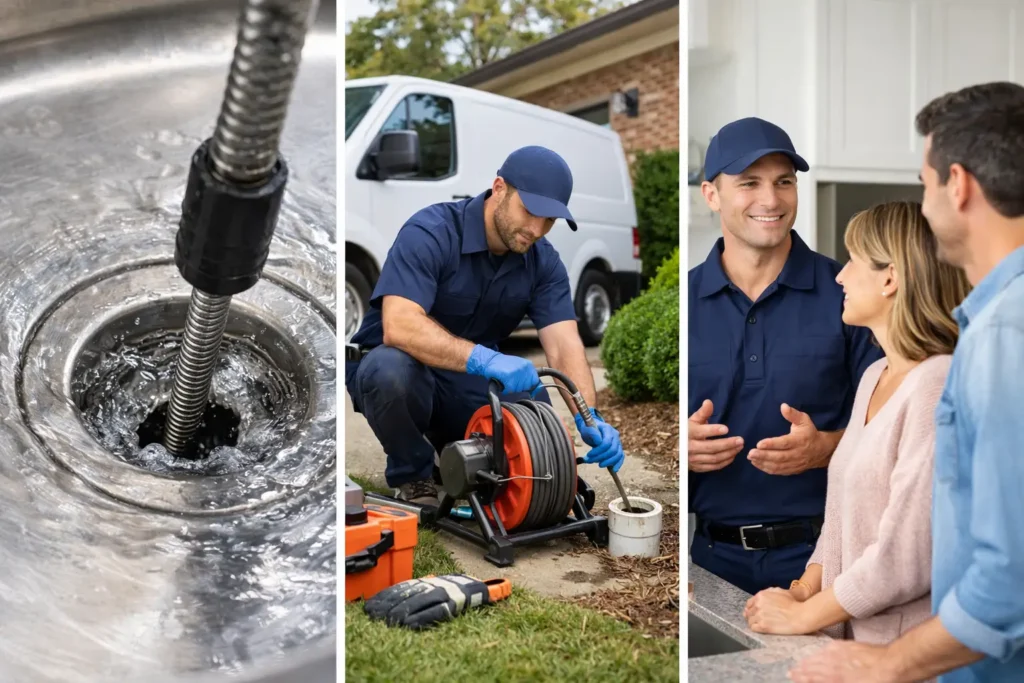
A slow kitchen sink is easy to ignore until the dishwasher drains and water rises in the basin. A shower that holds water around your ankles may seem like a minor inconvenience, but it can point to a blockage that is building deeper in the line. When you need drain cleaning Columbus homeowners can depend on, the goal is not just to get water moving for the moment. It is to identify the source of the restriction and choose a repair that makes sense for your home.
A drain problem can disrupt an ordinary morning quickly. The good news is that many clogs have clear warning signs, and prompt service can often prevent a messy backup. Knowing what those signs mean helps you decide when to schedule service and when to treat the situation as urgent.
What a Slow Drain Is Telling You
Every drain carries a different kind of debris. Kitchen lines collect grease, food particles, soap residue, and coffee grounds. Bathroom sinks and tubs often develop buildup from hair, soap, toothpaste, and grooming products. Laundry drains can collect lint and detergent residue over time.
A single slow fixture may have a localized clog near that drain. For example, a bathroom sink that drains slowly while every other fixture works normally may need the trap or nearby branch line cleared. Repeated clogs in the same fixture, however, are a reason to look beyond a quick surface-level fix. The blockage may be farther into the line, or the pipe may have buildup that continues to catch debris.
When several drains slow down at once, the concern is greater. Water backing up in a tub when the toilet is flushed, gurgling sounds from nearby fixtures, or sewage odors can indicate an issue in a larger drain or sewer line. These are not problems to wait out. Avoid using water in the home as much as possible and arrange an evaluation promptly, especially if wastewater is coming back into a tub, shower, or floor drain.
When Drain Cleaning Columbus Service Is the Right Call
Plunging a simple toilet clog or removing visible hair from a sink stopper may resolve an occasional, isolated issue. But there is a difference between basic upkeep and a drain that keeps demanding attention. If the same drain clogs again within days or weeks, a professional inspection is usually the more practical next step.
Call for drain service when you notice persistent slow drainage, recurring clogs, foul odors, gurgling, water backing up in another fixture, or standing water that does not clear. A sudden backup after years without trouble can also be significant. Older homes in Columbus and surrounding neighborhoods may have aging drain materials, shifting connections, or root intrusion that cannot be solved with a plunger.
Be cautious with repeated chemical drain cleaner use. These products may not reach the actual obstruction, and they can create a hazardous situation for anyone working on the drain afterward. They may also be hard on certain pipes when used frequently. If you have already used a chemical product, let the technician know before service begins.
The Difference Between Clearing a Clog and Solving It
The right drain cleaning method depends on where the blockage is located and what is causing it. A technician may begin with a conversation about which fixtures are affected, when the problem started, and whether it has happened before. That information narrows down where to look and helps avoid unnecessary work.
For many common clogs, professional cable equipment can break up or retrieve the material blocking the line. This can be effective for hair, soap buildup, paper products, and other routine obstructions. If the line is heavily coated with grease or residue, a more thorough cleaning approach may be recommended. For recurring main-line issues, a camera inspection can help reveal conditions inside the pipe, such as root growth, separated connections, damaged sections, or stubborn buildup.
Not every drain issue requires major repair. That is why diagnosis matters. Cleaning a line may be the appropriate answer when the pipe is otherwise in good shape. If the camera shows damage or a structural problem, continuing to clear the same line may only provide temporary relief. A clear explanation of the findings allows you to weigh the immediate need against the longer-term repair option.
What to Expect From a Professional Visit
Drain problems are stressful because the cause is usually out of sight. A well-organized service visit should reduce that uncertainty. The technician should ask about symptoms, inspect the affected area, explain the recommended diagnostic or cleaning approach, and discuss the cost before work begins.
At Transit & Flow, the focus is on clear communication and customer approval before any work moves forward. Flat-rate pricing is designed to make the decision process easier, but the final recommendation still depends on the conditions found in your home. Access to the drain, the location of the blockage, the condition of the line, and the equipment needed can all affect the scope of service.
For urgent backups, availability may allow for same-day service. Timing depends on scheduling, technician availability, access, and the conditions at the property. If a sewer backup or active overflow is involved, share that detail when you call so the team can help prioritize the situation appropriately.
After the drain has been cleared, ask what was found and whether follow-up is recommended. A technician may suggest monitoring the drain, changing a household habit that contributes to buildup, or scheduling a camera inspection if the symptoms indicate a deeper concern. Good service leaves you with a practical next step, not a vague answer.
Preventing the Next Clog Without Taking Risks
No home can avoid every drain issue, but a few habits can reduce the frequency of common clogs. In the kitchen, let grease cool and dispose of it in the trash rather than washing it down the sink. Use a sink strainer to catch food scraps, and keep fibrous foods, coffee grounds, and large quantities of starchy food out of the disposal.
In bathrooms, hair catchers can make a noticeable difference in showers and tubs. Flush only toilet paper and human waste. Wipes, even those labeled flushable, along with paper towels, cotton products, and hygiene items, can lodge in pipes and contribute to larger line blockages.
For homes with mature trees or a history of main-line backups, preventive inspection may be worth considering. It depends on the age and condition of the sewer line, previous service history, and what an inspection shows. Preventive service is most useful when it is based on your home’s actual conditions rather than a one-size-fits-all schedule.
A Faster Response Starts With Clear Details
When you request drain service, mention the fixtures involved, whether water is backing up elsewhere, and whether the issue is ongoing or sudden. If you know where the cleanout is located, that can be helpful, though you do not need to search for it before calling. Keep children and pets away from any standing wastewater, and avoid running appliances or using fixtures that may worsen the backup.
A clogged drain rarely improves on its own once water is slow, noisy, or backing up. Addressing it early can protect your day, your floors, and your plumbing system. The most helpful next move is simple: get a clear diagnosis, approve work with confidence, and give the problem the attention it needs before a small slowdown becomes a larger cleanup.
