
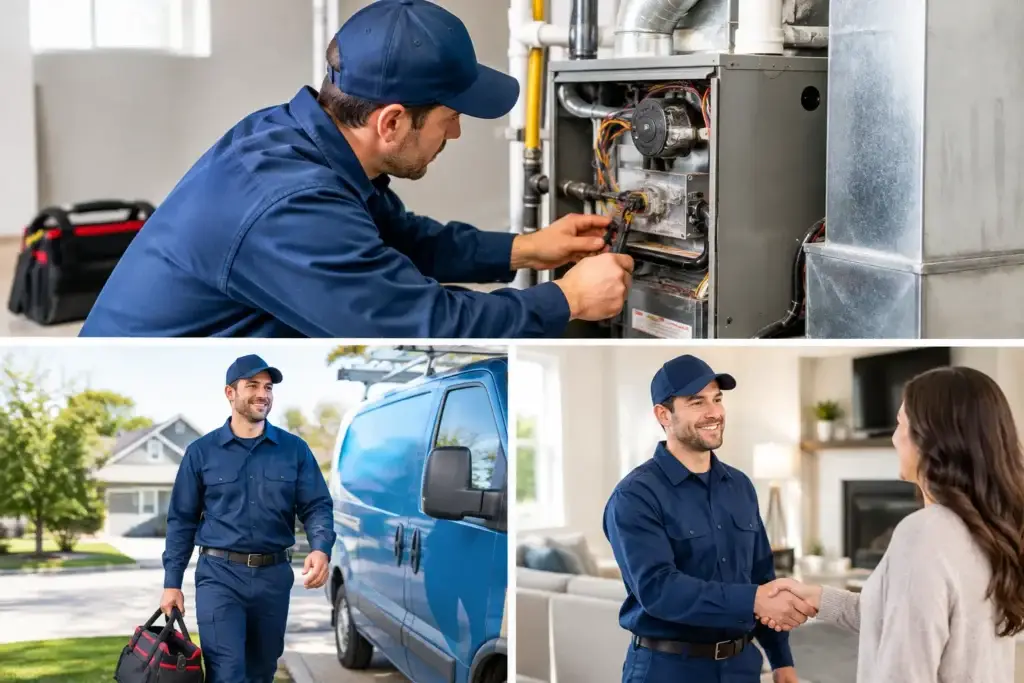
A furnace that starts making a new noise on the first cold night is not a problem to put off until later. The right choice between a furnace tune up or repair depends on what the system is doing, how consistently it heats your home, and whether there are signs of a safety concern. A tune-up helps prevent many breakdowns. A repair addresses a problem that is already affecting comfort, performance, or operation.
For homeowners in Columbus, the practical goal is simple: get clear answers before a minor heating issue turns into a no-heat call during a cold stretch. Here is how to tell the difference and what to expect from each service.
What a Furnace Tune-Up Is Designed to Do
A furnace tune-up is planned maintenance. It is usually the right choice when your furnace is still heating normally, but you want it checked before winter demand picks up. Think of it as a chance to catch wear, buildup, and small performance concerns before they lead to an unexpected interruption.
During a professional visit, a technician evaluates the system’s overall operation, checks key components, looks for signs of wear, and confirms that the furnace is heating and cycling as it should. The exact work depends on the equipment, its condition, and what is found during the visit.
A tune-up may help with efficiency and reliability, but it is not a promise that every future part failure can be prevented. Some components fail without much warning, particularly in an older system. Maintenance is still valuable because it creates an opportunity to identify concerns early and make an informed decision before you are dealing with an urgent outage.
When Maintenance Makes the Most Sense
Schedule a furnace tune-up when the system is operating normally but has not been serviced recently, before the main heating season, or after moving into a home with an unknown maintenance history. It is also a practical step for homeowners who want a technician to assess an aging furnace and explain its current condition without pressure to replace it.
An annual visit is a common planning point, although the best timing can depend on your furnace’s age, use, filter habits, and past service history. Early fall is often convenient, but a tune-up can be worthwhile any time the system is running reliably and you want to stay ahead of avoidable problems.
Signs You Need Furnace Repair Instead
Repair becomes the better choice when your furnace is showing a specific symptom. You do not need to know the name of the part or try to diagnose it yourself. Clear observations about what changed, when it started, and whether the problem is constant or intermittent give a technician a useful starting point.
Call for furnace repair if you notice several of these signs:
- The furnace will not turn on, starts and stops repeatedly, or blows cool air.
- Some rooms are much colder than others despite normal thermostat settings.
- You hear banging, squealing, grinding, rattling, or other new sounds during operation.
- Your heating bills rise sharply without a clear change in weather or household use.
- You see water around the furnace, notice unusual odors, or the system trips a breaker.
A dirty filter can contribute to restricted airflow, but it is not the answer to every heating issue. Replacing a filter is a reasonable homeowner task when it is accessible and matches the system requirements. If the furnace still struggles, shuts down, makes unusual noises, or does not heat evenly after a filter change, professional diagnostics are the safer next step.
If you smell gas, leave the home if it is safe to do so, avoid switches or open flames, and contact your gas utility or emergency services. Do not attempt to restart or inspect the furnace yourself.
Furnace Tune Up or Repair: How the Decision Is Made
The difference often comes down to whether the furnace has a known fault. A tune-up is preventive service for a working system. A repair visit focuses on finding the cause of a specific complaint and recommending the appropriate correction.
Sometimes a maintenance appointment uncovers a repair need. That does not mean the tune-up was unnecessary. Finding a worn component, ignition concern, drainage issue, or airflow problem before it causes a complete failure is one of the reasons homeowners schedule maintenance. The key is clear communication about what was found, how urgent it is, and what options are available.
At Transit & Flow, the process should not feel like a guessing game. A technician evaluates the concern, explains the findings in plain language, and provides flat-rate pricing for approved work before repairs begin. Final recommendations and pricing depend on the equipment, the issue, access, and conditions found on site.
A Repair Does Not Always Mean Replacement
A furnace repair can be the sensible option even for an older unit. If the issue is isolated, the repair is reasonable for the system’s condition, and the furnace has otherwise been dependable, fixing it may offer good value.
Replacement deserves a conversation when repairs are becoming frequent, the system has a major failure, comfort problems keep returning, or the furnace is near the end of its useful service life. The right choice is not automatically the lowest immediate cost or the newest equipment. It is the option that makes sense for your home’s heating needs, the furnace’s condition, and your budget.
A clear diagnosis helps avoid two common mistakes: replacing a system before understanding the actual issue, or continuing to pay for repeated repairs without looking at the larger pattern. Ask what is causing the current problem, whether the repair addresses the root cause, and what the technician expects from the system going forward.
What to Expect During a Service Visit
Before the appointment, make a note of what you have noticed. Is the furnace loud only at startup? Does it run constantly? Did the problem begin after a power outage or thermostat change? Are certain rooms colder than others? These details can shorten the diagnostic process.
Make the furnace area accessible and keep pets secure if possible. A technician may need to inspect the thermostat, equipment, drain connections, filters, vents, and other accessible parts of the heating system. The goal is to test the system in operation rather than make assumptions based on one symptom.
After the assessment, you should receive a straightforward explanation of the findings and recommended next steps. For a repair, that means reviewing the proposed work and price before anything moves forward. For a tune-up, it means knowing whether the furnace is operating as expected and whether there are maintenance or repair items worth planning for.
Same-day availability may be possible for urgent furnace concerns in Columbus and surrounding communities, depending on scheduling, technician availability, parts, access, and job conditions. If a needed part is not immediately available, a good service experience still includes a clear explanation of what happens next.
Do Not Wait for a Complete Breakdown
A furnace rarely picks a convenient time to stop heating. Calling when you first notice reduced airflow, uneven temperatures, new sounds, or repeated cycling gives you more options than waiting for the system to fail on the coldest night of the season.
Whether you need preventive maintenance or a targeted repair, start with the symptom and ask for a clear evaluation. A dependable heating decision begins with knowing what your furnace is telling you – and having it checked before the problem gets bigger.
