
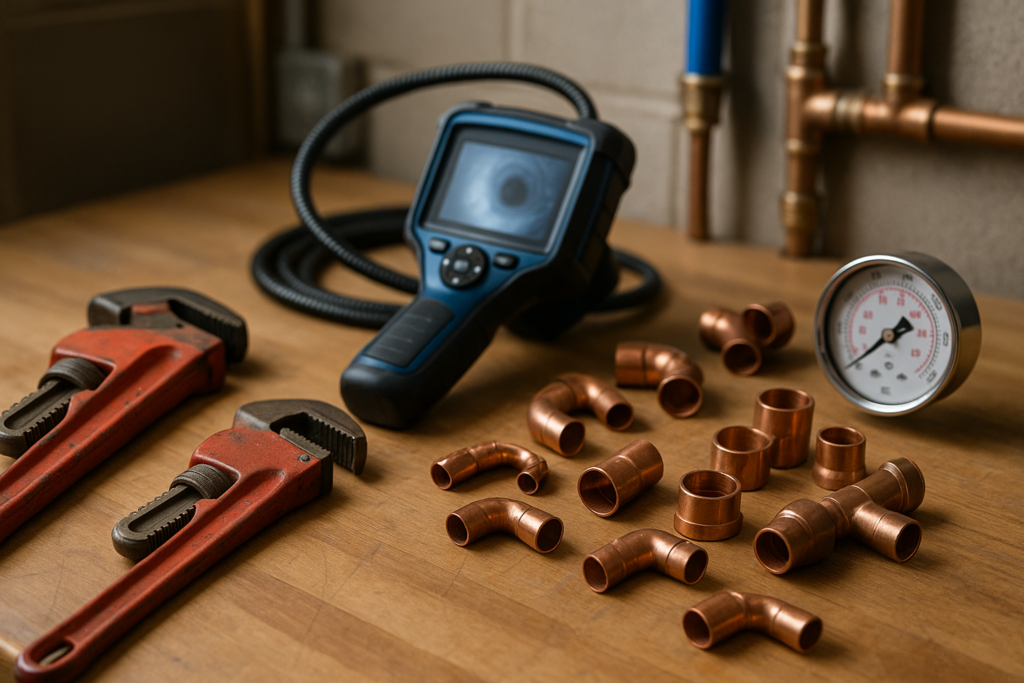
Spring Home Maintenance Columbus: Your Complete Checklist
Winter wreaks havoc on Columbus homes. Frozen pipes, stressed furnaces, and months of hard use leave plumbing and HVAC systems ready to fail. Spring is when you catch problems before they turn into expensive disasters.
The first warm weekend feels like the perfect time to ignore indoor systems and focus on yard work. That’s exactly when water heaters leak, sump pumps fail during April rains, and air conditioners refuse to start. A few hours of preventive checks now saves emergency repair bills later.
Quick TL;DR: Spring Maintenance Priorities
- Test your sump pump before spring rains hit—March through May stresses these systems hard in central Ohio
- Inspect outdoor faucets and hose bibs for freeze damage from December through February cold snaps
- Schedule AC maintenance before the June heat arrives and repair companies book solid
- Check water heater and flush sediment after winter’s heavy heating demand
- Clean or replace all HVAC filters and inspect ductwork for damage or disconnections
Why Spring Maintenance Matters in Columbus
Central Ohio’s climate creates specific seasonal stress points. Cold winters with hard freezes strain pipes and fixtures. Humid summers overwork air conditioners. The spring transition period is your window to address winter damage and prepare for summer load.
Older Columbus homes built before 1960 often have cast iron drain lines and outdated venting that needs attention after freeze-thaw cycles. Newer builds face different issues—PEX supply lines can develop fitting problems, and builder-grade HVAC equipment hits its first major maintenance milestone around year five.
Spring rain from March through May is particularly challenging. Your sump pump sits idle all winter, then suddenly needs to move hundreds of gallons during heavy storms. Testing it in February prevents flooded basements in April.
Outdoor Plumbing Inspection Tasks
Start outside while temperatures are still mild. Turn on every outdoor faucet and hose bib slowly. Watch for leaks at the handle, spout, and where the pipe enters the house. Even small drips indicate freeze damage to internal washers or valve seats.
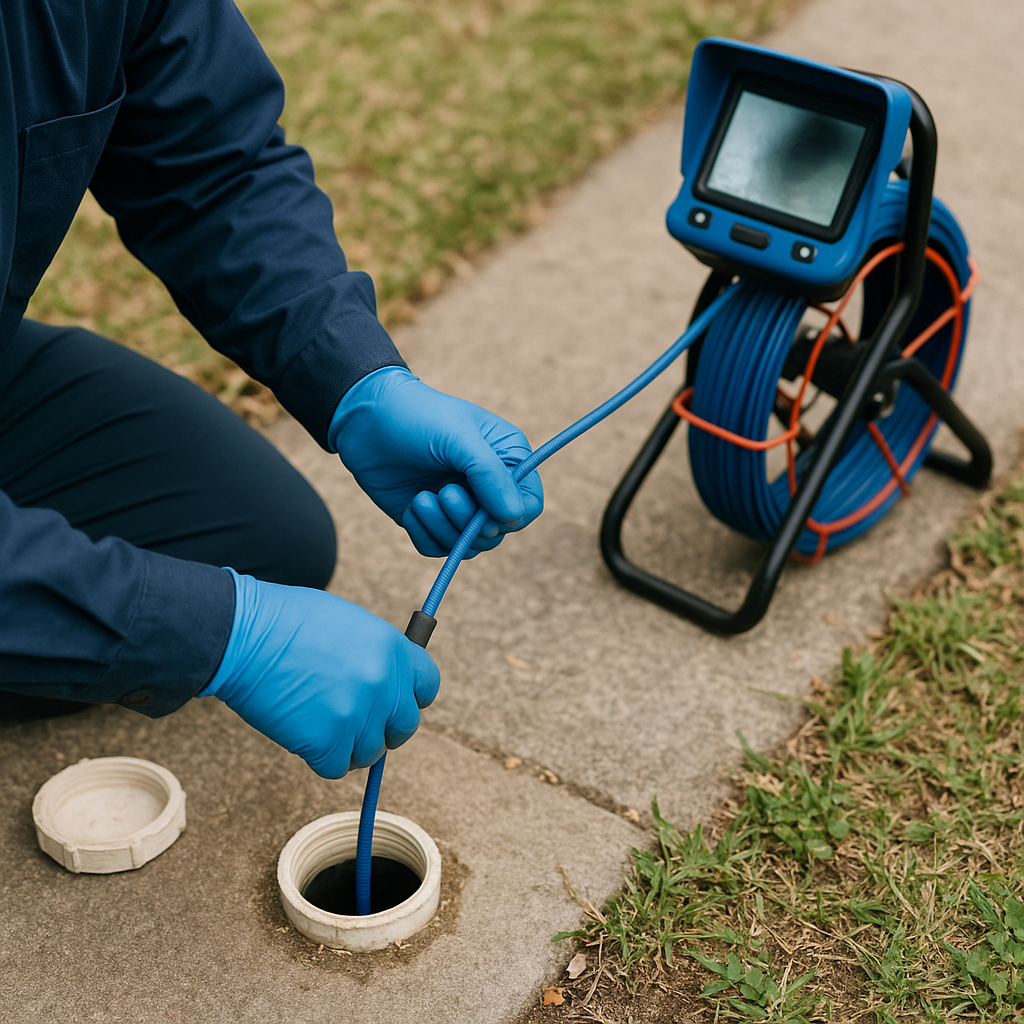
Check the ground around outdoor faucets. Soft, muddy soil when everything else is firm means water is leaking underground from a cracked pipe. These leaks started as hairline cracks during winter freezes and widen with spring thaw.
Inspect sprinkler system components if you have underground irrigation. Backflow preventers and valve boxes often crack during hard freezes. Look for standing water in valve boxes—it suggests broken pipes or valves that won’t hold pressure when you start the system.
Remove any hoses left connected over winter. Water trapped in hoses and spigots expands when frozen, cracking internal components. Even frost-proof designs fail when hoses stay attached. Replace any cracked or split hoses before they burst under pressure.
Sump Pump Testing and Maintenance
Your sump pump is the single most important system to test before spring rains. Pour five gallons of water into the sump pit rapidly. The float should rise, activate the pump, and drain the pit within seconds. If the pump hesitates, runs continuously, or doesn’t start, repair it immediately.
Check the discharge pipe outside. It should direct water at least ten feet from your foundation. Shorter runs or pipes pointing back toward the house create problems. Ice blockages from winter sometimes remain in buried discharge lines—run the pump and watch for water backing up.
Test the backup power if you have a battery system. Unplug the primary pump and pour water in the pit. The backup should activate within seconds. Replace batteries that are three years old or show corrosion on terminals.
Clean the pit itself. Sediment, debris, and small rocks accumulate over time and can jam float switches. Remove the pump, scoop out debris, and wipe down the pit walls. This simple task prevents many spring emergency calls when storms hit.
Indoor Plumbing Checks
Walk through your home checking every faucet, toilet, and fixture. Turn on hot water and let it run until fully hot. If it takes longer than usual or never reaches full temperature, your water heater may have sediment buildup or a failing heating element.
Look under every sink with a flashlight. Feel the pipes for moisture. Check the cabinet floor for water stains or warped wood. Small leaks start in winter when pipes contract and expand, then worsen gradually. Catching them early prevents cabinet damage and mold growth.
Test toilets by adding food coloring to the tank. Wait thirty minutes without flushing. If color appears in the bowl, the flapper is leaking. This wastes hundreds of gallons monthly and increases your water bill significantly. Flappers are inexpensive and easy to replace.
Run water in rarely used fixtures like basement sinks or spare bathroom tubs. Traps can dry out over winter, allowing sewer gas into your home. Running water for a minute refills the trap and blocks odors.
Water Heater Service
Winter forces your water heater to work harder heating incoming cold water. Spring is the right time to flush sediment that accumulates in the tank. Turn off power or gas, connect a hose to the drain valve, and run several gallons into a bucket until the water runs clear.
Check the temperature setting. It should be 120 degrees Fahrenheit for safety and efficiency. Higher settings waste energy and risk scalding. Lower settings allow bacteria growth. If you don’t have a temperature gauge, test with a thermometer under hot running water.
Inspect the area around the water heater for rust, moisture, or pooled water. Small leaks from the tank bottom mean the unit is failing. Rust-colored water from hot taps suggests internal tank corrosion. Both issues require replacement rather than repair.
Test the temperature and pressure relief valve by lifting the lever briefly. Water should discharge from the overflow pipe. If nothing happens or the valve won’t close completely afterward, replace it. This valve prevents dangerous pressure buildup and tank explosions.
Air Conditioning System Preparation
Schedule professional AC maintenance before June heat arrives. Spring appointments are easier to book and often cost less than emergency service during the first heat wave. Technicians check refrigerant levels, test electrical connections, and clean coils during routine service.
Change your furnace filter now even if you changed it in winter. Months of heating cycle dust through the system. A clean filter helps when you switch to cooling mode. Mark your calendar to change filters monthly during heavy use seasons.
Clean the outdoor condenser unit yourself. Remove leaves, grass clippings, and debris from around the unit. Gently spray the fins with a garden hose from inside out to push dirt away. Bent fins reduce efficiency—straighten them carefully with a fin comb or butter knife.
Check the condensate drain line. Pour a cup of white vinegar through it to kill algae and mold. A clogged condensate line causes water damage when AC runs in summer. The drain should exit outside or into a floor drain with visible water flow when the system operates.
Ductwork and Ventilation Review
Walk through accessible duct sections in basements, crawlspaces, and attics. Look for disconnected joints, torn insulation, or visible light through seams. Even small gaps waste significant energy and reduce system performance.
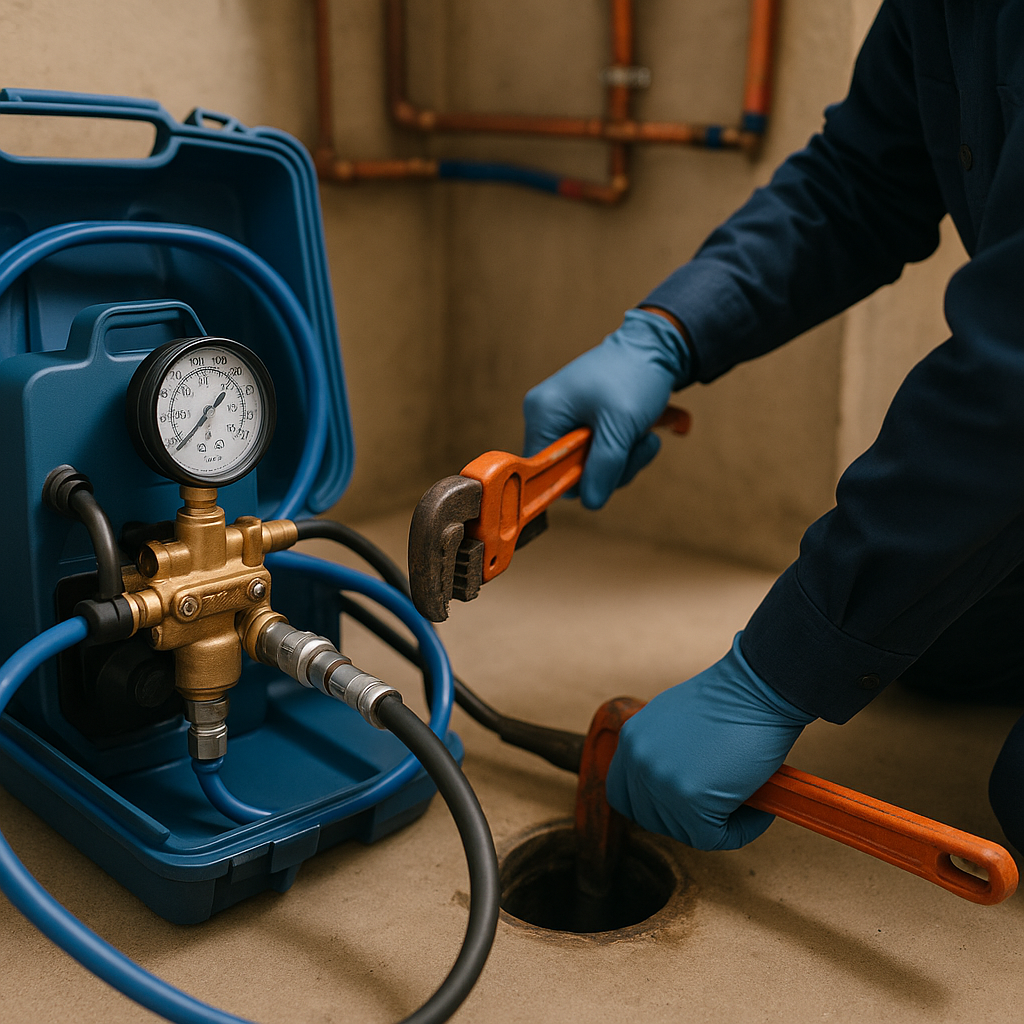
Check return air vents in each room. They should be unobstructed by furniture, curtains, or storage items. Blocked returns create negative pressure that reduces efficiency and can cause the system to shut down on safety limits.
Inspect bath fan vents on the roof or exterior walls. Bird nests, leaves, and debris block exhaust flow. Poor bathroom ventilation creates moisture problems that damage drywall and grow mold. Clean vent covers and test fans to confirm they move air effectively.
Consider professional duct cleaning if you have visible mold growth, excessive dust, or recent renovation debris. Central Ohio’s humidity can create conditions for mold in ductwork, especially in older homes with poor insulation around ducts.
Drain and Sewer Line Maintenance
Spring is ideal for preventive drain maintenance after winter’s heavy use. Run hot water through all drains weekly. Use a bacterial enzyme cleaner monthly to break down organic buildup. Avoid chemical drain cleaners that damage pipes and don’t address root causes.
Schedule a sewer camera inspection if your home was built before 1980 with original clay or cast iron lines. Tree roots invade these older pipes during spring growth. Catching root intrusion early allows less invasive clearing. Waiting until drains back up means emergency service and possible excavation.
Test floor drains in basements, garages, and laundry rooms. Pour a gallon of water into each drain and time how long it takes to empty. Slow drainage indicates partial clogs. Gurgling sounds suggest venting problems. Both issues worsen during spring when you use more water for cleaning and outdoor activities.
Check basement walls for efflorescence—white powdery deposits that indicate moisture seepage. Combined with slow floor drains, this suggests groundwater pressure issues that stress your sewer line. Address drainage around your foundation to prevent sewer backups during heavy spring rains.
Cost-Effective Upgrades to Consider
Spring maintenance is also the right time for strategic upgrades that prevent future problems. Install water leak detectors near water heaters, washing machines, and under sinks. These battery-powered devices alert you to leaks before they cause major damage. They cost less than one emergency plumbing call.
Upgrade to a programmable or smart thermostat if you’re still using a basic manual model. Modern thermostats reduce energy costs significantly and alert you to system problems. Many Columbus-area utility providers offer rebates that offset most of the cost.
Frequently Asked Questions
What’s the most important spring maintenance task for Columbus homes?
Testing your sump pump before spring rains is critical. Central Ohio sees heavy precipitation from March through May. A sump pump that sat idle all winter can fail when you need it most. Pour five gallons of water rapidly into the pit and confirm the pump activates, drains the pit completely, and shuts off properly. Check that the discharge pipe directs water away from your foundation. This fifteen-minute test prevents flooded basements during spring storms.
How often should I schedule professional HVAC maintenance?
Annual service is the minimum for both heating and cooling systems. Schedule furnace service in fall before heating season and air conditioning service in spring before cooling season. Spring AC maintenance in April or May gets you priority scheduling before summer rush. Technicians check refrigerant levels, clean coils, test electrical connections, and catch small problems before they cause breakdowns. Regular maintenance extends equipment life and maintains efficiency. Systems running at peak performance cost less to operate and break down less often.
Can I skip spring plumbing checks if nothing seems wrong?
No. Most plumbing problems start small and worsen gradually. A tiny leak under a sink wastes water and damages cabinets for months before you notice standing water. Toilet flappers deteriorate slowly, wasting hundreds of gallons without obvious signs. Outdoor faucets damaged by winter freezes may develop cracks that don’t leak until summer water pressure increases. Spring inspections catch these developing problems when repairs are simple and inexpensive. Waiting for obvious failures means bigger repair bills and potential water damage.
What are signs my water heater needs attention this spring?
Watch for rusty or discolored hot water, which indicates internal tank corrosion. Listen for popping or rumbling noises caused by sediment buildup heating and expanding. Notice if hot water takes longer to arrive at faucets or never reaches full temperature—this suggests failing heating elements or severe sediment accumulation. Check around the base for moisture, rust stains, or small puddles indicating tank leaks. Most water heaters last eight to twelve years. If yours is approaching that age and shows any of these signs, plan for replacement rather than expensive repairs.
Should I hire one company for both plumbing and HVAC maintenance?
Working with a company that handles both services offers significant advantages. You build a relationship with technicians who understand your home’s complete system history. Scheduling is simpler when one company coordinates all spring maintenance. Many issues involve both trades—condensate drain problems affect HVAC performance, water leaks near furnaces create safety concerns, and whole-home humidifiers need both plumbing and HVAC expertise. Companies like Transit & Flow that offer comprehensive plumbing services in Columbus alongside HVAC maintenance can spot connections between systems that separate contractors might miss.
Get Your Spring Maintenance Done Right
Spring maintenance protects your home from preventable problems all year. Whether you need help testing that sump pump before April rains, want professional eyes on your outdoor plumbing after a hard winter, or need to schedule AC service before summer heat arrives, getting it done now beats emergency calls later. Transit & Flow offers straightforward maintenance service for Columbus area homes—no pressure, just honest assessment of what your systems need and what can wait. We’ll inspect your plumbing and HVAC systems, explain what we find, and give you options that fit your budget. Call Transit & Flow or contact our team to schedule your spring service appointment. Let’s make sure your home is ready for the seasons ahead.
