
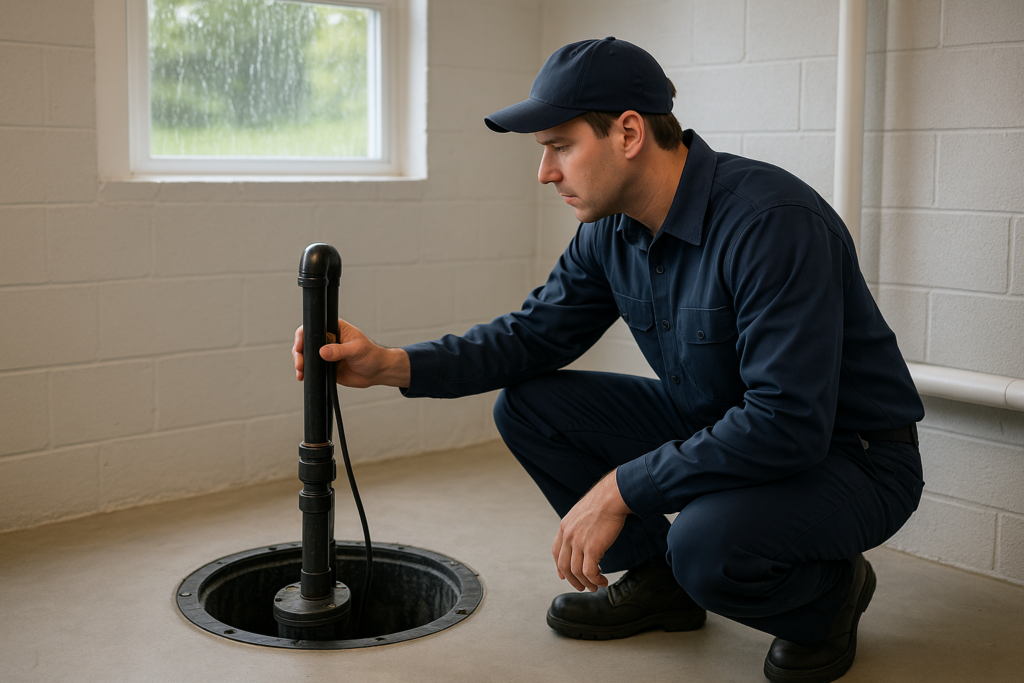
Quick Answer: Sump Pump and Drain Help in Columbus OH
If your sump pump is failing or your drains are backing up during Columbus spring storms, the first step is to check whether your sump pump is receiving power and whether the float switch moves freely. If water is actively rising in your basement or you notice sewage odors, stop troubleshooting and call a professional immediately. Transit & Flow provides fast sump pump and drain help across Columbus OH and can diagnose the problem before serious water damage occurs.
Introduction: Why Spring Rain Creates Plumbing Emergencies in Columbus
Columbus, Ohio, receives an average of four to five inches of rain per month during April and May, and that volume of water puts enormous pressure on residential sump pumps, floor drains, and sewer lines. If your system was neglected over winter or if components have aged past their effective lifespan, a single heavy downpour can push hundreds of gallons of water into your basement in under an hour. The damage goes beyond soggy carpet. Standing water breeds mold, compromises your foundation, and can destroy stored belongings that are impossible to replace.
Whether you are dealing with a sump pump that will not turn on, slow drains gurgling during storms, or an active sewer backup, you deserve clear guidance and honest answers. That is exactly what Transit & Flow delivers to homeowners throughout Columbus and surrounding communities. If you are facing a plumbing emergency right now, call 614-333-8092 to reach our team for same-day scheduling. For non-urgent concerns, keep reading to learn exactly what to check, what it might cost, and when professional help is the safest choice.
Key Takeaways
- Columbus spring rains are the number one cause of sump pump failures and drain backups in residential basements.
- A sump pump that runs constantly, cycles rapidly, or makes grinding noises is signaling a problem that should not be ignored.
- Slow drains, sewage odors, and gurgling fixtures during storms often indicate a clogged or compromised sewer line.
- Homeowners can perform a few safe visual checks, but active flooding, sewage, or electrical exposure requires a professional.
- Transit & Flow serves Columbus OH with trained technicians who diagnose sump pump and drain issues quickly and accurately.
Primary Service: Sump Pump and Drain Solutions for Columbus Homeowners
Sump pump and drain systems work together to keep your Columbus home dry. The sump pump removes groundwater that collects beneath your foundation, while your home’s drain system carries wastewater away to the municipal sewer or septic tank. When either system fails during heavy spring rain, the consequences can be immediate and severe.
Sump Pump Services
A properly functioning sump pump activates automatically when water in the sump basin reaches a certain level. It then pumps that water through a discharge line to the exterior of your home, away from the foundation. Transit & Flow technicians handle a wide range of sump pump services in Columbus OH, including diagnosis of pump motor failure, float switch replacement, check valve installation, battery backup system setup, and full sump pump replacement when a unit has reached the end of its useful life.
Drain Cleaning and Sewer Line Services
Drain problems during Columbus spring storms often point to a deeper issue in the main sewer line. Tree root intrusion, accumulated sediment, offset pipe joints, and deteriorated clay tile pipe are all common in Columbus neighborhoods built before the 1980s. Transit & Flow uses professional-grade camera inspection and hydro-mechanical cleaning to locate blockages and restore full flow without guesswork. If your drains are backing up during every rainfall, the issue may be a combined sewer system overload or a compromised connection between your home and the city main. A trained technician can determine the root cause and recommend the most cost-effective solution.
Warning Signs and Symptoms to Watch For
Recognizing early warning signs can prevent a minor issue from becoming a full basement flood. Here are the most common symptoms Columbus homeowners should monitor during the spring rain season.
- Sump pump runs continuously without shutting off, even when rain has stopped.
- Sump pump cycles on and off rapidly, sometimes every few seconds, which indicates a float switch or check valve problem.
- Grinding, rattling, or humming sounds coming from the sump basin suggest motor bearing failure or an impeller obstruction.
- Standing water in the sump basin when the pump should be running means the unit may have lost power or the motor has failed.
- Slow drains throughout the home, especially in the basement, during or after rainstorms.
- Sewage odor near floor drains, basement fixtures, or outside cleanout caps.
- Gurgling sounds from toilets, sinks, or tub drains when water is running elsewhere in the house.
- Water stains or efflorescence on basement walls, which indicate chronic moisture intrusion even when you do not see standing water.
Root Causes: Why These Problems Happen in Columbus
Understanding the root cause of your sump pump or drain problem helps you make better repair decisions and avoid recurring failures.
Sump Pump Failure Causes
- Age: Most sump pumps last seven to ten years. Many Columbus homes still have pumps installed during original construction that are well past their expected lifespan.
- Power loss: Spring storms frequently knock out electricity. Without a battery backup, the pump cannot operate when you need it most.
- Float switch malfunction: The float switch can become stuck, tangled on wiring, or corroded, preventing the pump from activating.
- Clogged intake or discharge line: Gravel, debris, or ice in the discharge line stops water from exiting, causing the motor to overheat.
- Undersized pump: A pump rated for a smaller volume than your home requires will burn out prematurely during heavy rain events.
Drain and Sewer Line Causes
- Tree root intrusion: Columbus has mature tree canopy throughout neighborhoods like Clintonville, Bexley, and Worthington. Roots seek moisture and infiltrate sewer line joints.
- Clay tile pipe deterioration: Many older Columbus sewer laterals are made of clay tile that cracks, collapses, or separates over decades.
- Combined sewer system overload: Parts of Columbus use combined sewer systems that handle both stormwater and sanitary waste. Heavy rain overwhelms these systems, causing backups into homes.
- Grease, sediment, and debris buildup: Over time, organic material and mineral deposits reduce pipe diameter and slow drainage.
The Professional Process: What a Transit & Flow Technician Does
When you call Transit & Flow for sump pump and drain help in Columbus OH, here is what you can expect from our trained technicians.
- Initial assessment: The technician inspects the sump basin, pump, discharge line, and visible drain points. They check for power supply issues, float switch operation, and signs of water damage.
- Camera inspection (when needed): For drain and sewer problems, a waterproof camera is fed through the line to identify blockages, root intrusion, pipe damage, or offsets in real time.
- Diagnosis and options: You receive a clear explanation of the problem along with repair and replacement options. No work begins without your approval.
- Repair or replacement: Whether the solution is a float switch swap, a full pump replacement, drain cleaning, or sewer line repair, the technician completes the work with professional-grade equipment and parts.
- Testing and verification: The system is tested under load to confirm proper operation before the technician leaves your home.
- Maintenance guidance: You receive recommendations for ongoing care to extend the life of your system and reduce the risk of future failures.
Cost Variables: What Affects the Price of Sump Pump and Drain Work
Transit & Flow does not quote fixed prices in blog content because every home presents unique conditions. However, understanding the variables that affect cost helps you set realistic expectations.
- Type of pump: A basic submersible pump costs less than a high-capacity model with a battery backup system.
- Accessibility: If the sump basin is in a finished basement behind built-in storage, labor time increases.
- Drain cleaning method: A simple cable cleaning costs less than hydro-jetting or camera-assisted line location.
- Sewer line repair scope: A spot repair on a shallow line is significantly less expensive than a full lateral replacement that requires excavation or trenchless lining.
- Permits and inspections: Some sewer line work in Columbus requires city permits and inspections, which add to the total project cost.
- Emergency timing: After-hours or weekend emergency calls may carry different pricing than scheduled weekday appointments.
For an accurate estimate based on your specific situation, call Transit & Flow at 614-333-8092 or request a quote online at https://transitflowplumbing.com/estimate/.
When to Call a Professional
Some sump pump and drain situations are too dangerous or complex for homeowner troubleshooting. Call a professional immediately if you experience any of the following.
- Standing water near electrical outlets or panels: Water and electricity create a life-threatening electrocution hazard. Do not enter the area. Call Transit & Flow at 614-333-8092.
- Active sewage backup: Raw sewage contains harmful bacteria and pathogens. Avoid contact and keep children and pets away from the affected area.
- Water rising rapidly: If your basement is flooding during a storm and the pump is not activating, professional intervention is needed to prevent structural damage.
- Gas odor near the sump area: If you smell natural gas anywhere in the basement, evacuate the home immediately and call your gas utility before addressing plumbing.
- Repeated drain backups: If drains back up every time it rains, the problem is in your sewer lateral or the city connection and requires professional camera inspection and repair.
Safe Homeowner Checks
Before calling for professional help, there are a few safe and non-hazardous checks you can perform yourself. These checks do not involve disassembling equipment or working near standing water with electrical exposure.
- Verify power: Confirm that the sump pump is plugged in and that the outlet has power. Check your electrical panel for a tripped breaker.
- Listen for pump activation: Pour a bucket of clean water slowly into the sump basin. You should hear the pump motor activate and see the water level drop.
- Inspect the discharge line exterior: Walk outside and check where the discharge pipe exits your home. Make sure the opening is not blocked by dirt, mulch, ice, or debris.
- Check floor drain covers: Ensure basement floor drain grates are not blocked by stored items, pet hair, or debris.
- Look for visible leaks: Check exposed pipes in the basement for dripping or moisture without touching electrical connections.
If any of these checks reveal a problem you cannot safely resolve, or if the issue persists after basic verification, contact Transit & Flow for professional diagnosis.
Repair vs. Replace: Making the Right Decision
Deciding whether to repair or replace a sump pump or drain line depends on several factors.
Sump Pump Repair vs. Replace
- Repair makes sense when the pump is less than five years old, the motor is operational, and the issue is a replaceable component like a float switch or check valve.
- Replacement makes sense when the pump is older than seven years, the motor is burned out, or the unit is undersized for your home’s water table conditions.
- Battery backup addition: If you are replacing a pump, this is the ideal time to add a battery backup system that protects your home during power outages.
Drain and Sewer Line Repair vs. Replace
- Repair makes sense for a single localized blockage or root intrusion point in an otherwise sound pipe.
- Replacement makes sense when camera inspection reveals multiple fractures, widespread root intrusion, pipe collapse, or bellied sections that trap water and waste.
- Trenchless options: Columbus homeowners may be candidates for trenchless pipe lining or pipe bursting, which replaces a sewer lateral without excavating the entire yard.
Local Columbus Context: Why Your Location Matters
Columbus OH has specific conditions that directly affect sump pump and drain performance.
- High water table areas: Neighborhoods in the Scioto River and Olentangy River floodplains, including parts of Franklinton, Harrison West, and the Bottoms, experience elevated groundwater that puts constant demand on sump pumps.
- Clay-heavy soil: Much of central Ohio has dense clay soil that does not drain well. This means rainwater saturates the ground around your foundation quickly, increasing hydrostatic pressure on basement walls and sump systems.
- Aging infrastructure: Columbus neighborhoods like Old Town East, Victorian Village, German Village, and the University District have sewer laterals that may be sixty to one hundred years old. These aging lines are prone to failure during heavy spring rains.
- Combined sewer overflow areas: The City of Columbus has invested in sewer separation projects, but some areas still use combined systems. During heavy rain, these systems can push stormwater and sewage back through basement floor drains.
- Spring storm frequency: Central Ohio typically sees its heaviest rainfall between April and June. This three-month window is when the majority of sump pump failures and drain backup calls occur.
Frequently Asked Questions
What should I do first if my sump pump stops working during a storm?
First, check whether the pump is still plugged in and whether the circuit breaker has tripped. If power is reaching the pump and it still is not running, the motor or float switch may have failed. Avoid stepping into standing water near electrical outlets. Call Transit & Flow at 614-333-8092 for emergency sump pump service in Columbus OH.
What should I avoid doing during a basement drain backup?
Do not attempt to use chemical drain cleaners during an active sewage backup. Chemicals can react with standing sewage and create hazardous fumes. Do not use a shop vacuum to remove sewage water without proper protective equipment. Avoid running additional water in the home, as this adds volume to the already overwhelmed system.
What factors affect the cost of sump pump and drain repair?
Cost depends on the type and severity of the problem, the age and accessibility of the equipment, whether replacement parts or a full new unit is needed, and whether sewer line work requires excavation or permits. Transit & Flow provides upfront diagnosis so you understand the scope before any work begins.
When is a drain backup an emergency?
A drain backup is an emergency when sewage is actively entering your living space, when water is rising and threatening electrical systems or appliances, or when you detect a gas odor in the affected area. In any of these situations, evacuate if necessary and call for professional help immediately.
When should I call a professional instead of troubleshooting myself?
Call a professional if your pump will not activate after verifying power, if drains back up repeatedly during rain, if you see or smell sewage, or if water is near any electrical connection. Sump pump and drain issues can escalate quickly during Columbus spring storms, and professional diagnosis prevents guesswork and further damage.
How can Transit & Flow help with my sump pump or drain problem?
Transit & Flow provides comprehensive sump pump and drain services across Columbus OH, including emergency response, sump pump repair and replacement, battery backup installation, drain cleaning, camera sewer inspection, and sewer line repair. Our trained technicians arrive equipped to diagnose and resolve the issue on the same visit whenever possible.
Maintenance Tips to Prevent Sump Pump and Drain Problems
- Test your sump pump every three months by pouring water into the basin and confirming the pump activates and drains the water.
- Clean the sump basin annually to remove gravel, sediment, and debris that can clog the intake screen.
- Inspect the discharge line before each spring season to ensure it is clear and draining away from your foundation.
- If you have a battery backup, check the battery charge level at least twice per year and replace the battery according to the manufacturer’s recommended schedule.
- Have your main sewer line professionally inspected every two to three years, especially if your home is more than thirty years old or has large trees near the sewer lateral path.
- Keep basement floor drains clear of storage items, boxes, and debris so water can exit freely during unexpected backups.
Glossary of Key Terms
Sump Pump
A submersible or pedestal pump installed in a sump basin below basement floor level. It activates automatically to remove groundwater that collects around the foundation and discharges it away from the home through a dedicated pipe.
Drain Cleaning
The professional process of removing blockages, buildup, and obstructions from residential drain and sewer lines using mechanical cables, hydro-jetting equipment, or specialized tools. Drain cleaning restores full flow and prevents backups.
Sewer Line
The underground pipe that carries wastewater from your home to the municipal sewer main or septic system. In Columbus, older sewer laterals may be made of clay tile, cast iron, or Orangeburg material, all of which deteriorate over time.
Shutoff Valve
A valve that allows you to stop the flow of water to a specific fixture or to the entire home. Knowing the location of your main water shutoff valve is essential during any plumbing emergency.
Flat-Rate Pricing
A pricing method where the cost of a specific repair is quoted before work begins, regardless of how long the job takes. This approach provides cost certainty and eliminates surprise charges at the end of a service call.
Schedule Your Sump Pump and Drain Service in Columbus OH
Columbus spring storms do not wait, and neither should you. Whether your sump pump has stopped working, your drains are backing up during every rainfall, or you want a professional inspection to get ahead of the next heavy rain, Transit & Flow is ready to help. Our trained technicians serve homeowners throughout Columbus and surrounding communities with honest diagnosis, clear communication, and reliable repairs.
Call Transit & Flow today at 614-333-8092 for fast scheduling or request your estimate online at https://transitflowplumbing.com/estimate/. Do not let the next spring storm turn into a basement disaster. Get the professional sump pump and drain help Columbus OH homeowners depend on from Transit & Flow.
