
Sump Pump Installation Hilliard: What to Know Before Spring
Spring thaws and heavy rain can turn your basement into a wading pool in hours. If you’re in a Hilliard home without a working sump pump—or with an aging one that groans every time it kicks on—you’re gambling with thousands of dollars in water damage, ruined belongings, and potential mold growth. Most basement flooding happens when you least expect it, often during overnight storms or when you’re away from home.
Quick Takeaways
- Most Hilliard homes need a 1/3 to 1/2 HP pump for typical suburban basement drainage
- Battery backup systems prevent flooding during power outages—common during spring storms
- Professional installation costs $800–$1,800 for standard setups, $2,000–$3,500 with backup
- Basin size, discharge routing, and check valve placement matter more than pump brand
- Annual testing and cleaning extend pump life from 7 years to 10+ years
Why Spring Makes or Breaks Your Basement
Central Ohio’s freeze-thaw cycles create perfect conditions for basement water intrusion. Snow melts, ground saturates, and water follows the path of least resistance—straight toward your foundation. The water table rises as soil thaws, pushing groundwater upward through cracks and seams.
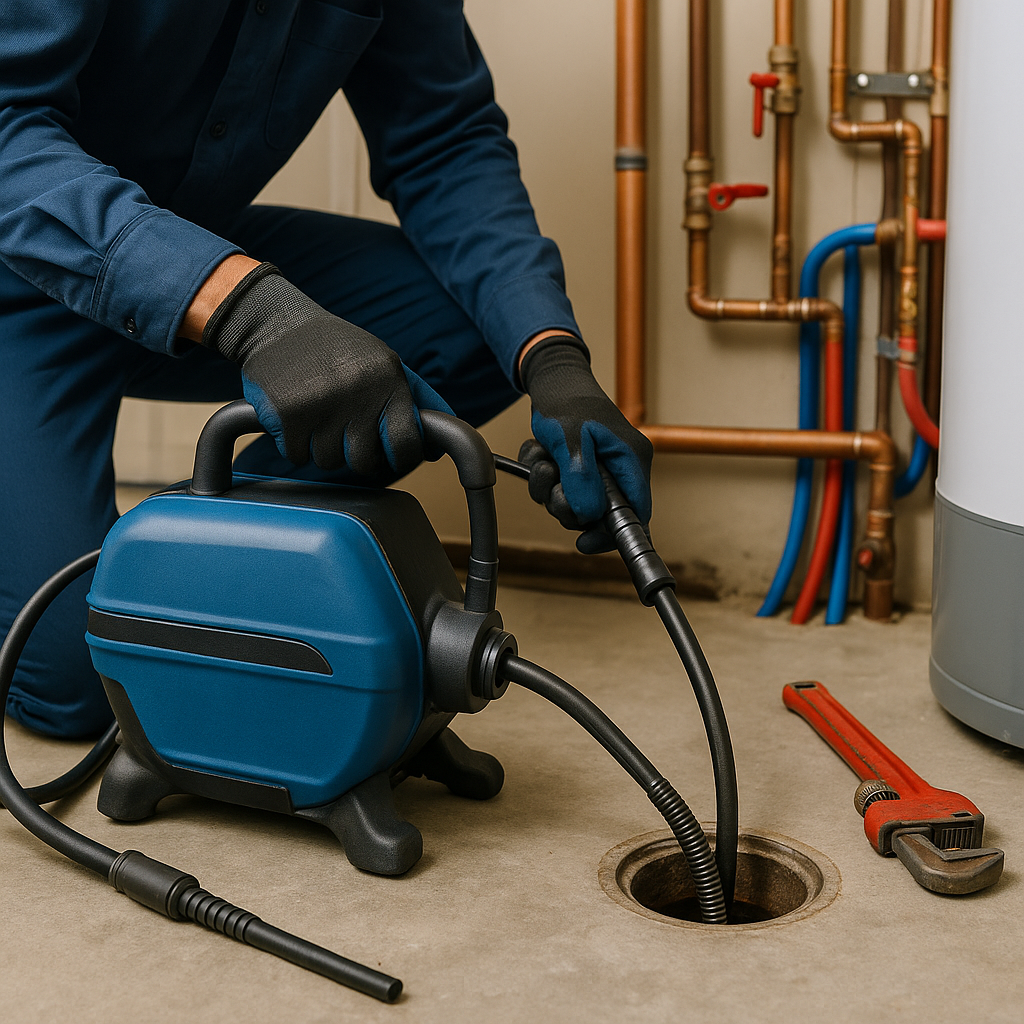
Post-1990 suburban housing in the Hilliard area typically includes footer drains, but those drains need somewhere to send water. That’s where your sump pump enters the picture. The basin collects drainage from perimeter tiles, and the pump ejects it away from your foundation before it can seep into living space.
March through May brings the highest risk. Rainfall combines with snowmelt, overwhelming drainage systems. A pump that worked fine in summer may struggle when flow rates triple. Worse, spring storms knock out power lines, leaving your pump useless exactly when you need it most.
Homes without pumps rely on gravity drainage or hope their foundation stays watertight. That works until it doesn’t. One severe storm can flood a finished basement, destroying drywall, carpet, furniture, and electrical systems. Insurance may cover structural repairs but won’t replace family photos or heirlooms.
Installing a proper system before storm season starts gives you peace of mind. You’ll sleep better knowing your basement has protection, even during the heaviest downpours. For Hilliard homeowners considering installation, now is the time—not after water starts pooling.
Choosing the Right Pump Size and Type
Pump selection starts with understanding your basement’s drainage load. Measure your basement square footage and check your footer drain system. Typical residential installations use 1/3 HP for smaller basements under 1,000 square feet, 1/2 HP for average homes, and 3/4 HP for larger homes or high water table conditions.
Horsepower matters, but so does vertical lift and flow rate. A pump must lift water 8–12 feet vertically through discharge piping, then push it 10–20 feet horizontally away from your foundation. Check the pump’s performance curve—it should maintain at least 40–50 gallons per minute at your required head height.
Pedestal pumps sit above the basin with the motor exposed. They’re cheaper ($100–$200), easier to service, and last 20+ years. Downside? They’re loud and take up visual space. Submersible pumps hide inside the basin, run quieter, and handle debris better. They cost $150–$400 but typically last 7–10 years before motor seals fail.
Most professionals recommend submersible for finished basements where noise matters. Pedestal works fine for unfinished utility spaces. Either way, buy from established brands with readily available replacement parts. Big-box store budget models may save $50 upfront but leave you stranded when a seal fails on Sunday night.
Consider a pump with cast iron or stainless steel components rather than plastic. The extra $75–$100 buys longevity. Look for thermal overload protection and automatic float switches. Manual switches require you to monitor water levels—not practical when you’re asleep or traveling.
Primary vs. Backup Systems
Your primary pump handles routine drainage. It cycles on and off as water enters the basin, typically running 2–10 times per day during wet periods. A backup pump provides insurance against three failure modes: primary pump mechanical failure, power outage, and overwhelming water volume.
Battery backup systems use a 12-volt marine battery and DC pump. When AC power fails, the battery takes over automatically. Quality systems include battery monitoring, charging circuits, and alarm notifications. Expect 5–8 hours of runtime depending on cycle frequency. Replace batteries every 3–5 years.
Water-powered backups connect to your municipal water supply. They use water pressure to create suction, ejecting basin water without electricity. No batteries to maintain, but they require adequate municipal pressure (40+ PSI) and add to your water bill during operation. They’re reliable but slower than electric pumps.
Dual pump systems install two AC pumps in one basin—one primary, one backup at a higher float level. If the first pump fails or can’t keep up, the second activates. This setup doesn’t help during power outages unless you also add battery backup to the second pump.
Installation Requirements and Code Considerations
Proper installation starts below the basement floor. The basin sits in a gravel bed, connected to perimeter footer drains via 3–4 inch PVC pipe. Basin size matters—18 inches diameter and 22–24 inches deep provides adequate reservoir capacity and prevents short-cycling.
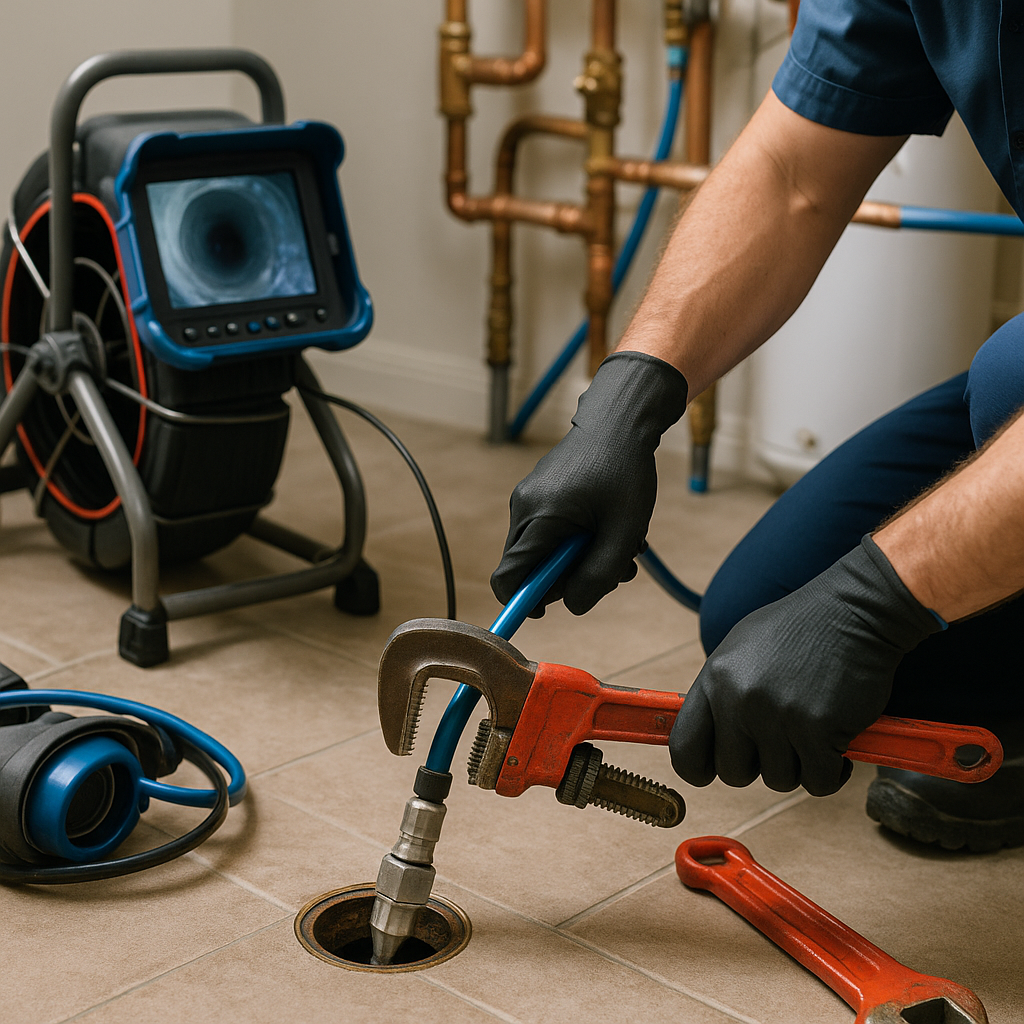
The discharge line carries water from pump to exterior. Use schedule 40 PVC, minimum 1.5 inch diameter. Include a check valve 12–18 inches above the pump to prevent backflow, and an air relief hole above the valve to prevent air lock. These details separate functional systems from problematic ones.
Discharge routing requires careful planning. Water must exit at least 10 feet from your foundation, preferably 20 feet. Slope the line 1/4 inch per foot to prevent freezing in winter. In Hilliard’s climate, underground discharge lines should sit below the frost line (32 inches) or include freeze-prevention measures like bubble valves.
Never discharge into sanitary sewers—it’s illegal and overloads treatment systems. Storm sewers may be acceptable depending on local ordinances. Many installations discharge to surface drainage, directing water toward street gutters or rear yard swales. Check with the City of Hilliard for specific requirements in your area.
Electrical work requires a dedicated 15-amp GFCI circuit. The outlet should sit above flood level—mount it on the wall, not on the floor. Many jurisdictions require GFCI protection for any basement receptacle. If you’re uncomfortable with electrical work, our plumbing services in Columbus can coordinate safe installation.
Cost Breakdown for Hilliard Installations
Budget for professional installation typically breaks down this way. Basin and gravel prep runs $150–$300. Submersible pump costs $200–$400 for quality models. Discharge piping, check valve, and fittings add $100–$200. Labor for cutting concrete, excavation, plumbing, and electrical runs $400–$800. Total: $850–$1,700 for basic installations.
Battery backup systems add $500–$1,200 in materials plus 2–3 hours of additional labor ($200–$400). High-capacity backup pumps with dual battery banks can push costs to $2,500 total. Water-powered backups cost less in materials ($250–$400) but require careful pressure testing and installation.
DIY installation saves labor costs but requires concrete cutting tools, proper drainage knowledge, and electrical skills. Mistakes cost more than hiring professionals initially. Improper basin sizing, incorrect check valve placement, or inadequate discharge routing leads to pump failure, basement flooding, and emergency repairs at premium pricing.
Expect to pay more for complex situations. Finished basements require careful cutting and patching. Homes with high water tables may need larger pumps or duplex systems. Difficult discharge routing—navigating around driveways, landscaping, or property lines—adds labor time. Get detailed quotes covering all components before work begins.
Don’t cheap out on critical components. A $150 pump may seem attractive compared to a $350 model, but the better pump includes superior seals, stronger motors, and better warranties. The $200 difference disappears the first time the cheap pump fails at 3 AM during a thunderstorm.
What About Maintenance Costs?
Annual maintenance runs $100–$175 for professional service. Technicians test float switches, clean the basin, inspect check valves, verify discharge routing, and confirm backup systems function. Many homeowners skip this step—until their pump fails.
Battery replacement for backup systems costs $80–$150 every 3–5 years. Factor this into long-term ownership costs. Water-powered backups need occasional pressure testing but have minimal ongoing expenses.
Signs You Need Immediate Replacement
Age alone doesn’t determine replacement timing, but pumps older than 7 years deserve scrutiny. If your system dates to before 2017, start planning for replacement even if it still runs. Waiting for complete failure risks flooding.
Listen for unusual sounds. Grinding, rattling, or excessive vibration indicates bearing wear or debris damage. Continuous running without cycling off suggests float switch failure or inadequate pump capacity. Intermittent operation with frequent short cycles points to check valve problems or undersized basins.
Visible rust on cast iron components, cracked housings, or frayed wiring require immediate attention. Rust in the basin suggests the pump housing is corroding internally. Water pooling around the basin perimeter means the pump isn’t keeping up or the discharge line is blocked.
Frequently Asked Questions
How long does a typical sump pump last in Hilliard homes?
Submersible pumps typically last 7–10 years with regular maintenance and proper sizing. Pedestal pumps can exceed 20 years because the motor stays dry. Lifespan depends heavily on cycle frequency—a pump running 30 times daily wears faster than one cycling 5 times daily. Central Ohio’s seasonal demands with spring and fall wet periods followed by drier summers create moderate wear patterns. Annual cleaning and testing extend life significantly. Most pumps fail from seal deterioration rather than motor burnout, so watching for small leaks or unusual noise gives early warning. If your pump predates 2015, start budgeting for replacement regardless of current operation.
Can I install a sump pump myself to save money?
DIY installation is possible if you have concrete cutting equipment, plumbing skills, and electrical knowledge. You’ll need a jackhammer or core drill to cut through the basement floor, excavation tools for the basin pit, PVC plumbing skills for discharge lines, and ability to safely wire a GFCI circuit. Mistakes in basin depth, discharge routing, or check valve placement lead to pump failures and potential flooding. Improper electrical work creates shock and fire hazards. Most homeowners find that professional installation’s $600–$900 labor cost is worthwhile for guaranteed proper function and warranty coverage. Our licensed partners pull the necessary permits and handle code compliance, and warranty service is available if problems arise.
What size sump pump do I need for a 1,200 square foot basement?
Most 1,200 square foot basements in the Hilliard area need a 1/2 HP pump producing 50–60 gallons per minute at typical discharge heights. This assumes standard footer drain systems and normal water table conditions. Homes with high water tables, clay soil, or no exterior drainage may need 3/4 HP pumps. Basin size also matters—an 18-inch diameter basin with 1/2 HP pump handles most situations. Check your pump’s performance curve against your vertical lift requirement. If you discharge 10 feet vertically then 15 feet horizontally, verify the pump maintains adequate flow at that head pressure. Oversizing slightly is better than undersizing, but don’t install a 1 HP pump where 1/2 HP suffices—it cycles more frequently and wears faster.
Do I really need a battery backup sump pump?
Battery backup isn’t legally required but provides critical insurance against the most common flooding scenario: power outages during storms. Spring and summer thunderstorms that bring heavy rain also knock out power lines. Your primary pump becomes useless exactly when you need it most. A quality battery backup system adds $700–$1,500 to installation costs but can prevent $10,000–$50,000 in flood damage. If you have finished basement living space, expensive belongings, or have experienced previous flooding, backup protection pays for itself the first time it activates. Homes with unfinished storage basements face lower risk, but even replacing a water heater and furnace after flooding costs more than backup installation.
Where should the sump pump discharge water?
Discharge must route at least 10 feet from your foundation, preferably 20 feet, to prevent water from seeping back toward your basement. Never discharge into your sanitary sewer—it’s illegal and overloads treatment plants. Options include surface drainage to yard areas that slope away from your home, connection to storm sewers where permitted, or underground drainage to street gutters. In the Hilliard area, verify local requirements with city codes. The discharge line should slope continuously away from your home at 1/4 inch per foot minimum. Bury lines below the frost line (32 inches) or use freeze-prevention measures. Poor discharge routing is the most common installation mistake, causing water to return to your foundation and creating endless pumping cycles.
If your basement shows signs of moisture problems or you’re worried about the spring storm season, reach out to Transit & Flow for an honest assessment. We’ll inspect your current drainage situation, measure your basement’s needs, and recommend appropriately sized systems without pushing unnecessary upgrades. Our team handles everything from basin installation to discharge routing and backup system integration. Call Transit & Flow today for a straightforward quote on plumbing services that protect your home before the next storm hits.
