
Tree Roots in Sewer Line: Columbus Homeowner’s Guide
That gurgling sound in your basement drain or the toilet that won’t flush right might not be a simple clog. Tree roots invading your sewer line are the leading cause of serious drain problems in Columbus, especially in older neighborhoods. Once roots find moisture inside your pipes, they grow aggressively and create blockages that get worse every season. Understanding how tree roots get into your sewer line in Columbus helps you spot the problem early and avoid a sewage backup in your basement.
What You Need to Know Right Now
- Tree roots enter sewer pipes through tiny cracks and joints, then expand to fill the entire pipe diameter
- Older homes with clay or cast iron pipes are most vulnerable to root intrusion
- Warning signs include slow drains, gurgling sounds, and sewage odors near foundation plantings
- Professional camera inspection reveals the exact location and severity of root damage
- Modern solutions range from mechanical cutting to trenchless pipe replacement depending on damage level
How Tree Roots Find Your Sewer Line
Tree roots don’t actively seek out your sewer pipes. They grow toward any source of moisture and nutrients. Your sewer line carries warm wastewater that creates vapor. Even the tiniest crack or loose joint releases this moisture into the surrounding soil. Root systems detect this vapor trail and grow toward it.
Once a hair-thin root tendril finds an opening, it pushes inside. The constant flow of water and organic matter creates ideal growing conditions. That single tendril branches out, and secondary roots follow the same path. Within months, fine roots become thick masses that trap toilet paper, grease, and solid waste. The blockage grows until water can barely pass through.
Older Columbus homes often have clay or cast iron sewer pipes installed decades ago. Clay pipes have mortared joints that loosen over time. Cast iron corrodes and develops pinhole leaks. Both conditions create entry points. Tree species with aggressive root systems like willows, maples, and poplars can infiltrate pipes 50 feet away from the trunk. Even smaller ornamental trees pose risks if planted near your sewer line path.
Ground movement from freeze-thaw cycles compounds the problem. Cold Columbus winters cause soil to contract and expand. This shifting cracks aging pipes and widens existing gaps. Spring rainfall saturates the ground, making moisture signals even stronger to root systems actively growing during warmer months.
Warning Signs of Root Intrusion
Root problems start small but escalate quickly. Multiple slow drains throughout your home signal a main line issue rather than isolated clogs. Water backs up in your basement floor drain when you flush upstairs toilets. You might hear gurgling from tub drains when someone runs the washing machine.
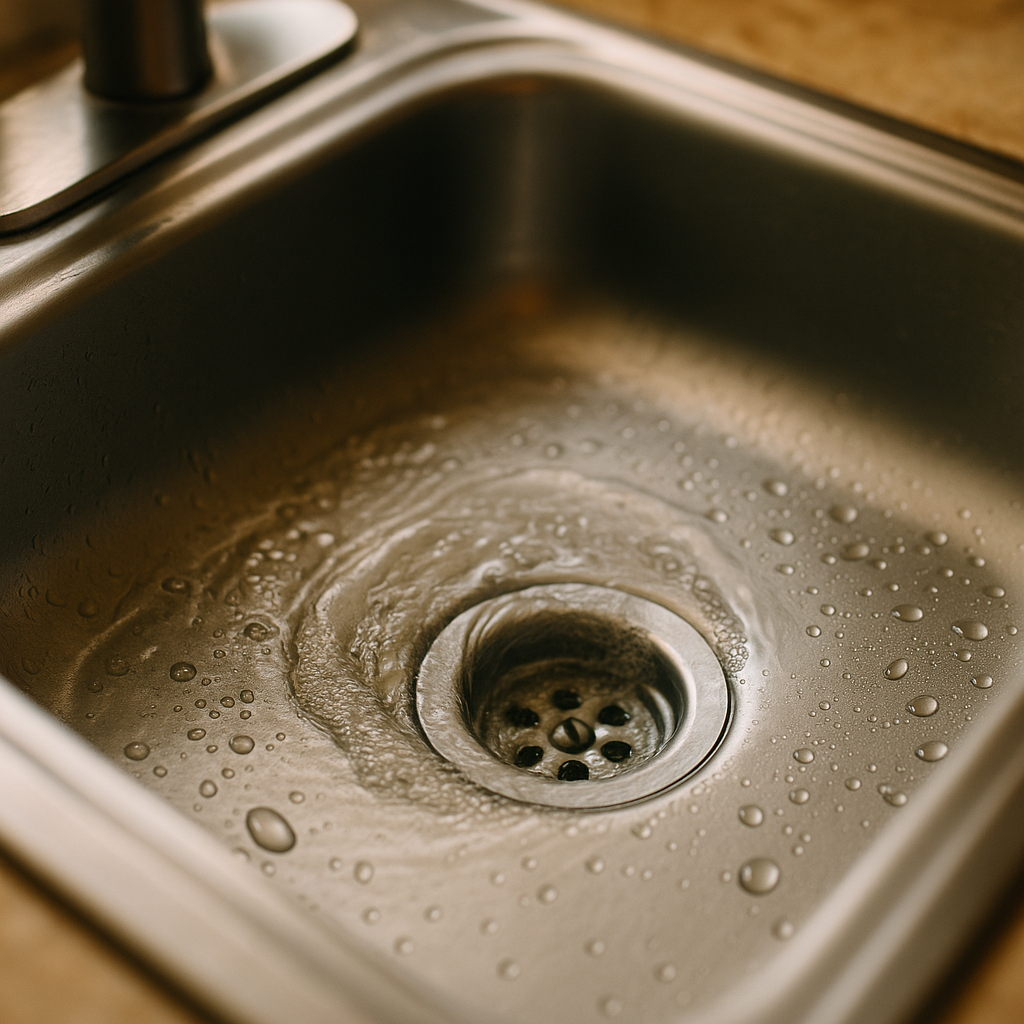
Sewage odors near trees or foundation plantings indicate broken pipes leaking underground. Patches of exceptionally green grass above your sewer line path show where nutrient-rich wastewater feeds the lawn. Sinkholes or settling spots in your yard mark where leaking pipes erode soil.
Seasonal patterns provide clues too. Problems worsen in late spring and summer when trees actively grow and consume more water. You might experience relief in winter when root growth slows, only to see issues return when warm weather arrives. Complete blockages often happen suddenly after months of gradually worsening drainage.
Persistent clogs that return days after snaking suggest roots rather than simple debris. Chemical drain cleaners won’t solve root intrusions and can damage older pipes. If your drain cleaning service clears a blockage only to have it return within weeks, roots are likely rebuilding the obstruction.
Professional Diagnosis Methods
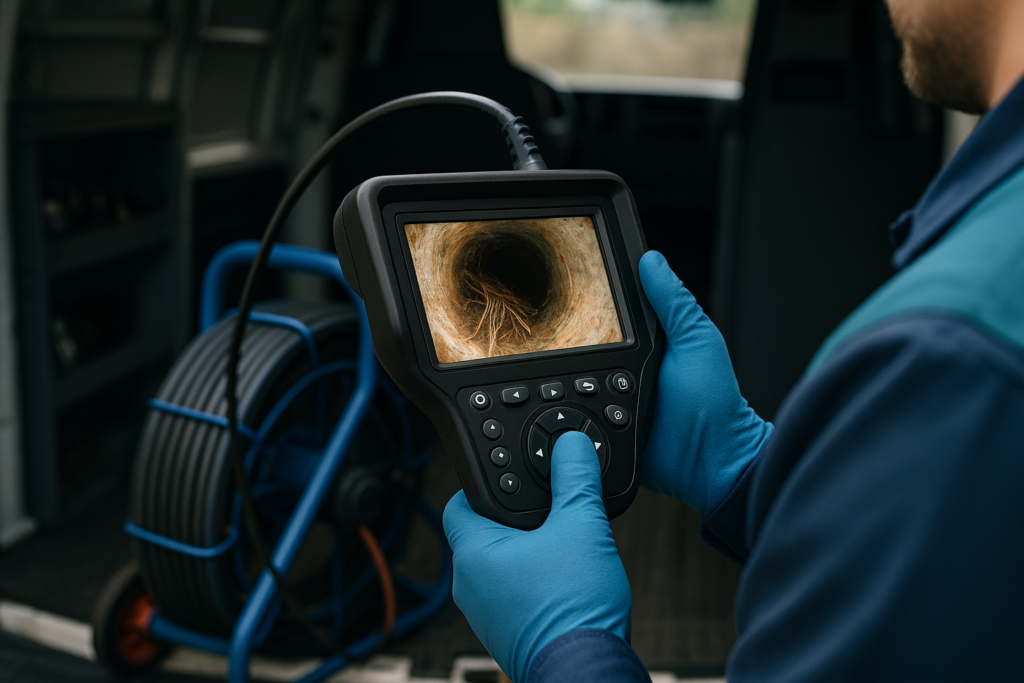
Modern camera inspection shows exactly what’s happening inside your pipes. A plumber feeds a waterproof camera through a cleanout access point. The camera travels through your sewer line while recording video. You can watch in real time as the camera reveals root masses, pipe damage, and blockage severity.
Video inspection identifies pipe material and condition. Clay pipes show separated joints where roots entered. Cast iron displays corrosion holes and collapsed sections. The camera measures the distance from the cleanout to problem areas, helping plan the most efficient repair approach. This information guides decisions about cutting roots, relining pipes, or complete replacement.
Some situations require locating equipment to mark where damaged pipes run underground. Radio transmitters attached to camera heads send signals to surface receivers. A technician walks your yard with the receiver, marking the exact path and depth of your sewer line. These marks show where excavation might be needed or where to avoid planting new trees.
Documentation from camera inspections proves useful for insurance claims and future home sales. Time-stamped video and detailed reports create a maintenance record. If you’re buying an older Columbus home, requesting a sewer camera inspection before closing can reveal hidden problems the seller should address.
Removal and Repair Solutions
Mechanical cutting offers a temporary solution for moderate root intrusions. A specialized drain snake with a cutting head chews through root masses. The severed roots flush away, restoring flow. This approach works when pipes remain structurally sound but roots have invaded through small openings. Most homes need repeat cutting every 1-3 years as roots regrow.
Hydro jetting uses high-pressure water streams to blast roots from pipe walls. The intense spray reaches 3000-4000 PSI, cutting roots and scouring away grease and scale. Hydro jetting cleans pipes more thoroughly than mechanical cutting and takes longer for roots to return. However, severely damaged or fragile pipes can’t withstand the pressure. Camera inspection determines whether your pipes can handle this method.
Chemical root treatments slow regrowth after mechanical removal. Foam-based products coat pipe interiors with root-killing compounds. While not a permanent solution, these treatments extend the time between mechanical cleanings. They work best as preventive maintenance rather than clearing active blockages.
Pipe relining creates a new pipe inside the old damaged one. Technicians pull a resin-soaked liner through your existing sewer line, then inflate it against the pipe walls. The resin hardens into a smooth, seamless pipe. This trenchless method requires no digging and typically completes in one day. Relining costs more upfront but eliminates root problems permanently since new pipe material has no joints or cracks.
Complete pipe replacement becomes necessary when pipes have collapsed or deteriorated beyond repair. Traditional excavation means digging a trench from your home to the street connection. Trenchless replacement methods like pipe bursting pull new pipe through the ground while breaking apart the old pipe. Both approaches permanently solve root problems but involve significant cost and disruption.
Cost Factors and Budgeting
Camera inspection typically runs $200-400 and provides critical information for planning repairs. Basic mechanical root cutting costs $300-600 for straightforward cases. Complex blockages or difficult access points increase prices. Hydro jetting ranges from $400-900 depending on line length and blockage severity.
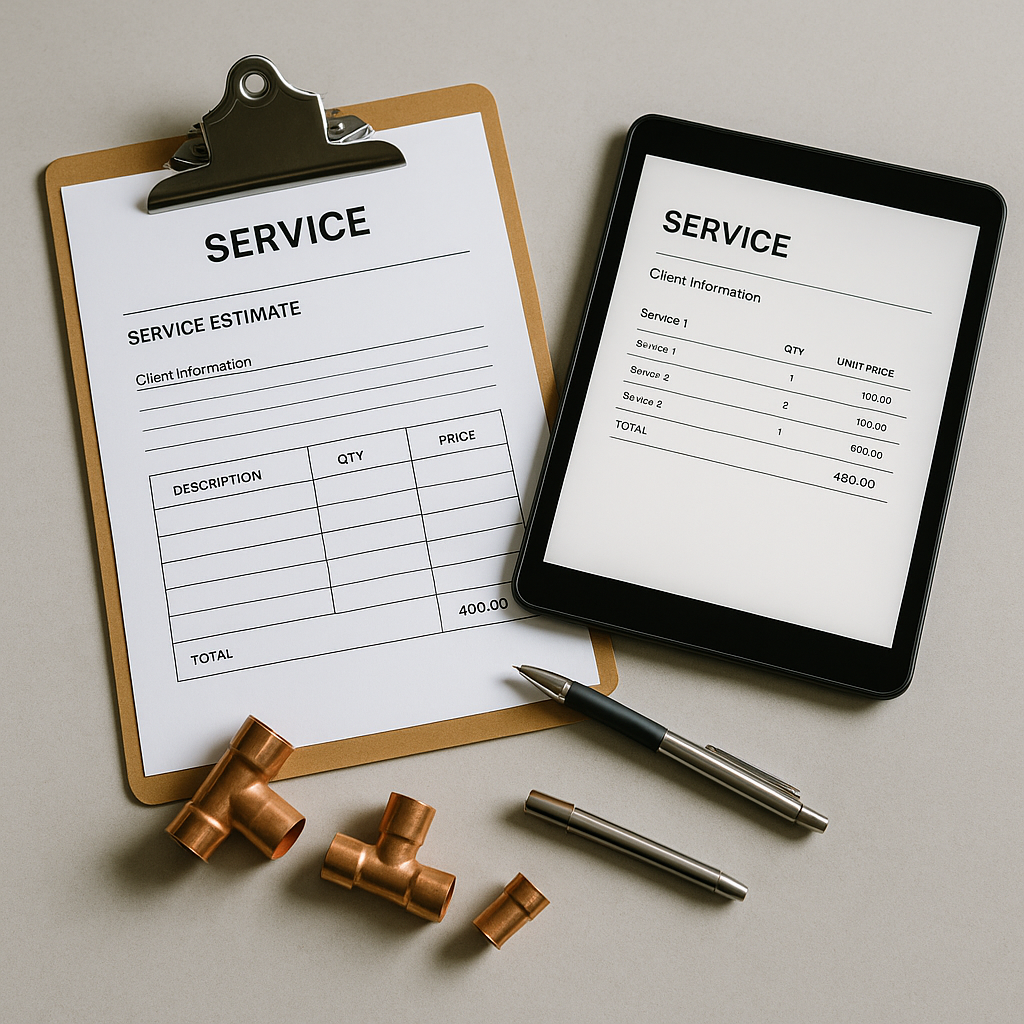
Pipe relining costs vary by length, typically $125-250 per linear foot. A standard residential sewer line replacement runs 40-100 feet from house to street. Total relining costs might reach $5,000-15,000 but include warranties covering decades. This price seems high until you compare it against repeated cutting every few years plus eventual excavation costs.
Traditional excavation and replacement can cost $4,000-20,000 depending on depth, distance, and landscaping restoration needs. Pipes under driveways or patios cost more to access. Cities often require permits for sewer work, adding several hundred dollars. Some Columbus homeowners qualify for utility assistance programs that offset sewer line replacement costs. Check with Columbus Water about available programs.
Emergency service calls cost more than scheduled maintenance. A sewage backup requires immediate attention from your 24-hour emergency plumbing service. After-hours calls typically add 50-100% to standard rates. Preventing emergencies through regular maintenance saves money long-term.
Prevention Strategies That Work
Know where your sewer line runs before planting trees. Most lines follow a straight path from your home’s street-facing side to the municipal connection. Stay at least 10 feet away when planting small trees, 20 feet for larger species. Choose trees with less aggressive root systems. Dogwoods, redbuds, and ornamental cherries cause fewer problems than willows, poplars, and silver maples.
Regular maintenance catches problems early. Schedule camera inspections every 3-5 years for homes with mature trees nearby. Annual inspections make sense if you’ve had previous root issues. Preventive cutting every 2-3 years keeps roots from building major blockages. This scheduled maintenance costs less than emergency calls.
Install root barriers when planting near sewer lines. These vertical sheets of dense material guide roots downward rather than laterally toward pipes. Barriers work best during new landscaping projects but can be retrofitted around existing trees if you’re willing to disturb root zones.
Consider proactive pipe relining if your home has aging clay or cast iron lines and mature trees. Addressing the problem before roots cause backups avoids emergency situations. The investment protects your home from sewage damage and provides peace of mind.
Maintain proper drainage around your foundation. Good surface drainage keeps tree roots from concentrating near your house where sewer lines typically run. Extend downspouts away from foundation plantings. Grade soil so water flows away from your home rather than pooling near trees.
Tree Roots in Columbus Sewer Lines
Frequently Asked Questions
How quickly do tree roots grow back after cutting?
Root regrowth depends on tree species, season, and how thoroughly roots were removed. Fast-growing trees like willows and poplars can rebuild significant masses within 6-12 months. Slower species might take 2-3 years. Hydro jetting removes more root material than mechanical cutting, often extending the clear period to 2-4 years. Chemical treatments applied after cutting can slow regrowth by another 6-12 months. Most homeowners with recurring root problems need service every 1-3 years until they address the underlying pipe damage.
Can I remove tree roots myself with a rental snake?
Rental equipment lacks the power and specialized cutting heads that professionals use. Standard drain snakes designed for sink and tub clogs won’t cut through established root masses. You might push through soft blockages temporarily but won’t remove roots from pipe walls. Improper technique can damage pipes or get equipment stuck, creating bigger problems. Professional service includes camera diagnosis to assess damage and select the right removal method. The cost difference between rental equipment and professional service is small compared to the risk of making problems worse.
Will cutting down the problem tree solve my sewer issues?
Removing the tree stops new root growth toward your pipes but doesn’t eliminate existing roots inside them. Dead roots decompose slowly over several years, continuing to cause blockages during that time. You’ll still need professional cleaning to remove existing root masses. Additionally, the pipe damage that let roots enter remains after tree removal. Cracks, separated joints, and corrosion holes still allow other nearby trees’ roots to invade. Tree removal makes sense as part of a comprehensive solution that includes pipe repair or relining, not as a standalone fix.
How do I know if I need pipe replacement or just root cutting?
Camera inspection reveals pipe condition and guides this decision. If pipes show minor cracks but remain structurally sound, periodic root cutting might suffice for years. Extensive cracking, separated joints, or collapsed sections require replacement or relining. Consider replacement if you’re having roots cut more than once every 12-18 months—the recurring service costs add up quickly. Age matters too. Clay or cast iron pipes over 50 years old often have deterioration throughout the line. Replacing aging pipes now prevents future problems and often costs less than multiple repair cycles.
Does homeowners insurance cover tree root damage to sewer lines?
Most standard homeowners policies specifically exclude sewer line damage from coverage. Some policies offer optional sewer backup coverage as an endorsement, typically costing $50-100 annually. This coverage might pay for damage to your home’s interior from backups but usually doesn’t cover excavating and repairing the line itself. Review your policy carefully or contact your agent. Some homeowners buy separate service line coverage through their utility or third-party insurers. These policies cover repair or replacement costs but often have waiting periods before coverage begins and may exclude pre-existing conditions.
Get Expert Help with Your Sewer Line
Dealing with tree roots in your sewer line means acting before a small problem becomes a basement full of sewage. Transit & Flow offers camera inspections that show exactly what’s happening underground, honest assessments of your options, and solutions matched to your situation and budget. Whether you need root cutting to buy time, hydro jetting for thorough cleaning, or a permanent fix through relining, we’ll explain each approach without pressure. Call Transit & Flow or visit our contact page to schedule an inspection. We serve homeowners throughout the Columbus area with straightforward advice and skilled work that solves problems the first time.
