
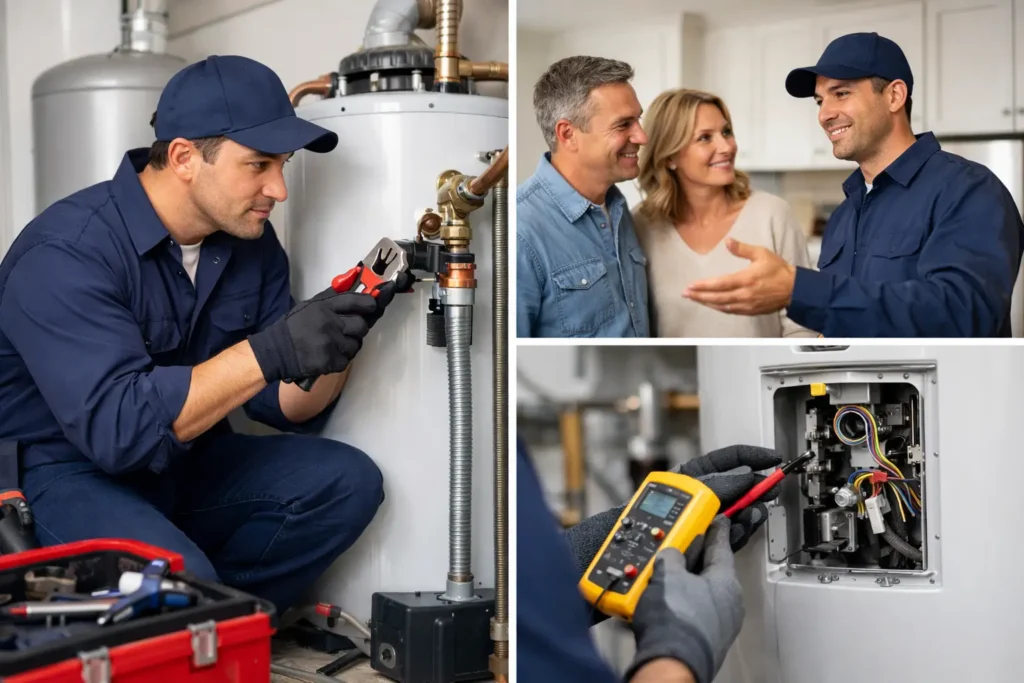
A cold shower is often the first sign that something is wrong, but water heater repair Dublin homeowners need can start with quieter warnings: rusty water, a small puddle near the tank, popping sounds, or hot water that runs out far sooner than it used to. These problems are disruptive, but they do not always mean replacement is the only answer. A prompt professional diagnosis can identify the cause, explain the practical options, and help you make a clear decision before a minor issue becomes water damage or a complete loss of hot water.
When Water Heater Repair in Dublin Makes Sense
Many water heater problems can be repaired when the tank itself is in good condition. Electric water heaters may develop an issue with a heating element, thermostat, wiring connection, or reset control. Gas models can have trouble with the pilot system, burner, ignition components, venting, or gas control. In either case, a trained technician should test the system and confirm the source of the problem rather than replacing parts based on a guess.
A repair is often the sensible option when the unit is relatively new, the tank is not leaking, and the issue is limited to a serviceable component. For example, inconsistent water temperature may come from a failing thermostat or heating element. A lack of hot water can sometimes be traced to an ignition or power issue. These repairs may restore reliable performance without the cost and disruption of installing a new unit.
Age matters, but it is not the only factor. A water heater nearing the end of its typical service life may still be worth repairing if the issue is straightforward and the tank is sound. On the other hand, repeated breakdowns, declining performance, or signs of corrosion can make replacement a more practical long-term choice. The right answer depends on the unit’s condition, repair needs, household hot-water demand, and your plans for the home.
Signs You Should Schedule Service Soon
Not every water heater concern requires an emergency call, but waiting can limit your options. If you notice a change in performance, it is better to arrange service before the problem turns into a no-hot-water situation.
Water that is lukewarm, fluctuates between hot and cold, or runs out unusually fast can point to a heating or control problem. Discolored water may indicate corrosion inside the tank or an issue with a related plumbing component. Rumbling, popping, or banging sounds can occur when sediment builds up and affects how the unit heats water. Those noises do not automatically mean the tank has failed, but they deserve a professional assessment.
A visible leak needs quicker attention. Moisture around connections may come from a valve, fitting, or relief component that can potentially be repaired. Water coming directly from the tank body is more serious because it often indicates internal corrosion. Once the tank itself has failed, replacement is generally the safer and more dependable path.
Pay attention to your utility costs as well. A water heater that runs longer than normal or struggles to recover between showers can use more energy while delivering less comfort. The issue may be repairable, but an inspection helps determine whether the unit is operating efficiently enough to justify keeping it.
What to Do if Your Water Heater Is Leaking
A leaking water heater can create stress quickly, especially when it is located near finished space, stored belongings, or a basement utility area. Protect people and property first. If water is actively spreading, move belongings away from the area and contact a plumbing professional for guidance and service.
If you can safely access the unit without standing in water or dealing with damaged electrical equipment, avoid using hot water until the situation has been evaluated. Do not attempt to take apart the heater, bypass safety components, or make gas or electrical repairs yourself. Water heaters combine pressurized water, heat, electricity, or fuel, and a quick fix can create a larger problem.
When scheduling service, share what you see: whether the leak is steady or intermittent, where the water appears to be coming from, whether hot water is still available, and whether you have noticed unusual noises or rusty water. Those details help the service team prepare for the visit and prioritize the right next step.
Repair or Replacement: How to Make the Call
The biggest decision is rarely just about today’s repair bill. It is about whether the water heater can provide dependable service after the repair is complete. A clear recommendation should account for the unit’s age, condition, repair history, tank integrity, and the cost of the needed work.
Replacement is commonly recommended when the tank leaks, corrosion is advanced, or repairs are becoming frequent. It may also be worth considering when your household’s needs have changed. A growing family, an added bathroom, or regular demand for several showers in a short period can reveal that the current water heater is undersized. In that case, replacing the unit with a properly matched system may improve comfort and reduce the frustration of running out of hot water.
There are trade-offs. Repairing a sound unit can be cost-effective and keep a reliable system in service. Replacing an aging unit may reduce the risk of another unexpected breakdown, but the best size and type depend on your home, fuel source, available space, and hot-water habits. A professional should explain both options in plain language, including what the work involves and what to expect before you approve anything.
What to Expect From a Professional Service Visit
A dependable water heater service visit starts with questions, not assumptions. The technician should ask about the symptoms, inspect the unit and surrounding connections, and test the relevant components. From there, you should receive a clear explanation of what is causing the problem and whether repair or replacement is recommended.
Pricing should be discussed before work begins. Water heater repairs can vary because the needed parts, unit type, access, and condition of the system all affect the scope of work. Flat-rate pricing and customer approval help remove uncertainty, especially when you are making a decision under pressure. If replacement is the better option, the conversation should include suitable choices for your home rather than a one-size-fits-all recommendation.
For Dublin homeowners, fast scheduling can make a meaningful difference when hot water is unavailable or a leak is causing concern. Transit & Flow provides clear communication, up-front pricing, and responsive residential service so homeowners can understand the problem and choose the next step with confidence.
Helping Your Water Heater Last Longer
Regular attention can help you catch issues before they interrupt your routine. Watch for changes in water temperature, new noises, moisture around the unit, or discolored hot water. Do not ignore a temperature and pressure relief valve that drips repeatedly, as it may signal a condition that needs professional evaluation.
Periodic maintenance can also be useful, particularly in homes where mineral sediment affects water heaters over time. The appropriate maintenance plan depends on the type, age, and condition of the unit. A service professional can recommend what makes sense without pushing unnecessary work.
Hot water should be something your household can rely on without thinking about it. When performance changes, a prompt inspection gives you the information needed to protect your home, manage costs, and restore comfort on terms you understand.
Dublin homes sit inside our regular service area, and response times are typically same-day for hot water emergencies. Transit & Flow provides water heater repair and replacement across Columbus and Dublin. Call (614) 333-8092 to schedule.
