
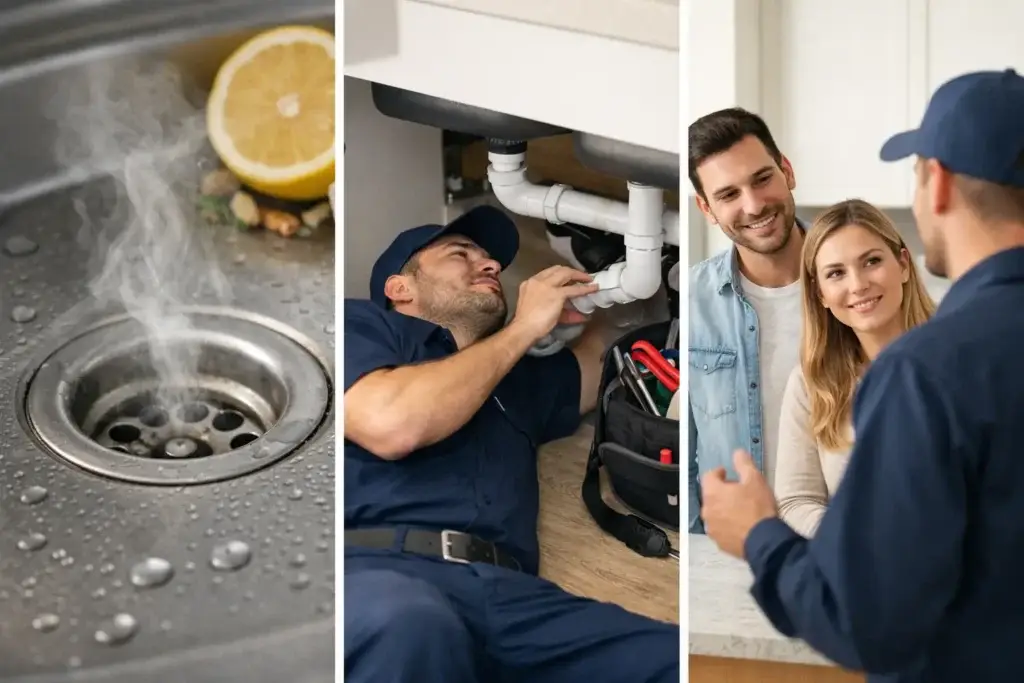
A drain odor can make an otherwise clean kitchen or bathroom feel unpleasant fast. If you are asking, why does my drain smell, the answer is often simple: trapped food, soap residue, or a drain trap that has dried out. But a persistent sewage-like smell can also point to a clog, venting issue, or a problem farther down the plumbing system.
The smell itself is a useful clue. A musty odor usually has a different cause than a sharp sewer-gas smell or a rotten-food odor from the kitchen sink. Paying attention to where the smell starts, when it appears, and whether the drain is also slow can help you decide whether a quick cleanup is reasonable or a professional inspection is the better next step.
Why Does My Drain Smell? Common Causes
Every drain has a job beyond carrying water away. Under the sink, tub, shower, or floor drain is usually a curved section of pipe called a trap. It holds a small amount of water that blocks sewer gases from entering the room. When that seal is missing or when buildup collects inside the drain, odors can escape.
A dry drain trap
A dry trap is one of the most common causes of a sewer-like smell, especially in a guest bathroom, basement, laundry room, or other space where a fixture is rarely used. If water in the trap evaporates, there is no longer a barrier between your home and the drain line.
This is usually easy to test. Slowly pour a few cups of water into the unused drain, then wait a short time and see whether the odor improves. For an infrequently used floor drain, adding water periodically can help keep the trap sealed. If the smell returns quickly after adding water, the trap may be leaking or there may be another issue that needs attention.
Buildup from soap, hair, and personal care products
Bathroom sink and shower drains collect more than water. Hair, soap film, toothpaste, skin oils, shaving products, and cosmetic residue can cling to the pipe walls. Bacteria feed on that material and create a sour, musty, or swampy odor.
You may notice this smell most when the water first starts running. That movement can stir up air in the drain and bring the odor into the room. A slow drain, standing water around the stopper, or visible residue are signs that buildup is likely part of the problem.
Food debris in the kitchen sink
Kitchen drain odors often come from food particles and grease that have collected in the sink drain, strainer, or garbage disposal. Even a disposal that seems to be working normally can hold residue on its interior surfaces. Common offenders include coffee grounds, grease, eggshell fragments, rice, pasta, and vegetable scraps.
Running cold water while using the disposal and allowing it to run briefly after the food clears can reduce residue. Still, a disposal is not designed to handle every leftover. Grease is especially troublesome because it may go down as a liquid, then cool and stick to the pipe farther along.
A partial clog in the drain line
A partial clog gives odor-causing material more time to sit in the pipe. Water may still drain, but it moves slowly and leaves behind residue. This is common in shower drains and kitchen lines, though it can happen in any fixture.
A clog closer to the fixture may affect one sink or tub. If several drains are slow, gurgling, or producing odors at the same time, the issue may be in a shared branch line or the main sewer line. That calls for a more thorough diagnosis rather than repeated cleaning attempts.
A problem with plumbing venting
Your plumbing system uses vent pipes to direct sewer gases safely outside and help water move through drains correctly. When venting is blocked or not working as it should, you may hear gurgling after flushing a toilet or draining a sink. You may also notice odors even though the traps contain water.
Venting problems are not always easy to confirm from inside the home. Because the cause can involve piping beyond the fixture itself, professional inspection is usually the practical choice.
A sewer line issue
A strong, ongoing sewer smell should not be ignored. Sewer line damage, a blockage, a loose connection, or a backup can allow odors to escape. In some cases, the first signs are subtle: a recurring odor, bubbling toilet water, or a floor drain that smells worse after laundry or showers.
The condition of the line, the age of the home, and which fixtures are affected all matter. A plumber can inspect the system, identify where the problem is occurring, and explain the repair options before work begins.
What to Do When Your Drain Smells
Start with the least invasive step that matches the problem. For a rarely used sink, tub, or floor drain, add water to restore the trap seal. For a bathroom sink or shower, remove visible hair and debris from the stopper or drain cover, then rinse the area with warm water.
For a kitchen sink, clean the basket strainer and remove any visible food debris. If you have a garbage disposal, turn it off at the switch before cleaning around the opening. Never put your hand or tools into the disposal chamber. A small brush used from above can help clean accessible residue around the sink opening.
Avoid relying on harsh chemical drain cleaners. They may not remove the source of the odor, and repeated use can create complications for some pipes and make later service more difficult. They are also a poor fit for a drain that is fully blocked, backing up, or connected to a suspected sewer problem.
A simple test can narrow down the cause. Notice whether the smell is limited to one fixture, whether the drain is slow, and whether odor appears after using another appliance or fixture. For example, a basement floor drain that smells after running the washing machine may be reacting to a larger drainage or venting issue, not just a dirty drain cover.
Signs It Is Time to Call for Drain Service
A smell that clears after routine cleaning and does not return may not need further attention. Persistent or worsening odors deserve a closer look, particularly when they come with drainage changes. Contact a plumbing professional when you notice four or more of these conditions:
- The odor smells strongly like sewage or returns soon after water is added to the drain.
- More than one sink, tub, shower, or toilet is draining slowly.
- Drains gurgle, toilet water bubbles, or water backs up into a lower fixture.
- You see water around a drain, under a sink, or near a floor drain.
- A basement or utility-room odor becomes stronger after doing laundry, showering, or flushing.
These symptoms can indicate a clog, vent issue, or sewer-line concern that will not be solved by surface cleaning. Early service may help prevent a more disruptive backup and gives you clearer information about what needs to be repaired.
For homeowners in Columbus and nearby Central Ohio communities, Transit & Flow can assess drain and sewer concerns, explain what is causing the odor, and provide clear recommendations with customer approval before work begins. Scheduling availability and the right repair depend on the condition of the system, access, and the findings at your home.
Keeping Drains From Smelling Again
The best prevention is simple, consistent use and cleaning. Run water in guest-bathroom and basement drains that sit unused. Remove hair from shower drains before it travels farther into the pipe. Keep grease, coffee grounds, and fibrous food scraps out of the kitchen drain, even if you have a disposal.
It also helps to address a slow drain before it becomes a complete blockage. A drain that takes longer to empty is often telling you that residue is building up inside. Acting when the warning is small is typically less stressful than dealing with a backup during a busy morning or holiday weekend.
A clean-smelling drain should stay that way. If the odor keeps coming back, treat it as a reason to get a clear diagnosis rather than masking it with air freshener. The right repair starts with finding where the smell is actually coming from.
