
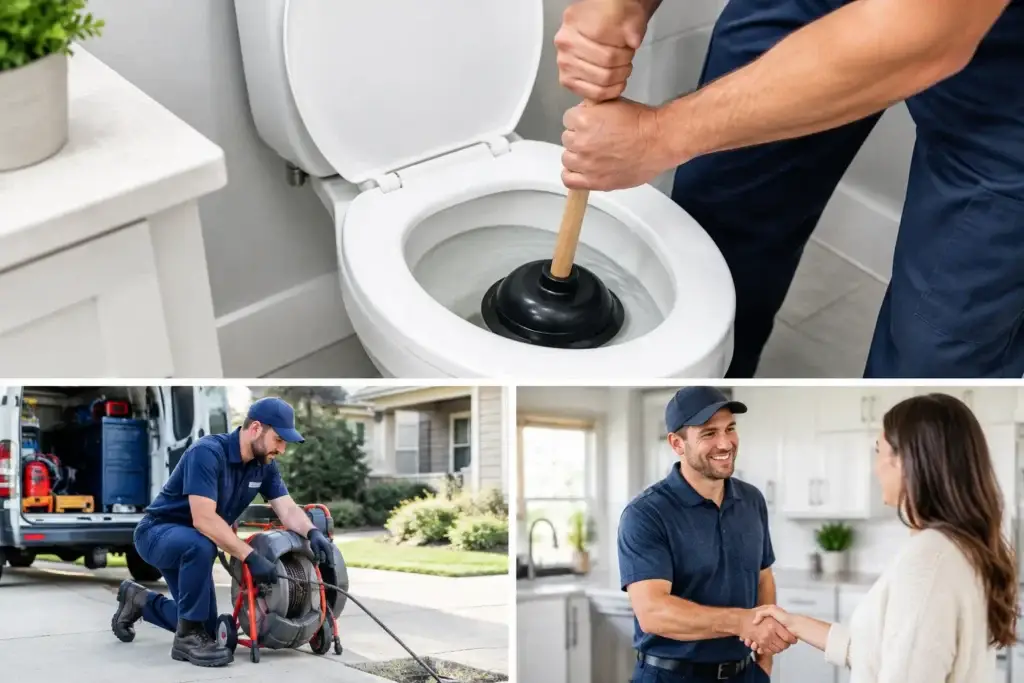
A toilet that clogs once after an obvious mistake is frustrating. A toilet that backs up every few weeks is a warning that something is not moving through the plumbing system as it should. If you are asking, “why does my toilet clog often,” the answer may be as simple as too much paper, but recurring clogs can also point to a partial blockage, a toilet issue, or a larger drain or sewer concern.
The key is noticing the pattern. Does one bathroom toilet clog while the rest of the home drains normally? Does it struggle after every flush? Are other drains gurgling or backing up too? Those details help determine whether the problem is limited to the fixture or needs professional diagnosis.
Why Does My Toilet Clog Often? Start With the Pattern
A healthy toilet should clear normal waste and a reasonable amount of toilet paper with one flush. It may not always flush quietly, but it should not require repeated flushing, frequent plunging, or a wait for the bowl level to drop.
When clogs keep returning, avoid treating every incident as a separate emergency. A plunger can clear a soft, nearby obstruction, but it cannot remove every blockage deeper in the drain line. Repeated plunging may provide temporary relief while the underlying restriction gets worse.
The timing matters, too. If a toilet clogs only when several people are home, usage and paper volume may be the issue. If it clogs even after light use, the cause is more likely a partial obstruction, poor flushing performance, or a drain line problem.
1. Too Much Toilet Paper or Non-Flushable Material
The most common reason for a toilet clog is putting too much material into the bowl at one time. Even toilets in good condition have limits, especially older models with less flushing power.
Paper towels, facial tissues, disinfecting wipes, cotton products, dental floss, diapers, and hygiene products do not belong in the toilet. Products labeled “flushable” can still catch on rough pipe surfaces, combine with other debris, and create a stubborn blockage farther down the line. Small children may also flush toys or other objects without realizing the consequences.
If the toilet began clogging immediately after a known item went missing, a foreign object may be lodged in the toilet trap. In that situation, forcing the flush repeatedly can send water over the rim without moving the object.
2. A Partial Blockage Is Still in the Trap or Drain
A toilet does not need to be completely blocked to create a recurring problem. A partial blockage leaves just enough room for water to pass, but solids and paper catch on the remaining obstruction. The bowl may eventually drain, then clog again during the next use.
Partial clogs often cause a slow flush, a bowl that fills higher than normal before draining, or gurgling sounds after flushing. These symptoms can develop gradually, which is why many homeowners assume the toilet simply needs a stronger plunger.
A professional drain assessment can determine whether the restriction is inside the toilet, in the branch drain serving that bathroom, or farther along in the home’s main sewer line. That distinction matters because each issue calls for a different repair approach.
3. The Toilet Does Not Have Enough Flushing Power
Sometimes the drain is open, but the toilet is not producing enough water flow to move waste through the trapway. This can happen when mineral buildup affects rim holes, when a tank component is not operating correctly, or when the tank water level is too low.
You may notice that the toilet has a weak or incomplete flush. The water swirls but does not carry material down reliably, or it takes two flushes to do the job of one. Older toilets can also have naturally weaker performance than newer models, particularly if they have internal wear or buildup.
A toilet repair visit can identify whether an adjustment or replacement part may improve performance. If the toilet is outdated, cracked, repeatedly repaired, or consistently underperforming, replacement may be the more practical long-term choice. The right option depends on the fixture’s condition, the bathroom’s plumbing, and your goals for the space.
4. The Drain Vent May Be Restricted
Your plumbing system uses vent pipes to help drains flow properly and prevent pressure problems. When a vent is blocked or restricted, the toilet may flush slowly, make bubbling sounds, or pull water from nearby fixtures.
Vent issues can look similar to a drain clog, which is why they are easy to misdiagnose. If a toilet gurgles and nearby sinks or tubs also drain poorly, the problem may not be isolated to the toilet itself.
Because vent piping is often difficult to access and diagnosing it requires an understanding of the entire drain system, this is usually a job for a plumbing professional. The goal is to identify the source of the airflow problem without making assumptions or performing unnecessary work.
5. There Is a Problem in the Main Sewer Line
One clogged toilet is often a local bathroom issue. Multiple slow drains, however, can signal a main sewer line concern. Watch for toilets that bubble when a washing machine drains, water coming up in a tub or shower after flushing, or repeated clogs in more than one bathroom.
In Central Ohio, older homes may have aging drain materials, shifting connections, or pipe conditions that restrict flow over time. Tree roots can also enter small openings in underground sewer pipes and catch paper and waste. Grease, wipes, and other debris may build up around those roots until the line begins to back up.
A sewer backup can become a sanitation issue quickly. If wastewater is rising in a tub, shower, floor drain, or toilet, stop using water throughout the home and arrange professional service. Do not keep flushing to test the problem.
6. An Older Toilet May Have an Obstructed Trapway
The trapway is the curved passage inside the toilet that carries waste from the bowl into the drain. Mineral scale, an object, or accumulated debris can narrow this passage over time. Unlike a simple paper clog, this type of restriction tends to return even when the toilet appears to clear temporarily.
This is especially common when a toilet has a long history of weak flushing or requires frequent plunging despite careful use. A technician can evaluate the fixture and determine whether clearing the obstruction is realistic or whether replacement would prevent continued service calls.
7. The Toilet May Not Be Installed or Sealed Correctly
A rocking toilet, water around the base, sewer odors, or a toilet that seems to clog after a recent remodel should be checked promptly. A poor connection at the base or an installation issue can affect performance and lead to water damage beneath the floor.
Not every loose toilet causes clogs, and not every clog means the base seal has failed. Still, these symptoms together deserve attention. Waiting can turn a straightforward toilet repair into flooring or subfloor damage.
8. The Problem Is Actually Further Down the Bathroom Drain
A bathroom group often shares part of the same drain line. If the toilet, shower, and sink are all slow, the obstruction may be in the shared branch line rather than in the toilet. Hair, soap residue, paper, and other debris can narrow that line until normal toilet use triggers a backup.
This is one reason it helps to mention all affected fixtures when scheduling service. Clear information allows the technician to begin with the most likely part of the system instead of focusing only on the visible symptom.
What to Do When a Toilet Keeps Clogging
First, prevent an overflow. If the bowl water is rising, remove the tank lid and close the flapper if possible to stop more water from entering the bowl. Avoid repeated flushing, and keep children and pets away from the bathroom until the water level is stable.
For a straightforward clog, a standard flange plunger may help. Use steady pressure and stop if the bowl begins to overflow. Do not use chemical drain cleaners in a toilet. They can damage components, create hazardous splashing, and make later service more difficult.
Call for professional help when the clog returns, the toilet will not clear, other drains are affected, or water appears in another fixture after flushing. Those signs often mean the issue is beyond what a plunger can solve.
When to Schedule Toilet or Drain Service
A recurring toilet clog is worth scheduling before it becomes a full backup. Prompt service is particularly helpful if you are seeing slow drainage, gurgling, sewer odor, a weak flush, or water at the toilet base.
For homeowners in Columbus and nearby communities, Transit & Flow can assess the toilet, drain line, and visible system symptoms, then explain the recommended next step before work begins. You should know what is being addressed and receive clear pricing information for approval rather than being left to guess at the cause.
A toilet that clogs often is rarely something you need to live with. Addressing the pattern early can protect your bathroom, reduce the chance of an unpleasant backup, and help your home’s plumbing work the way it should.
