
A slow main drain is frustrating. A sewage backup is worse. When you need answers fast, one of the first questions is usually about sewer camera inspection cost and whether the inspection is worth paying for before any repair work begins.
In many cases, it is. A sewer camera inspection gives a plumber a direct look inside the drain or sewer line so the problem is not based on guesswork alone. If a line has roots, a break, a belly, grease buildup, or a blockage deep in the pipe, the camera helps identify what is actually happening and where it is happening. That can save time, reduce unnecessary work, and help you approve the right next step with more confidence.
What is a sewer camera inspection?
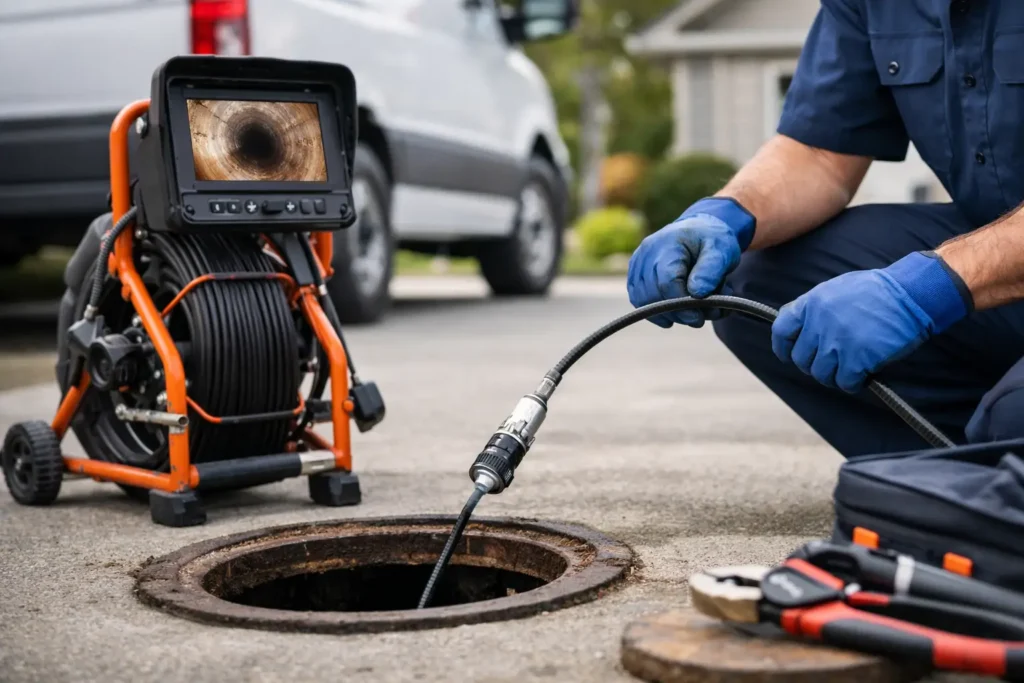
A sewer camera inspection uses a specialized waterproof camera attached to a flexible cable. The camera is fed through a drain or cleanout so the technician can view the inside of the line in real time. Instead of assuming the issue is near the fixture that is backing up, the inspection shows whether the real problem is farther down the system.
For homeowners, that often means finally finding out why the same drain keeps clogging. For property managers and commercial owners, it can help confirm whether the issue is isolated to one section of pipe or affecting the broader building drain. That distinction matters because the repair options and costs can be very different.
Average sewer camera inspection cost
Sewer camera inspection cost usually depends on access, line length, the condition of the system, and whether the inspection is part of a larger diagnostic or service visit. In many markets, a basic residential sewer camera inspection may fall somewhere around $250 to $500. Some jobs come in lower, while more complex inspections can go higher.
That range is only a starting point. A straightforward inspection through an accessible cleanout is very different from a visit where the technician first has to locate access, clear heavy blockage, or inspect a longer or more complicated line. Commercial properties and multifamily buildings can also involve more time and more system complexity, which can affect pricing.
The key point is that a camera inspection is not just a line item. It is part of the diagnostic process. The value comes from making sure the repair recommendation matches the actual condition underground.
What affects sewer camera inspection cost?
The biggest factor is access. If there is an exterior cleanout in a convenient location and the line is open enough for the camera to move through, the inspection is usually more straightforward. If access is limited, or if the technician has to work through an interior point with more setup, the inspection may take longer.
Another factor is whether the line is already blocked. A camera cannot always move through standing sewage, heavy grease, packed debris, or severe root intrusion. In some cases, drain cleaning or cabling may need to happen first so the inspection can provide usable information. That can change the total visit cost.
Line length also matters. A short residential run from a house to the city connection is not the same as a longer lateral, a commercial building drain, or a system with multiple branches. The more pipe that needs to be checked, the more time is involved.
Property type can affect pricing too. A single-family home inspection is typically simpler than evaluating a restaurant drain line, a small office building, or an apartment property with recurring backups. In those cases, the technician may need to identify which section of the system is responsible before the camera work even begins.
When the inspection is worth it
If you are dealing with one isolated clog in a sink or tub, a camera inspection may not always be the first step. But if the same problem keeps coming back, or if multiple drains are slow at once, the inspection becomes much more valuable.
It is especially useful when there are signs of a main sewer issue, such as backups at floor drains, sewage coming up in a basement drain, or toilets gurgling when water runs elsewhere in the building. Those symptoms often point to a deeper problem than a standard fixture clog.
A camera inspection is also worth considering before major sewer repairs or replacement decisions. If someone is recommending excavation, lining, or significant drain work, you want a clear view of the pipe condition first. Seeing the issue helps you understand whether the recommendation is based on actual findings rather than assumption.
For homebuyers and property managers, inspections can also make sense during due diligence. An older property may look fine above ground while hiding root intrusion, offsets, or deteriorated piping below. Catching that early can help with planning and budgeting.
Sewer camera inspection cost versus repair cost
Some customers hesitate at the inspection fee because they want to skip straight to the fix. That is understandable, especially during a stressful backup. But moving ahead without locating the real problem can cost more in the long run.
For example, a line might appear clogged when the real issue is a collapsed section of pipe. Or it may seem like a sewer replacement is needed when the actual problem is concentrated root growth in one area that can be addressed more strategically. The inspection helps narrow the options.
This is where cost clarity matters. Paying for a diagnostic step can feel like an extra expense, but it often prevents unnecessary work, repeat service calls, and approvals based on incomplete information. In many cases, that makes the inspection one of the more cost-effective parts of the process.
What to expect during the appointment
Most sewer camera inspections begin with a conversation about symptoms. The technician will want to know what is backing up, how often it happens, and whether the issue affects one fixture or the whole property. That context helps determine the best access point and whether cleaning should happen before inspection.
Once access is confirmed, the camera is inserted into the line and advanced through the pipe while the technician watches the live feed. They are looking for blockages, cracks, separated joints, root intrusion, low spots, buildup, and other conditions that can affect flow.
After the inspection, you should expect a clear explanation of what was found and what the practical next step is. That may mean drain cleaning, repair, replacement, or monitoring the issue if the condition is minor. A professional service company should walk you through the recommendation in plain language and give you pricing only after the situation has been evaluated.
Why prices can vary from one property to another
This is one of the biggest reasons sewer pricing feels inconsistent. Two customers may both ask for a camera inspection, but one property has an exterior cleanout and a 40-foot line, while the other has no obvious access point, a recurring backup, and a heavily obstructed pipe in an older neighborhood. Those are not the same job.
In Columbus-area homes, age and infrastructure can play a role as well. Older properties may have clay, cast iron, or Orangeburg piping, while newer homes may have PVC with a completely different set of concerns. Tree-heavy lots, additions, and past repair history can all change what the camera reveals and how long the visit takes.
For that reason, the most useful pricing conversations are the ones tied to real site conditions. A visible starting price or service call structure can help you understand the first step, but final repair recommendations should still depend on what the inspection shows and what you approve.
How to get the most value from a sewer camera inspection cost
Ask whether the inspection is being performed as a standalone diagnostic or as part of a broader sewer service visit. It is also smart to ask what conditions could affect the final price, such as the need for cleaning before camera access or the complexity of the property layout.
You should also ask what you will receive after the inspection. A useful service experience includes more than a camera run. It should give you a clear explanation of the problem, where it is located, and what options make sense next based on urgency, budget, and long-term reliability.
That is especially important for landlords, HOAs, and commercial properties where one decision can affect multiple units or tenants. Clear findings support faster approvals and fewer surprises.
For Columbus homeowners and property managers, the right sewer service should feel organized from the start. At Transit & Flow, that means clear communication, practical recommendations, and customer approval before any repair work begins.
If you are weighing sewer camera inspection cost, the best way to look at it is simple: you are not just paying to see inside a pipe. You are paying to make the next decision with better information, less guesswork, and a clearer path forward.
