
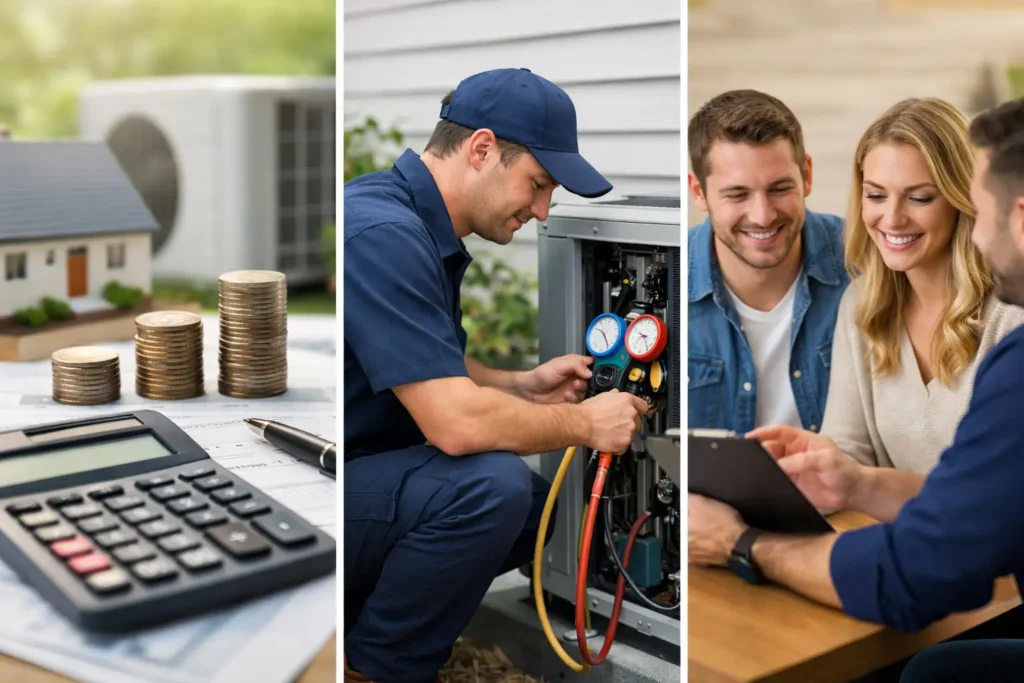
When your AC quits during a Columbus heat wave or your furnace gives out on a freezing night, the question usually is not whether you need service. It is how you are going to pay for it. That is where HVAC financing options explained in plain language can make a stressful decision feel more manageable.
For many homeowners, financing is not about stretching for extras. It is about handling a necessary repair or replacement without draining savings all at once. A good financing plan can help you move forward faster, but only if you understand what you are agreeing to. The right choice depends on the size of the job, your monthly budget, and whether you need a short-term repair or a full system replacement.
HVAC Financing Options Explained for Homeowners
Most HVAC financing falls into a few familiar categories. You may see contractor-arranged financing, personal loans, credit cards, or home equity borrowing. Each works differently, and each comes with trade-offs.
Contractor financing is often the first option homeowners see because it is built into the quote process. This can be convenient when you need answers quickly. In many cases, you can review payment options during the estimate and decide whether the monthly payment fits your budget before work begins. That convenience matters when your system is down and you are trying to make a decision under pressure.
Personal loans are another common route. These usually provide a lump sum that you repay over a fixed term. Some homeowners like personal loans because the payment schedule is predictable. Others prefer not to open a new loan if the repair is relatively small and could be handled another way.
Credit cards can work for lower-cost repairs or when you plan to pay the balance off quickly. They can also be risky if the balance sits too long and interest adds up. A card may feel simple in the moment, but it is not always the lowest-cost option.
Home equity products sometimes offer lower rates, but they are usually slower and better suited for larger planned projects rather than urgent breakdowns. If your furnace has already failed, a long approval process may not line up with what you need.
The Main Financing Paths and When They Make Sense
The best option often comes down to timing. If you need a fast repair decision, contractor financing or a personal loan may be more practical than borrowing tied to your home. If you are planning ahead for a replacement, you may have more time to compare terms carefully.
A smaller repair and a full HVAC replacement should not be viewed the same way. Financing a modest repair over a long term can leave you paying more than expected once fees or interest are considered. On the other hand, spreading out the cost of a major replacement can make sense if it protects cash flow and lets you install the right system instead of delaying until conditions get worse.
This is where honest recommendations matter. A trustworthy HVAC company should explain the repair versus replacement decision clearly, then walk you through payment options without pushing you toward a choice that does not fit your situation.
What to Look at Beyond the Monthly Payment
Monthly payment is important, but it should not be the only number you consider. A lower payment can sometimes mean a longer term or more total interest paid over time.
Start with the annual percentage rate, or APR. That figure gives you a fuller picture of borrowing cost than the interest rate alone. Then look at the repayment term. A 12-month term will usually mean a higher monthly payment than a 60-month term, but you may pay less overall.
You should also review whether there are deferred interest terms, late payment penalties, or fees for early payoff. Deferred interest can catch people off guard. If a balance is not paid off by the promotional deadline, interest may be added back in a way that changes the real cost of the project.
Ask for clarity on the total amount financed, the expected payment range, and what happens if you want to pay it off sooner. Clear communication at this stage can prevent frustration later.
How Approval Usually Works
Approval standards vary by lender, but most financing applications look at some combination of credit history, income, and existing debt. Some programs are designed for strong credit profiles, while others are more flexible.
The key point is that prequalification and final approval are not always the same thing. You may see an estimated offer first, then receive final terms after the lender completes its review. That is one reason it helps to slow down long enough to understand the paperwork, even if the HVAC issue is urgent.
If you are comparing options, keep the process organized. Review the term length, APR, monthly payment, and any promotions side by side. A calm comparison usually beats a rushed decision.
When Financing a Repair Makes Sense and When It Does Not
Financing can be a smart tool, but it is not automatically the right answer for every job. If the repair is small and you can pay for it comfortably, avoiding financing may save money. If the repair is large or unexpected, financing may help you handle the issue now while protecting emergency savings for other household needs.
It also depends on the age and condition of the system. Financing a major repair on an older unit may not make sense if replacement is likely in the near future. In that case, applying the money toward a new system could be the better long-term move. There is no one-size-fits-all answer here. The right decision comes from looking at the repair cost, the system condition, and your budget together.
HVAC Financing Options Explained for Replacements
Replacement projects usually involve larger numbers, which makes financing details even more important. When comparing replacement financing, think beyond the equipment itself. Installation quality, system sizing, and job scope all affect long-term value.
A lower upfront price does not always lead to the best outcome if the system is not the right fit for the home. Likewise, the longest financing term is not always the safest choice if it creates too much interest over time. The goal is to find a payment structure that supports the right solution for your home, not just the smallest monthly amount on paper.
For planned replacements, ask whether there are seasonal promotions, financing specials, or maintenance plan benefits that may improve overall value. Just make sure you understand the conditions before making a decision. Good service companies keep this process straightforward and get customer approval before work starts.
Questions Worth Asking Before You Commit
Before signing any HVAC financing agreement, ask a few direct questions. What is the estimated monthly payment, and for how many months? What is the APR? Is there a promotional period, and what happens after it ends? Are there penalties or fees if you miss a payment or pay off the balance early?
You should also confirm what portion of the project is covered. In some cases, financing may apply to the equipment and installation together. In others, there may be exclusions or conditions. It is better to catch those details before the job is scheduled.
A reliable contractor should be comfortable answering these questions clearly. If the explanation feels vague, rushed, or overly sales-driven, that is a reason to pause.
A Practical Way to Make the Decision
If you need HVAC work soon, start with the home problem first and the financing second. Get a clear diagnosis. Understand whether you are looking at a repair, a temporary fix, or replacement. Then compare payment options based on the actual scope of work rather than guessing.
For homeowners in Columbus and surrounding communities, fast response matters, but so does cost clarity. The best experience usually comes from working with a company that explains the problem, provides up-front pricing, and gives you time to review options before approving the work. Transit & Flow takes that approach because customers need straightforward answers, especially when the house is too hot, too cold, or simply not working the way it should.
Financing should reduce pressure, not create more of it. If the terms are clear, the monthly payment is realistic, and the work being recommended makes sense for your home, financing can be a practical way to move forward with confidence.
Explore our flexible payment plans and apply in minutes. See all HVAC financing options Columbus homeowners use to spread the cost of major system upgrades.
