
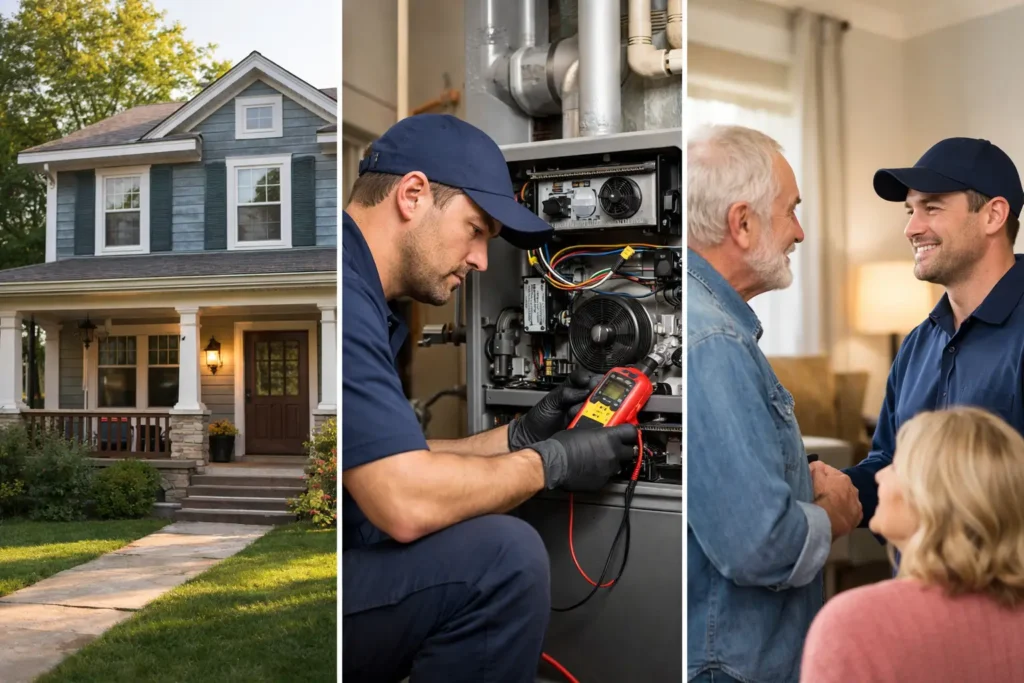
A furnace that seems to work fine in October can become a very different system in January, especially in an older home. Furnace maintenance for older homes matters because age affects more than the equipment itself. Older ductwork, drafty rooms, dated thermostats, and years of repairs can all change how your heating system performs when Columbus temperatures drop.
In many older houses, the furnace is only one part of the story. You might have uneven airflow between floors, rooms that stay cold no matter how high the thermostat is set, or utility bills that climb faster each winter. That does not always mean a full replacement is the first answer. Often, it means the system needs a careful inspection, routine service, and clear recommendations based on the condition of the home.
Why older homes need a different approach
Newer homes are usually built with tighter envelopes, more consistent insulation, and duct systems designed around modern HVAC equipment. Older homes can be very different. Some have original or partially updated ductwork. Some have additions that changed the layout without fully reworking the heating system. Others have a newer furnace connected to older components that still limit performance.
That is why furnace maintenance should not be treated like a quick filter swap and a visual glance. In an older home, a proper visit should look at how the furnace starts, heats, cycles, and distributes air. It should also account for wear that shows up around the system, not just inside it.
A furnace in an older property may still have years of service left. But maintenance becomes more important, not less, as the system ages. Small issues that might be manageable in a newer setup can turn into no-heat calls, airflow problems, or rising operating costs in an older one.
What furnace maintenance for older homes should include
The goal is not to overcomplicate routine service. It is to catch common age-related issues before they interrupt heat during cold weather. A thorough maintenance visit typically starts with the basics, including filter condition, burner operation, ignition performance, blower function, and thermostat response. Those checks matter in every house.
In older homes, the inspection should go further. Technicians often need to pay close attention to airflow restrictions, signs of heat loss, venting condition, electrical wear, and the general fit between the furnace and the rest of the home. If the equipment has been repaired multiple times over the years, loose connections, worn parts, and patchwork fixes are not unusual.
Maintenance may also include cleaning key components, checking temperature rise, testing safety controls, and confirming the system is cycling the way it should. If something looks off, the next step should be clear communication about what was found, what needs attention now, and what can be monitored.
That clarity matters for homeowners. You do not need a flood of technical terms. You need to know whether the issue is affecting safety, reliability, comfort, or efficiency, and what the practical options are.
Common furnace problems in older homes
Some furnace issues show up because the equipment is old. Others show up because the house puts extra strain on the system. The difference matters.
Short cycling is a common example. Sometimes it points to a furnace issue, such as a dirty filter, a blower problem, or a control concern. In older homes, it can also relate to thermostat placement, airflow imbalance, or oversized equipment installed after a prior replacement.
Uneven heating is another frequent complaint. One room feels comfortable, another stays chilly, and the second floor may be much warmer or cooler than the first. That does not always mean the furnace is failing. It may mean the duct system is leaking, undersized, poorly balanced, or simply not suited to the way the home was expanded or remodeled over time.
Noisy operation is also worth taking seriously. Rattling, booming, squealing, or persistent vibration can indicate loose parts, aging motors, duct movement, or combustion-related issues. Older systems naturally make some noise, but a change in sound is usually a sign that something needs attention.
Then there is the issue many homeowners notice first – rising utility bills. If your heating costs keep increasing without a major weather change, maintenance can help identify whether the problem is filter neglect, airflow loss, dirty components, failing parts, or heat escaping through the home faster than the furnace can keep up.
Signs your older furnace needs service soon
Some problems can wait for a scheduled appointment. Others should be looked at sooner. If your furnace starts blowing cool air, turning on and off repeatedly, struggling to keep up, or making new noises, it is smart to have it checked before a cold snap makes the problem worse.
You should also pay attention if the thermostat setting keeps creeping upward just to stay comfortable. In older homes, homeowners sometimes assume that is normal. It is common, but it should not be ignored. The system may be working harder than it should.
A yellow burner flame, unusual odors that do not go away after startup, frequent filter clogging, or a noticeable drop in airflow from the vents are also signs to schedule service. Even if the furnace still runs, those symptoms can point to problems that grow more expensive if left alone.
Maintenance helps, but it does not fix every comfort issue
This is where honest recommendations matter. Furnace maintenance for older homes can improve reliability and help catch avoidable repairs. It can also restore some lost performance. But maintenance alone cannot solve every heating complaint.
If the home has major air leaks, poor insulation, failing ductwork, or an aging furnace near the end of its useful life, service may reveal limits that cleaning and tune-ups cannot overcome. That does not mean you need to replace everything at once. It means the next step should be based on what is actually causing the problem.
Sometimes the right path is routine maintenance and one targeted repair. Sometimes it is a broader plan that addresses the most urgent issue now and the rest later. In older homes, phased improvements are often the most practical option.
How often should older homes have furnace maintenance?
For most homes, annual furnace maintenance before heavy winter use is the best baseline. For older homes, that schedule becomes even more valuable because wear tends to build quietly. A system can appear fine during mild weather and then struggle once temperatures stay low for days at a time.
If the furnace is older, runs heavily, or has had multiple service calls in recent seasons, staying consistent with maintenance is one of the simplest ways to reduce surprises. It also gives you a better sense of the system’s condition year to year. That makes planning easier if a repair or replacement decision comes up later.
What homeowners can do between professional visits
There are a few safe, simple steps that help support furnace performance. Change the filter on schedule, keep vents open and unobstructed, and pay attention to any change in airflow, sound, or smell. If you use a basement or utility area for storage, keep the space around the furnace clear.
Beyond that, older heating systems are usually better served by professional inspection rather than trial-and-error fixes. If something seems off, the safest move is to have it evaluated. A clear diagnosis is more useful than guessing, especially when the system is tied to aging ductwork or older controls.
Choosing service for an older home
Not every furnace visit is the same. Older homes benefit from a company that looks at the full picture, explains findings in plain language, and gives you options before work begins. That is especially helpful when the issue is not a single failed part but a combination of equipment age, airflow problems, and house-related heat loss.
If you are in Columbus or the surrounding area, that local experience matters too. Winter demands in Central Ohio can expose weak spots fast, and older homes often need a more careful approach than a quick standard check. Transit & Flow focuses on clear communication, up-front recommendations, and practical next steps so homeowners can make informed decisions without added stress.
A well-maintained furnace will not make an older home brand new, but it can make winter a lot more predictable. If your system is aging, your comfort is inconsistent, or your heating bills are heading the wrong direction, a professional maintenance visit is a smart place to start before the cold settles in.
