
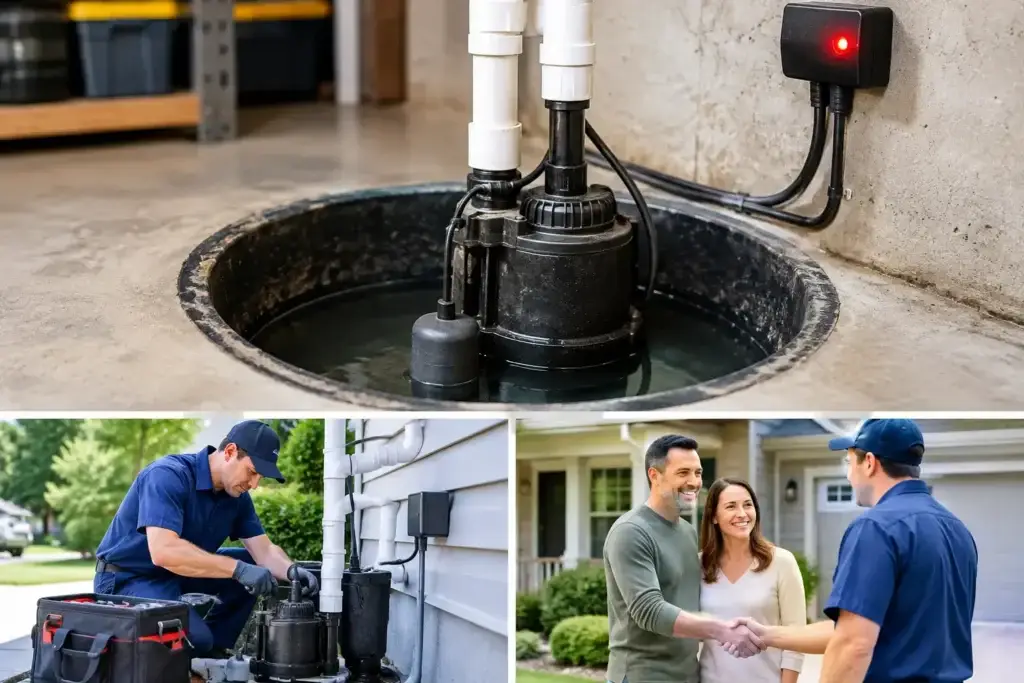
A sump pump can stop working quietly while rainwater keeps entering the pit. That is why sump pump alarms matter: they give you a warning before a rising water level becomes a flooded basement, damaged flooring, or a stressful cleanup. For Columbus homeowners, where heavy rain and spring thaws can put extra pressure on drainage systems, a simple alarm can provide valuable time to respond.
Why Sump Pump Alarms Are Worth Having
A sump pump does one job that most homeowners do not think about until it fails: moving groundwater away from the foundation. When the pump loses power, a float switch sticks, the discharge line is blocked, or the pump cannot keep up with incoming water, the pit can fill faster than expected.
An alarm does not replace the pump or remove water by itself. It alerts you that the water level has reached a point where the system may need attention. That distinction is important. The alarm buys time, but a backup pump, battery system, or prompt repair is what helps protect the home from water damage.
Alarms are especially helpful when the sump pit is in a finished basement, utility room, crawl space, or another area you do not check every day. They can also help homeowners who travel often or own a property that sits vacant for part of the year.
An alarm is not the same as a backup system
A high-water alarm and a backup sump pump solve different problems. The alarm tells you there is a problem. A battery backup pump can continue moving water during a power outage or when the primary pump fails, depending on the system and conditions.
Many homes benefit from both. If the primary concern is knowing when the pit is filling, an alarm may be the right first step. If your basement has flooded before, your area loses power during storms, or the pump runs frequently during wet weather, a backup system may be a practical recommendation as well.
Types of Sump Pump Alarms
The best alarm depends on where your sump pit is located, whether someone is usually home, and how quickly you need to receive a warning. Most options fit into four categories:
- Audible alarms sound a loud alert when water rises above a set level. They are straightforward and effective when the pit is near living space and someone is home to hear them.
- Wireless alarms use a sensor at the pit and a separate receiver elsewhere in the home. This can be useful when the sump pump is in a basement but you spend most of your time upstairs.
- Wi-Fi or cellular-connected alarms can send a notification to your phone. They are helpful for frequent travelers, second homes, and homeowners who want to monitor conditions away from the house. They depend on the selected service, power, and internet or cellular connection.
- Combination monitoring systems may track high water, power loss, pump activity, or battery condition. These systems offer more information, though they typically cost more and may require more setup.
A basic audible alarm can be enough for a homeowner who is usually nearby. A connected model may make more sense if no one is consistently home during the day. The right choice is not always the most feature-heavy one. It is the one you will hear or see quickly enough to act on.
How to Choose a Sump Pump Alarm
Start with the kind of warning you can realistically respond to. A loud basement alarm will not help much if you sleep on the second floor with closed doors or spend long workdays away from home. In that situation, a wireless receiver or phone notification may be more useful.
Next, consider power reliability. Some alarms use batteries, while others plug into an outlet and may include battery backup. A plugged-in device can be convenient, but storms that cause a sump problem can also cause a power outage. Ask how the alarm behaves when power is lost and how it notifies you about a low battery.
Placement matters too. The sensor should be positioned high enough to signal a problem before water reaches the top of the pit, but not so low that normal pump cycles trigger false alarms. The pump, float switch, and check valve configuration can affect the best sensor position.
If your sump basin is covered, crowded with piping, or difficult to access, installation may be less straightforward. A professional can assess the setup, recommend a compatible alarm, and make sure the sensor does not interfere with normal pump operation.
How to Test Sump Pump Alarms Safely
An alarm that has never been tested is not much reassurance. Check the manufacturer instructions for the specific model, including the recommended testing schedule and battery replacement interval. Many alarms have a test button that confirms the sounder or receiver is working.
For a water-level sensor, testing may involve carefully raising the float or sensor according to the product instructions. If you are unsure how the device works, do not force the float, pull on wiring, or alter the pump setup. Avoid handling electrical equipment near standing water.
It is also wise to test the sump pump itself separately. During a normal maintenance visit, a technician can check whether the pump activates, moves water properly, and shuts off as expected. An alarm can tell you the pit is filling, but regular pump maintenance helps identify the cause before the alarm is needed.
What to Do When Your Alarm Sounds
First, take the warning seriously, even if the pit does not appear close to overflowing. Check the area only if it is safe to do so. Look for a rising water level, a pump that is silent, a pump that runs continuously, or water near electrical outlets.
If water is approaching the top of the basin, the pump has stopped, or water is spreading across the floor, call for emergency plumbing help. Do not step into standing water where electrical equipment, cords, or outlets may be present. If you can safely confirm that the pump has lost power, leave electrical diagnosis and repairs to a qualified service professional.
A high-water alarm may also point to an outside issue. A blocked discharge line, frozen outlet, damaged check valve, or unusually heavy groundwater can prevent the system from keeping up. Replacing a pump without checking the full system can leave the underlying problem unresolved.
Signs Your Sump System Needs Attention Before the Alarm Sounds
Do not wait for an alarm if you notice changes in how the sump system operates. A pump that runs constantly, cycles on and off rapidly, makes grinding or rattling noises, or leaves water in the pit may need service. Damp spots near the basin, a musty basement smell, or visible rust and corrosion are also worth addressing.
Pay attention after a major storm. If the pump ran for long periods, the discharge area stayed wet, or you heard the system operating more often than usual, scheduling an inspection can help identify wear before the next rainfall. The same applies if your pump is older and you do not know when it was last serviced or replaced.
Professional Help for Alarm and Pump Problems
Sump systems are simple in purpose but can be affected by power, drainage, plumbing, and mechanical issues. A professional evaluation can determine whether you need an alarm, a pump repair, a replacement, a backup system, or a correction to the discharge setup.
For homeowners in Columbus and nearby communities, Transit & Flow can inspect sump pump concerns, explain the findings in plain language, and provide recommendations before work begins. Pricing and repair options should be confirmed after the system and job conditions are evaluated, so you can approve the work with a clear understanding of the next step.
A sump pump alarm is a small addition with a practical purpose: it gives you notice when your home needs attention. Testing it regularly and responding early can make the difference between a service call and a basement cleanup.
