
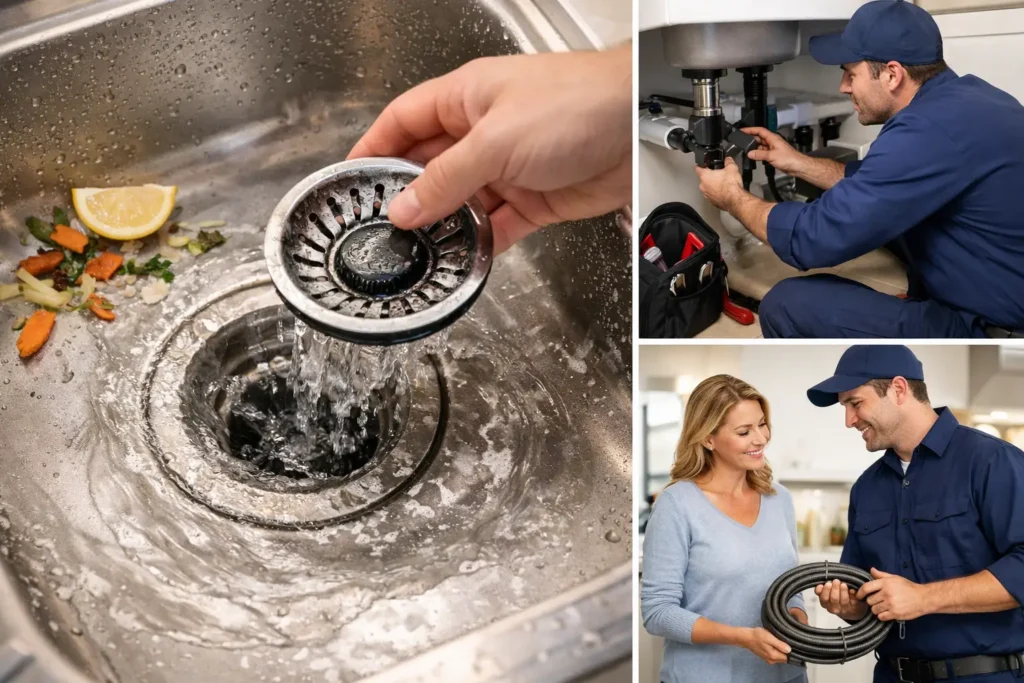
A drain usually gives you a little warning before it turns into a real problem. The sink starts emptying slower. Water pools around your feet in the shower. You hear that familiar gurgling in the kitchen after dinner cleanup. The best ways to prevent drain clogs are usually simple, but they only work if you catch the issue before the line is fully blocked.
For homeowners and property decision-makers in Columbus, that matters. A minor clog is inconvenient. A backed-up kitchen sink or overflowing tub can disrupt the whole day, damage surrounding surfaces, and create a mess that needs immediate attention. Prevention is almost always easier than dealing with a full stoppage.
The best ways to prevent drain clogs start with what goes down the drain
Most clogs are not sudden. They build over time as small amounts of grease, soap residue, hair, food scraps, and paper products collect inside the pipe. Each use adds a little more, and eventually water no longer has enough space to move freely.
That is why the first step is changing what enters the system. In kitchen sinks, grease is one of the biggest problems. It may look harmless when warm, but it cools quickly and sticks to the inner walls of the pipe. Once that sticky layer forms, food particles catch on it and the clog gets larger.
Coffee grounds, eggshells, pasta, rice, and fibrous food waste can also create trouble, even in homes with garbage disposals. A disposal helps break down some material, but it does not make the drain immune to buildup. Scraping plates into the trash before rinsing them is one of the easiest habits that pays off over time.
In bathrooms, hair and soap residue are the usual culprits. Hair wraps around itself and collects near the drain opening or farther down the line. Soap scum adds a coating that helps hold everything in place. Flushable wipes are another common issue. Even when the label says flushable, those products often do not move through plumbing as easily as toilet paper.
Use simple barriers in the spots that clog most often
Drain screens are one of the lowest-effort ways to reduce clog risk. A basic screen in a shower, tub, or bathroom sink catches hair before it slips into the line. In the kitchen, a sink strainer helps keep food scraps from being washed into the drain during cleanup.
The trade-off is that these screens only work if they are emptied regularly. If they are packed with debris, water may drain slowly anyway, and some of that material can still slip through. A quick rinse every few days is usually enough to keep them working.
This is especially helpful in busy households where multiple people use the same bathroom every day. One person may not notice how much hair goes into the drain, but over a week or two, it adds up fast.
Be careful with grease, even if you rinse with hot water
A common misconception is that hot water and dish soap will solve grease problems in the kitchen line. They may move grease a little farther down the pipe, but they do not reliably remove it from the system. Once the water cools, that grease can settle and harden.
A better approach is to let grease cool in a container and throw it away. For greasy pans, wipe them with a paper towel before washing. That one step reduces how much residue enters the drain and helps protect the line over time.
It also helps to avoid sending starch-heavy leftovers down the sink. Potato peels, pasta, and rice can swell and stick inside the pipe. Even if they do not create a full blockage right away, they contribute to the kind of buildup that causes repeated slow drains.
The best ways to prevent drain clogs in bathrooms are mostly about routine
Bathroom drains respond well to simple, regular maintenance. If you wait until the sink is draining at half speed, buildup is already well underway. A better plan is to remove visible hair from tub and shower drains consistently and flush the drain with hot tap water now and then.
This is also where product habits matter. Thick soaps, bath salts, and heavy grooming products can leave residue. That does not mean you have to stop using them, but it does mean the drain may need more frequent attention.
Toilets need a separate set of rules. Toilet paper and human waste should be the only things flushed. Paper towels, wipes, hygiene products, cotton swabs, and similar items can create a blockage quickly or catch in the line and start a larger backup. In multi-person households, clear expectations matter. One bad flush can affect the whole system.
Watch for early signs instead of waiting for a full backup
One of the most effective prevention steps is simply paying attention. Slow drainage, bubbling sounds, foul odors, or water backing up in a nearby fixture are all signs that the line may be narrowing.
For example, if running the bathroom sink causes the tub to gurgle, that can point to a developing issue in a shared drain line. If the kitchen sink smells unpleasant even after cleaning the basin, residue may be sitting deeper in the pipe. These are the moments to act early.
That does not always mean a major repair is needed. Sometimes a professional cleaning is enough to remove buildup before it becomes a complete blockage. Waiting too long usually reduces your options and increases the disruption.
Be cautious with store-bought drain cleaners
Chemical drain cleaners are often marketed as a quick fix, but they come with trade-offs. Some products may partially open a clog, but they do not always remove the full blockage. That can leave residue behind and allow the problem to return.
They can also create added risk when the drain is fully backed up and standing water is present. If stronger service is needed later, harsh chemicals in the line can make the work messier and less safe. For recurring slow drains, it is usually better to identify the cause instead of repeatedly pouring chemicals into the system.
If you want a practical maintenance habit, use prevention tools and removal methods that physically stop debris from entering the line in the first place. That approach is more reliable than reacting after buildup has already formed.
Laundry and utility areas deserve attention too
Drain problems are not limited to kitchens and bathrooms. Laundry areas can develop clogs from lint, detergent residue, and small debris from clothing or utility sink use. Over time, that buildup can restrict flow and create overflow risk during a wash cycle.
If your laundry setup includes a utility sink, avoid rinsing paint, dirt-heavy mop water, or construction debris into it. Those materials can settle in the line and create a stubborn blockage. The same principle applies here as anywhere else – the drain is designed for wastewater, not every kind of cleanup.
Know when prevention is no longer enough
Some drain issues keep coming back no matter how careful the household is. If the same sink clogs repeatedly, multiple drains are slow at once, or odors continue despite regular cleaning, the issue may be deeper in the line.
That can happen because of years of buildup, a partial obstruction farther down, or a larger drain or sewer problem affecting how wastewater leaves the home. At that point, a professional inspection and drain cleaning can save time and reduce the chance of a messy backup.
For Columbus-area property owners, that is often the difference between a manageable service call and an urgent plumbing problem. Transit & Flow works with customers who want clear communication, straightforward recommendations, and approval before work begins, which is especially valuable when a drain issue starts small but has the potential to get worse quickly.
A prevention plan that actually works
If you want the best ways to prevent drain clogs to be effective, keep the plan realistic. Use screens where debris is common. Keep grease, wipes, and food waste out of the system. Pay attention to slow drainage and recurring odors. Address small issues before they turn into backups.
Most drain problems do not need a complicated solution. They need consistent habits and a quick response when the warning signs show up. A few minutes of prevention now can spare you the kind of plumbing problem that interrupts the whole property later.
