
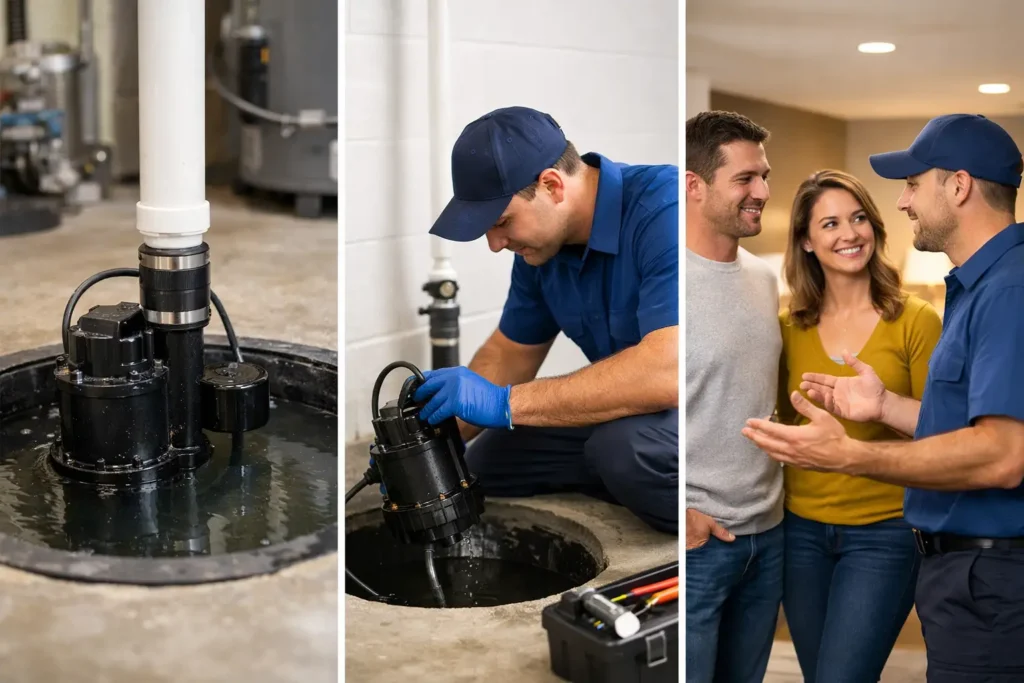
A sump pump usually gets ignored right up until the night you need it most. One hard rain, one fast thaw, or one power issue can turn a quiet basement into a cleanup job. If you are wondering how to maintain home sump pump equipment without overcomplicating it, the goal is simple – keep it clean, test it regularly, and catch small issues before they become water damage.
For most homeowners, sump pump maintenance is less about technical skill and more about consistency. A few basic checks during the year can help you spot clogs, stuck switches, worn parts, or battery backup problems before the next storm rolls through.
Why sump pump maintenance matters
A sump pump is a standby system. It may sit quietly for long stretches, then suddenly need to handle a large amount of water with no warning. That is why neglect causes trouble. When pumps fail, it is often because of issues that built up slowly – debris in the pit, a jammed float, a tripped breaker, a frozen discharge line, or a backup battery that no longer holds a charge.
In Central Ohio, weather shifts matter. Heavy spring rain, summer storms, and winter thaw cycles can all put extra demand on basement drainage systems. If your home has had past water issues, a finished basement, or a lower-level mechanical room, routine maintenance becomes even more valuable.
How to maintain home sump pump step by step
The safest approach is visual inspection and simple testing, not disassembly or risky electrical work. Start by making sure the area around the sump pit is clean and easy to access. If storage boxes, paint cans, or household items are crowding the pump, move them back so nothing interferes with operation.
Next, unplug the pump only if it can be done safely and the outlet is dry. Check the power cord for visible wear and confirm the plug is secure when reconnected. If the unit shares a ground fault outlet or a circuit that trips often, that is worth attention, because power loss is one of the most common reasons a pump does not run when needed.
Then look inside the sump pit. Dirt, gravel, and debris can collect at the bottom over time. The pit should not be packed with sediment or random objects. A dirty basin can affect pump performance and may interfere with the float switch, which tells the pump when to turn on.
A basic water test is the most useful routine check. Pour enough clean water into the pit to raise the float. The pump should start, remove the water, and shut off normally. If it hums without pumping, struggles to discharge, runs continuously, or does not start at all, the system needs attention.
Check the float switch carefully
The float switch is a common failure point because it handles the on-and-off cycle. If it gets trapped against the pump body, tangled with a cord, or blocked by debris, the pump may not activate properly.
During your test, watch the float rise and fall freely. It should move without catching. If your system uses a vertical float rod rather than a tethered float, make sure it is not sticking. This is one of those small details that can make the difference between a dry basement and a major problem.
Don’t ignore the discharge line
Even if the pump itself is in good shape, the discharge line has to carry water away from the house. Check the visible piping for leaks, loose connections, or signs of blockage. Outside, make sure water can exit freely and drain away from the foundation.
This is especially important in winter. A frozen or obstructed discharge line can cause water to back up into the pit, forcing the pump to work harder or fail to move water at all. If you notice slow discharge during a test or hear unusual strain from the pump, the line may be part of the problem.
Battery backup needs its own maintenance
If your sump pump system includes a battery backup, do not assume it is ready just because it is installed. Backup systems need periodic testing and battery checks. Storm-related outages are exactly when many homeowners discover the backup battery is weak, expired, or disconnected.
Look for warning lights, alarm signals, or manufacturer indicators that suggest charging or battery issues. Some backup batteries last several years, but lifespan depends on the model, usage, and storage conditions. If you are not sure how old the battery is, that uncertainty alone is a good reason to have it evaluated.
How often should you maintain a sump pump?
A good rule is to inspect and test your sump pump at least every three to four months, with extra attention before the wettest parts of the year. For many homes, that means a check in early spring, another in summer, one in fall, and one before winter freeze conditions set in.
It depends on how heavily your system is used. If your pump runs often, your home has a high water table, or your basement has flooded before, more frequent checks make sense. Homes with older pumps also benefit from a closer watch.
Signs your sump pump may need service
Some warning signs are obvious, and others are easier to miss. If the pump makes grinding, rattling, or humming noises, cycles on and off too often, or seems to run continuously, something is not right. Visible rust, vibration, musty odors near standing water, or repeated moisture around the pit are also signs to take seriously.
Age matters too. Many sump pumps do not fail all at once. They become less reliable over time. If your unit is older and already showing inconsistent performance, repair may not be the most practical long-term choice. A professional inspection can help you weigh whether maintenance, repair, or replacement makes more sense for your setup.
What homeowners should not try themselves
There is a difference between routine observation and repair work. Testing the pump with water and checking for visible issues is reasonable. Opening electrical components, modifying discharge piping, replacing internal parts without proper guidance, or working around standing water and live power is not.
That line matters because sump pump problems often show up during bad weather, when homeowners are stressed and trying to act quickly. If the pump is not responding, the pit is overflowing, or the system has a power issue, it is safer to bring in a plumbing professional who can diagnose the problem clearly and recommend the next step.
When professional maintenance is worth it
Professional sump pump service is especially useful if you are not sure whether the system is sized properly, if the pump has failed before, or if your basement has signs of recurring moisture. A technician can inspect the pump, switch, check valve, discharge line, basin condition, and backup setup as a complete system rather than treating each symptom separately.
That matters because sometimes the pump is not the only issue. Drainage conditions, clogs, aging components, or poor discharge routing can all affect performance. A clear service visit can save time and help you avoid guessing.
For homeowners in Columbus and surrounding communities, this is often most relevant before storm season or after any event where the pump ran heavily. Transit & Flow approaches these calls the same way it handles other home plumbing concerns – with clear communication, practical recommendations, and customer approval before any work begins.
A simple maintenance routine that works
If you want a realistic plan, keep it straightforward. Check the pit for debris, test the pump with water, confirm the float moves freely, inspect the discharge line, and verify backup power status. Put a reminder on your calendar instead of waiting for the next heavy rain.
You do not need an elaborate checklist to protect your home. You just need regular attention and a willingness to act when something looks off. Sump pumps are easy to forget because they stay out of sight, but that is exactly why a little preventive care goes a long way.
The best time to think about your sump pump is when your basement is dry, the weather is calm, and you still have options.
