
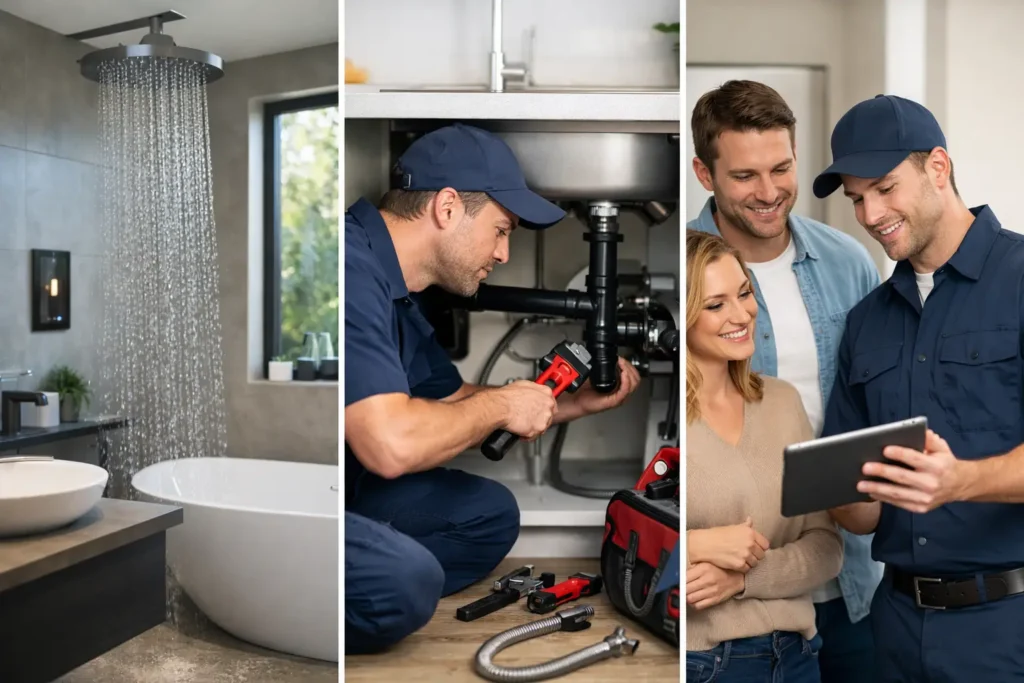
A plumbing problem rarely announces itself at a convenient time. A water heater starts delivering lukewarm showers, a drain slows down before a family visit, or a sump pump becomes a concern when heavy rain is in the forecast. The most useful home plumbing trends 2026 are not about chasing gadgets. They are about spotting risks earlier, making water use more practical, and choosing upgrades that make day-to-day life easier.
For Columbus-area homeowners, that matters. Seasonal temperature swings, hard water concerns, aging homes, and heavy rain can all put pressure on a plumbing system. The right improvement depends on your home’s age, water use, existing equipment, and the condition found during an inspection.
Home Plumbing Trends 2026: Prevention Takes the Lead
The biggest shift is toward preventing water damage rather than reacting after it has already spread. Homeowners are paying closer attention to the small warning signs that used to get put off: a toilet that occasionally runs, staining beneath a sink, a water bill that rises without explanation, or a sump pump that has not been tested in years.
That does not mean every home needs a full plumbing overhaul. Often, a targeted repair or maintenance visit can address the immediate concern. But it does mean more homeowners are choosing to understand the condition of their plumbing before an emergency forces a quick decision.
Smart leak detection is becoming more practical
Water sensors and automatic shutoff devices are moving from specialty upgrades to realistic options for homeowners who want more visibility. A basic sensor can alert you when it detects water near a water heater, washing machine, sump pit, or under-sink connection. More advanced systems monitor water flow and can identify unusual usage patterns, such as a hidden leak that is running overnight.
An automatic shutoff valve can add another layer of protection by stopping the home’s water supply when a major leak is detected. This can be especially useful for homeowners who travel often, own older homes, or have finished basements where water damage can become expensive quickly.
There are trade-offs. These systems need reliable setup, a compatible plumbing layout, and occasional attention to batteries, apps, or connectivity. They are not a substitute for repairing worn supply lines, failing valves, or active leaks. Think of them as an early-warning tool and a way to reduce damage when a failure happens unexpectedly.
Plumbing inspections are becoming part of home planning
A plumbing inspection is no longer only something people consider before buying a home. Homeowners are scheduling diagnostics when they notice repeat clogs, inconsistent water pressure, recurring drain odors, or unexplained damp spots.
This approach is particularly useful in older Columbus neighborhoods, where original or aging drain lines, shutoff valves, and water supply connections may still be in service. A clear diagnosis helps separate a minor repair from a larger issue that should be planned and budgeted for. It also gives the homeowner a chance to approve work with a full understanding of the recommendation.
Water Quality Moves Beyond Drinking Water
Filtered drinking water remains a priority, but water quality conversations now extend to showers, laundry, fixtures, and appliance life. Hard water minerals can leave spots on glass, create buildup on faucets, and contribute to scale inside water-using appliances. The best solution is not the same for every household.
A point-of-use filter at a kitchen sink may be enough for a homeowner focused on drinking and cooking water. A whole-home filtration or conditioning system may make more sense when mineral buildup is a consistent issue throughout the house. Water testing and an assessment of the home’s goals should come before choosing equipment. A system that is too limited may not solve the concern, while one that is too extensive can add unnecessary cost and maintenance.
Water treatment equipment also needs service over time. Filters require replacement, and some systems need periodic checks to keep performing as expected. That ongoing responsibility should be part of the decision, not an afterthought.
Efficient Fixtures Without Sacrificing Performance
Efficiency is still a major part of home plumbing trends in 2026, but homeowners are less interested in saving water if it means weak showers or toilets that need multiple flushes. Modern fixtures are increasingly designed to balance conservation with reliable performance.
High-efficiency toilets, updated showerheads, and touchless or touch-activated faucets can reduce water use and improve convenience. Touchless faucets are especially appealing in busy kitchens and bathrooms, where cleaner hands-free operation can be useful. However, electronic fixtures may need batteries or power and can require specialized parts when service is needed.
Replacing a fixture is also a chance to address what is behind it. A new toilet will not solve a recurring sewer-line issue, and a new faucet cannot correct deteriorated shutoff valves or low pressure elsewhere in the home. Before choosing a style or finish, it is worth confirming that the connections, valves, and drainage are in good condition.
Water Heater Choices Get More Intentional
Water heater replacement decisions are becoming more individualized. The question is no longer simply whether to install the same size tank that was there before. Homeowners are looking at recovery time, household routines, fuel type, installation space, and expected long-term maintenance.
A traditional tank water heater remains a practical choice for many homes. It is familiar, generally straightforward to service, and can be a good fit when the existing setup supports it. Tankless water heaters appeal to households that want hot water on demand and potentially more usable space. However, a tankless installation may require changes to venting, gas capacity, electrical service, or water treatment. It is not automatically the right upgrade for every home.
Heat pump water heaters are also gaining attention for their efficiency. They can be a strong option in the right location, but they need adequate space and work best when site conditions support their operation. They may also affect the temperature and humidity of the room where they are installed.
If a water heater is nearing the end of its service life, planning a replacement before a failure gives you more choices. If it has already failed, a prompt diagnostic can clarify whether repair is appropriate or replacement is the better path. Final pricing and recommendations should always follow an on-site evaluation and customer approval.
Backup Protection Is a Basement Priority
In Central Ohio, sump pump reliability is not a minor detail. A working sump pump helps manage groundwater around a home’s foundation, but it depends on power, a clear discharge path, and a pump that is in operating condition.
More homeowners are adding battery backup systems, alarms, and secondary pumps to reduce risk during storms or power outages. A battery backup can provide valuable protection, but runtime varies based on battery condition, pump demand, and the amount of water entering the pit. It should be tested and maintained rather than assumed ready.
Discharge lines deserve attention, too. A frozen, blocked, or poorly directed discharge can prevent the system from moving water away effectively. A professional sump pump check can evaluate the pump, float switch, check valve, pit condition, and discharge setup so problems are addressed before the next heavy storm.
Drain and Sewer Care Becomes Less Reactive
Homeowners are also taking a more planned approach to drain and sewer service. Repeated clogs in the same fixture, multiple slow drains, gurgling sounds, or sewage odors are reasons to schedule an evaluation rather than relying on temporary fixes.
Drain cleaning can clear buildup and restore flow, but recurring trouble may point to a larger concern such as roots, a damaged pipe, a belly in the line, or an aging sewer connection. Camera inspection can help identify the actual condition of the line and guide the next step. That keeps the recommendation tied to evidence instead of guesswork.
Avoid treating drains as a disposal system for grease, wipes, or other materials that do not break down properly. Even products labeled as flushable can contribute to blockages under the wrong conditions. Simple household habits, paired with timely service when warning signs appear, can prevent a small drain issue from becoming a disruptive backup.
Choose Upgrades Around the Problems You Actually Have
The strongest plumbing trend for 2026 is practical decision-making. A smart shutoff system is valuable when leak risk is a concern. Water treatment can be worthwhile when testing and daily experience show a real issue. A new water heater should match the household’s demand and the home’s installation conditions. There is no single upgrade that belongs in every house.
Start with the concern you can see or hear, then get a clear explanation of the options. Ask what is urgent, what can be planned, what maintenance the solution will need, and what conditions could affect the final scope of work. For homeowners in Columbus and surrounding communities, Transit & Flow can help make that process straightforward with clear communication, up-front options, and service recommendations based on the home in front of you.
A well-maintained plumbing system is not flashy, but it gives you something far more useful: fewer surprises when your home needs to keep moving.
