
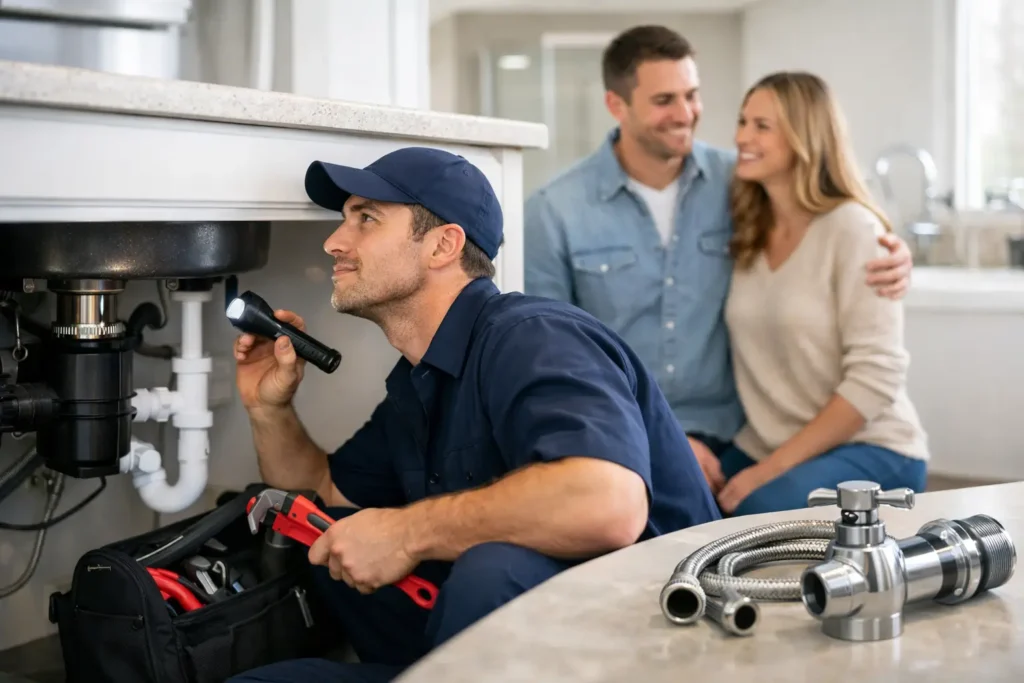
That polished kitchen faucet and freshly painted basement ceiling can hide expensive plumbing problems. A plumbing inspection for home purchase gives buyers a clearer picture of what is actually happening behind walls, under floors, and out to the sewer line before a deal becomes your responsibility.
For many buyers in Columbus and surrounding areas, the general home inspection is where the process starts. That inspection is valuable, but it is not always detailed enough to catch plumbing issues that turn into major costs after closing. If the home is older, has had additions or remodeling, has a finished basement, or shows any sign of drainage problems, a focused plumbing review is often money well spent.
Why a plumbing inspection for home purchase matters
Plumbing problems do not always show up as active leaks. Sometimes the warning signs are subtle – slow drains, low water pressure, stains near shutoffs, patched drywall, a sump pump that looks overdue for replacement, or a water heater near the end of its service life.
A home can look clean and still have trouble in the drain, waste, and vent system. Tree root intrusion, offset sewer joints, failing shutoff valves, hidden corrosion, and aging water lines are not cosmetic issues. They affect daily use, future repair costs, and in some cases whether you want to move forward with the purchase at all.
Buyers also need clarity at a time when a lot of decisions are moving quickly. If a plumbing concern is found before closing, you have more options. You can request repairs, ask for concessions, adjust your budget, or decide that the risk is not worth it. After closing, that leverage is gone.
What a plumber looks for during a home purchase inspection
A focused plumbing inspection usually starts with the visible fixtures and supply lines inside the home. Sinks, toilets, tubs, showers, shutoff valves, exposed piping, and water connections are checked for leaks, corrosion, improper installation, and signs of previous repair.
Water pressure and drainage performance matter too. A fixture that drains slowly may seem minor, but when multiple fixtures show the same behavior, it can point to a larger drain or vent issue. Toilets that rock, faucets with poor flow, and stains around caulk lines can suggest hidden wear or water damage.
The water heater deserves close attention. Age, condition, venting setup where applicable, tank corrosion, and signs of leakage all matter. Buyers should know whether the unit appears serviceable, near replacement, or in need of immediate attention.
If the property has a sump pump, that system should not be ignored, especially in Central Ohio where basement moisture concerns are common. A failing sump pump may not show itself on a dry day, but it can become a serious issue during heavy rain.
Outside the home, hose bibs, exterior drainage patterns, and exposed plumbing components may also offer useful clues. And for properties with any sign of recurring backups or slow drainage, a sewer camera inspection can be one of the most important add-ons in the entire due diligence process.
The sewer line is where expensive surprises happen
If there is one part of a plumbing inspection for home purchase that buyers underestimate, it is the sewer line. A general home inspector may note slow drains or recommend further evaluation, but a camera inspection shows what is actually going on inside the line.
That matters because sewer repairs are rarely small, cheap, or convenient. Root intrusion, cracking, separated joints, heavy buildup, and bellied sections can all exist long before a complete backup happens. Older homes in Columbus neighborhoods are especially worth a closer look because original piping materials may already be at or beyond their expected service life.
Not every sewer issue means you should walk away from a home. Sometimes it means you negotiate. Sometimes it means you plan ahead. The key is knowing the condition before the transaction is final.
When buyers should go beyond the standard home inspection
Not every home needs the same level of plumbing review. A newer home with no warning signs may not need much more than confirmation that the visible systems are performing properly. But there are situations where bringing in a plumbing professional makes strong sense.
Older homes are high on that list, especially properties with galvanized piping, cast iron drains, or signs of multiple remodels over the years. Homes that have been vacant can also hide plumbing trouble. A system that has not been used regularly may have weak seals, stuck valves, unnoticed leaks, or drain problems that only become obvious once normal usage resumes.
You should also consider a closer inspection if the seller disclosure mentions previous water damage, backups, pipe repairs, or sump pump issues. The same goes for homes with low water pressure, stained ceilings, musty smells near bathrooms, or fresh paint in suspiciously specific spots.
For multi-unit properties, condos, and small commercial buildings, the value of a dedicated plumbing inspection usually goes up. More fixtures, more piping, and more usage mean more potential points of failure. Property managers and investors need a realistic view of near-term repair exposure, not just a quick pass-through.
What a plumbing inspection can and cannot tell you
A good inspection gives you useful information, but it is not a prediction of every future problem. Plumbing systems can pass inspection and still develop leaks later. Components can fail without much warning. Access limitations can also affect what can be seen at the time of service.
That said, a professional inspection can identify current defects, maintenance concerns, aging equipment, and performance issues that deserve attention now. It can also help separate cosmetic worries from actual plumbing risk.
This is where clear communication matters. Buyers do not just need a list of problems. They need to understand which issues are urgent, which are manageable, and which are common for the age and type of property. That context helps you make a sound decision instead of reacting to every note as a deal breaker.
How inspection findings affect negotiations
Plumbing findings do not always lead to the same outcome. It depends on the condition, the age of the home, the local market, and how the seller responds.
If the inspection finds an active leak, damaged drain line, failing water heater, or sewer defect, those are typically worth addressing before closing in some form. In a slower market, buyers may have more room to request repair credits or seller action. In a competitive market, buyers may choose to accept some issues and budget for repairs after move-in.
The practical question is not whether a home is perfect. Very few are. The question is whether you understand the condition well enough to price the risk correctly. Hidden plumbing issues become frustrating when they are surprises. Known issues are easier to plan around.
Choosing the right plumbing company for a pre-purchase inspection
When timing is tight, buyers need a company that communicates clearly and can explain findings in plain language. The inspection itself matters, but so does the way the information is delivered. You should come away knowing what was found, what may need follow-up, and what the next steps are if repairs are needed.
This is especially important if you are coordinating with an agent, seller, or property manager on a deadline. A service company that is organized, responsive, and straightforward can make the process much easier. In the Columbus area, Transit & Flow often works with customers who need that kind of practical guidance without added confusion or pressure.
It also helps to ask whether sewer camera service, water heater evaluation, sump pump review, or other targeted checks can be added based on the property. Not every home needs every service, but the right scope matters more than the cheapest or fastest appointment.
A smart inspection is really about decision-making
Buying a home already comes with enough uncertainty. Plumbing should not be one of the blind spots. A focused inspection helps you understand how the home functions day to day, what could require near-term repair, and whether there are bigger issues hiding below the surface.
If the home checks out well, that peace of mind has real value. If problems are found, you still gain something important – the chance to make a clear decision before the keys are in your hand.
